
WAMPSVILLE, New York — A Madison County resident has tested positive for Powassan virus, the county health department announced.
The person, an adult male, tested positive on Monday. The Health Ministry said the tick-borne illness is rare, but can cause severe illness and be fatal.
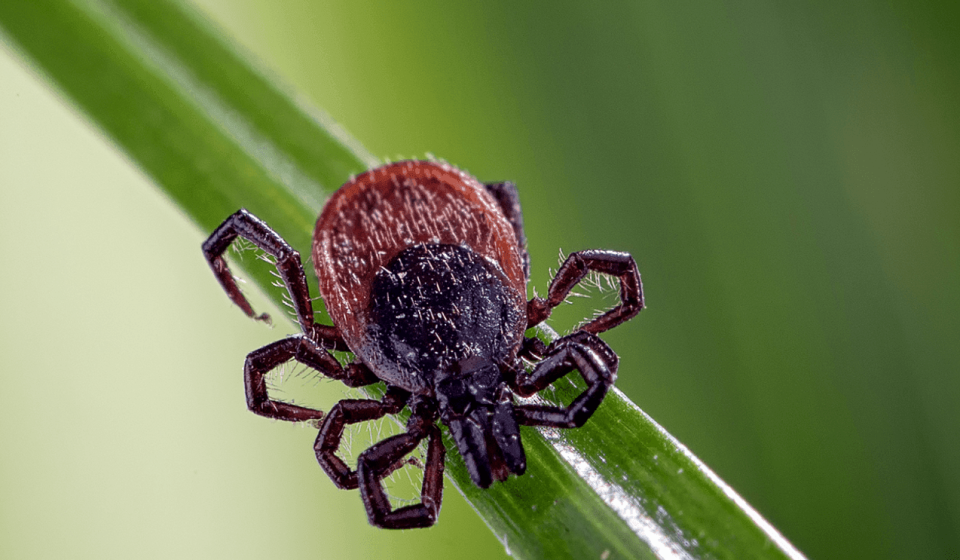
The virus is spread through the bite of an infected tick. Mainly, a blacklegged (deer) tick.
The department said the disease can spread from the tick to a person within 15 minutes, making tick removal crucial.
There are no vaccines or medications to prevent or treat Powassan.
The following is a guide from the Madison County Health Department:
Symptoms:
Many people with Powassan virus have no symptoms. However, for those who do, Powassan virus symptoms typically begin 1 to 4 weeks after an infected tick bite.
Early symptoms include:
- Fever
- Headache
- Vomiting
- Generalized weakness
Powassan virus can cause serious illness, including swelling of the brain (encephalitis) or swelling of the tissues around the brain and spinal cord (meningitis).
Symptoms of serious illness include:
- Confusion
- Loss of coordination
- Difficulty speaking
- Seizures
Prevention:
The best way to protect yourself from Powassan and other tick-borne illnesses is to prevent tick bites.
- Wear long sleeves and long pants tucked into knee-high socks when outdoors.
- Consider treating outdoor clothing and equipment with products containing 0.5% Permethrin.
- Use an EPA-registered insect repellent with DEET, picaridin, or lemon eucalyptus oil. Find the repellent that’s right for you.
- Avoid brushy, grassy, and wooded areas where ticks are often found. Stay in the center of the trails.
- After coming indoors, put your clothes in the dryer on high heat.
- Check yourself, your children, and your pets for ticks after being outside.
- Take a shower soon after coming indoors.
If you find a tick, remove it as soon as possible using fine tweezers. Watch a video on proper tick removal.
“Although it is cooler outside, ticks remain a threat any time temperatures rise above freezing (32F),” says Eric Faisst, Madison County Public Health Director. “It is important that residents continue to protect themselves from tick bites and tick-borne illnesses. »
If you think you or a member of your family may have Powassan, contact your healthcare professional. Be sure to tell them about any known tick bites and bring the tick with you, if possible.
Learn more about ticks and preventing tick-borne illnesses by visiting the Madison County Public Health website.
The Health Ministry said the infected person was recovering at home.
Gn Health