Major success sees virus infections drop 68% in Brazil after release of Wolbachia-infected mosquitoes

A major success in combating mosquito-borne viruses at a population level now comes from Brazil, where schoolchildren enjoy a 68% lower risk of contracting such diseases.
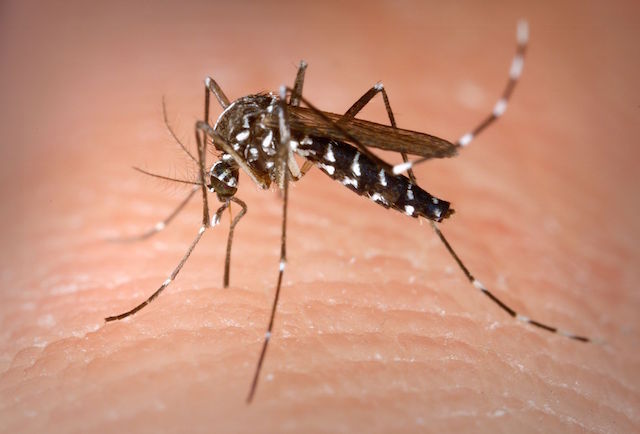
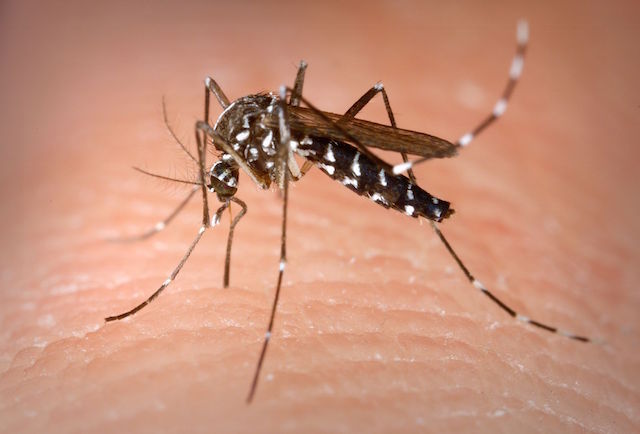
The trial tested the widely proven method of releasing mosquitoes infected with Wolbachia bacteria, which inhibits the insect’s ability to spread viruses like dengue, Zika and chikungunya.
Tested for 4 years in Belo Horizonte, the success coincided with the largest dengue outbreak ever recorded in Brazil, demonstrating the urgent need for greater mosquito control in the tropics.
“The intervention significantly reduced dengue infections during the largest outbreak recorded in Brazil, demonstrating its potential to protect communities even under conditions of intense transmission,” says Derek Cummings, PhD, co-principal investigator of the trial and Bloomberg Distinguished Professor at Johns Hopkins University, one of the participating institutions.
Called the EVITA dengue trial, the international team set out to test a locally adapted version of the wMel strain of Wolbachia for use in inhibiting viral transmission of Aedes aegypti mosquitoes.
wMel is the most commonly used strain of Wolbachia, with the “Mel” referring to the fruit fly species from which Wolbachia was first isolated. Mosquitoes infected with wMel transmit the bacteria to their offspring, thereby inhibiting transmission of the disease on a generational scale.
EVITA included 58 school-defined geographic clusters in Belo Horizonte, with 29 clusters assigned to receiving wMel mosquito releases in addition to standard vector control measures, and 29 clusters assigned to only standard vector control, such as insecticide sprays and mosquito source reduction.
The randomized controlled trial released Wolbachia-infected mosquitoes from January 2021 to May 2022. It involved 5,757 schoolchildren, aged 6 to 11 years. The findings were presented Saturday at the annual meeting of the American Society of Tropical Medicine & Hygiene in National Harbor, Maryland.
BRAZILIAN SCIENCE: Scientists Make Super-Honey Using Waste Cocoa Beans for a Chocolatey, Heart-Healthy Shake
Reductions of 68.5% were observed for dengue incidence and 73.3% for chikungunya. Regarding Zike, however, too few cases have been recorded to properly assess the trial’s effectiveness.
“We are pleased to have developed this locally adapted strain from Belo Horizonte for the EVITA dengue trial and to have achieved sustained establishment of Wolbachia-infected mosquitoes for over 3 years,” says Luciano Moreira, PhD, of Fiocruz and the Global Mosquito Program in Brazil.
The results reinforce existing evidence that the Wolbachia method could potentially become the first-line measure to reduce dengue and other mosquito-borne diseases worldwide.
MORE ON THIS TOPIC: Infecting mosquitoes with natural bacteria reduced dengue risk by 70% in city-wide experiment
Several strains of Wolbachia have been tested worldwide, but only two have been tested at the population level: wMel and wAlbB. Interestingly, another city-wide trial to combat dengue with Wolbachia-infected mosquitoes – across the Pacific, in Singapore – saw an almost identical rate of reduction in cases.
The Johns Hopkins researchers were joined in the EVITA trial by others from the Universidade Federal de Minas Gerais (UFMG), the World Mosquito Program (WMP), Fiocruz and the Faculdade de Medicina de São José do Rio Preto (FAMERP), Emory University, Yale University, and the University of Florida.
Give your friends a glimpse of this story by sharing it on social media…
Gn Health