
Following the dengue outbreak in Florida, which health officials describe as the largest outbreak in the continental United States in decades, dengue cases have increased in a number of U.S. states in recent days, according to the latest data from the Centers for Disease Control and Prevention (CDC).
Data shows the number of reported cases increased in at least 15 states, with Florida accounting for the largest share of the increase.
Florida outbreak continues to grow
The nationwide rise in cases comes as Florida faces an ongoing dengue outbreak that has drawn the attention of public health officials.
Florida has recorded hundreds of dengue infections this year, including a significant number of locally acquired cases, meaning people were infected in the state rather than during overseas travel.
The outbreak was concentrated in the Tampa Bay area and prompted emergency declarations in several counties.
What is dengue?
Dengue is a viral disease transmitted by infected mosquitoes.
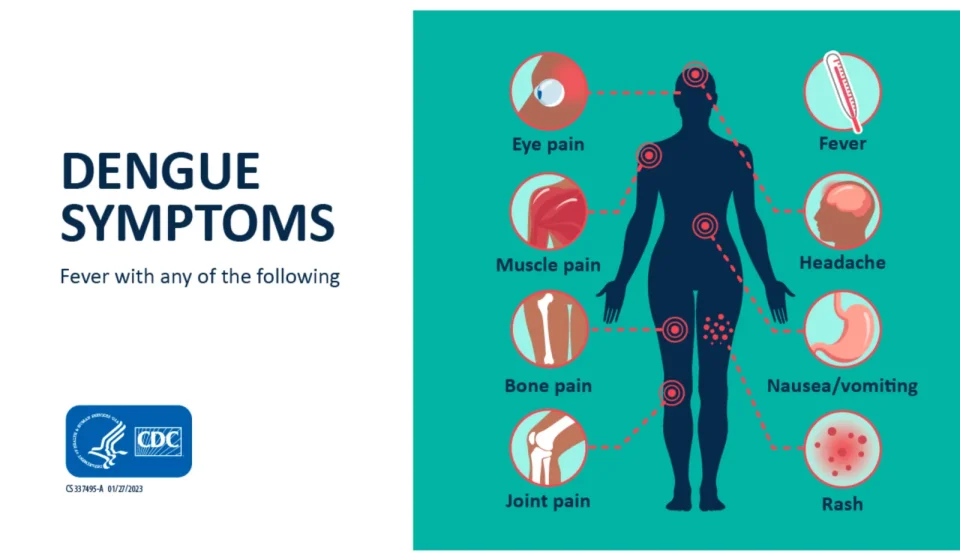
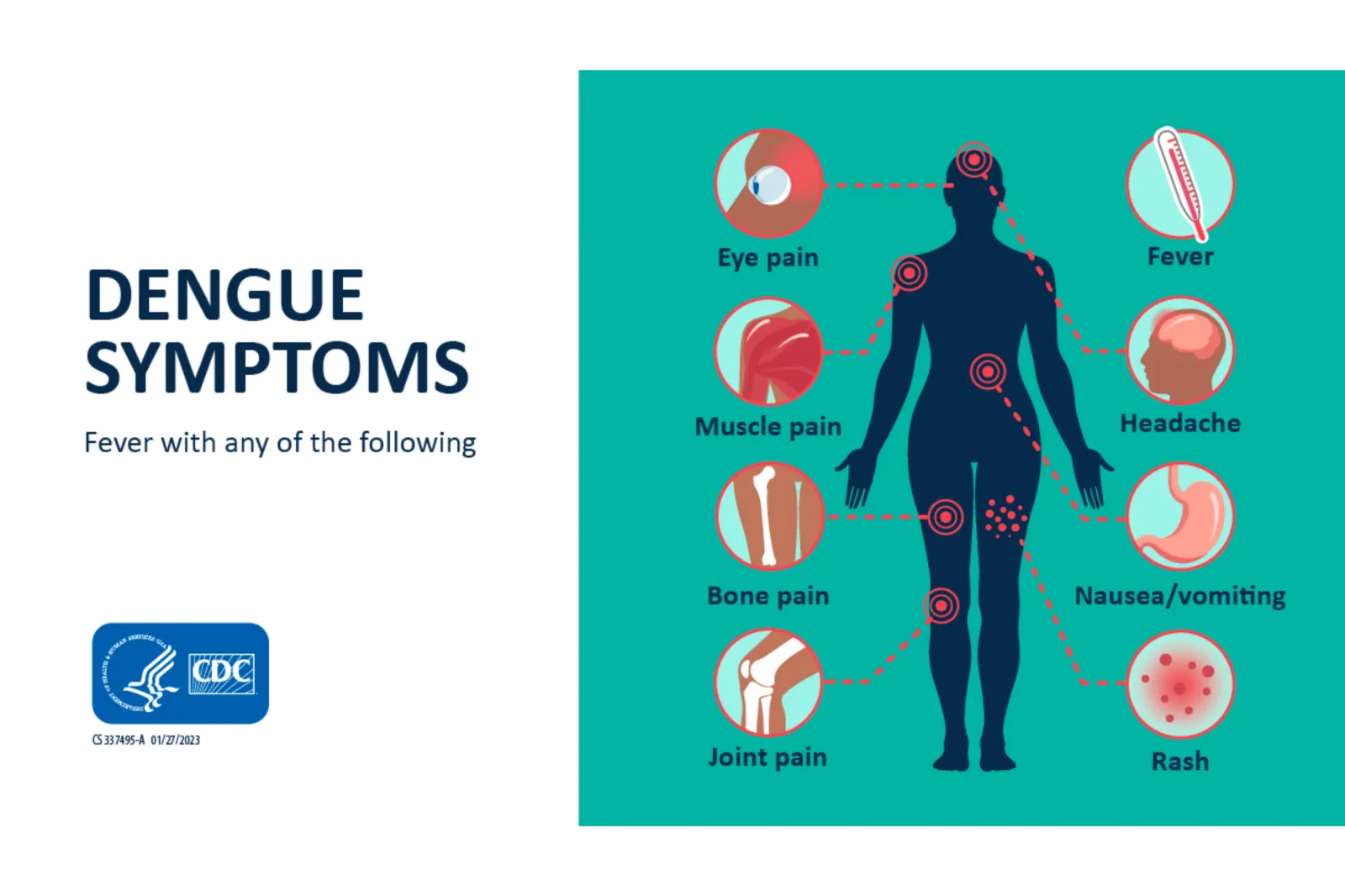
According to the CDC, symptoms may include fever, headache, pain behind the eyes, nausea, vomiting, rash, muscle aches, and joint pain. Most infections are mild and many people do not develop any symptoms.
However, some patients can develop severe dengue fever, a life-threatening illness that can cause shock, severe bleeding and organ failure.
Why are cases increasing?
Public health experts have linked increased dengue activity in the United States to several factors, including international travel and the presence of Aedes mosquitoes, which can transmit the virus.
Dengue is common in many tropical and subtropical regions. When travelers return to the United States while infected, local mosquito populations can sometimes transmit the virus to other people.
CDC data shows increase in several states
The latest data from the CDC shows that the number of reported cases has increased since the agency’s previous update.
Florida saw by far the largest increase, with cases increasing from 392 to 485, an increase of 93 cases.
California had the second largest increase, going from 31 to 45 cases, an increase of 14.
Other states showing increases were:
- New York: 27 to 31 (+4)
- Texas: 14 to 17 (+3)
- New Jersey: 16 to 19 (+3)
- Illinois: 10 to 13 (+3)
- Washington: 16 to 18 (+2)
- Maryland: 11 to 12 (+1)
- Connecticut: 6 to 7 (+1)
- Massachusetts: 10 to 11 (+1)
- Kentucky: 4 to 5 (+1)
- Indiana: 2 to 3 (+1)
- Nebraska: 2 to 3 (+1)
- Colorado: 10 to 11 (+1)
- West Virginia: 0 to 1 (+1)
Overall, states listed in the CDC updates saw an increase of 130 cases between reporting periods.
What happens next?
Health officials continue to urge residents to reduce their exposure to mosquitoes by using EPA-registered insect repellents, wearing long sleeves and eliminating standing water around homes where mosquitoes can breed.
The latest data from the CDC suggests that dengue activity remains high in Florida and continues to increase in a number of other states.
While most cases in the United States are associated with travel, the Florida outbreak demonstrated how quickly local transmission can develop when the virus is introduced to areas where dengue-carrying mosquitoes are present.
News week has contacted the CDC by email for comment and is awaiting a response.
Newsweek reporters and editors used Martyn, our AI assistant, to produce this story. Learn more about Martyn here.
Contact Newsweek editors on this story: Tobias Meyjes and Cristina Diciu.
Gn Health