
Nearly 50 people have died from the flu in the United States in recent days as cases rise across the country.


Want to bookmark your favorite articles and stories to read or view later? Start your independent membership today.
Join us today
Already a member? Log in
Nearly 50 people died from the flu last week as cases rise and experts warn this year’s illness season has started early.
In Connecticut, six people have died from the flu since late September, state health officials announced this week. The unidentified individuals were all over the age of 55, the state health department reported.
“These deaths remind us that the flu can be serious, especially for older adults, and that respiratory virus season is already here,” state Health Commissioner Dr. Manisha Juthani said in a statement.
The state’s first flu death, which occurred in September, occurred a month earlier than the 2025 flu season. This trend matches a national trend.
Flu levels – with around 5,600 cases this season – increased more than two months earlier than usual. Peak flu season typically occurs from December to February. So far, 47 flu-related deaths have been confirmed across the country in the past week, but many more are expected.

The flu causes between 9.4 million and 51 million illnesses per year and about 6,300 to 52,000 deaths, according to the Centers for Disease Control and Prevention.
Although the CDC does not yet report childhood flu deaths on its tracker, two such deaths have been reported in San Diego and one in Colorado, where the University of California reports the number of positive tests is six times higher than the same time last year.
Federal data shows that a single strain of flu makes up the majority of cases. The H1N1 virus, which caused the 2009 swine flu pandemic, accounted for the majority of cases reported over the past week for data ending October 10.
This year’s flu vaccine targets the H1N1 virus, as well as the B/Victoria virus and subclade K, a variant of the H3N2 flu that also spread last year.
Most seasonal flu cases are influenza A, including H3N2 and H1N1, and early evidence suggests this year’s vaccine is a good match against the H3N2 variant, Scott Hensley, a microbiology professor at the University of Pennsylvania, told NBC News earlier this month.
Even though the H1N1 variant has new mutations allowing it to evade established protection in communities, “the data suggests that this year’s flu vaccine can recognize this variant, so the immune evasion is only partial, or rather incomplete,” Andrew Pekosz, professor at the Johns Hopkins Bloomberg School of Public Health, explained Thursday.
“At this time, there is no reason for concern, but this should be considered a good last call to get your flu shot this year, as vaccines work best when taken before the flu season begins,” he said.
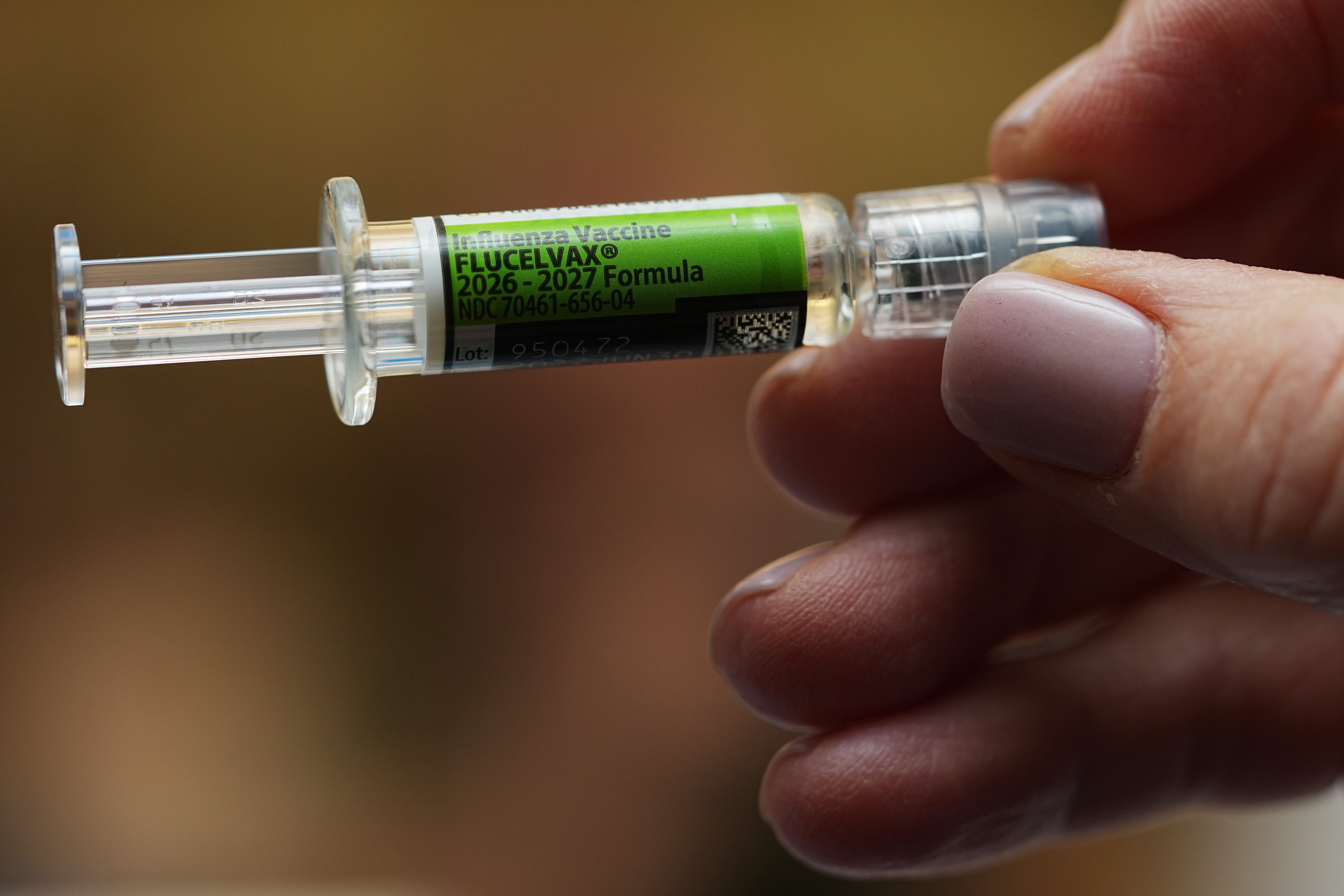
Although the protection is not perfect, the vaccine still helps prevent serious illness and death.
But there is a lag between when you get the vaccine and how effective it is. So the sooner people get vaccinated, the better — especially before the holidays and colder temperatures create a higher risk of spread indoors.
“It takes about two weeks for the body to build up protection, and getting vaccinated now will help provide protection for the holiday season, when people gather indoors,” Juthani said.
Although flu season usually begins in September or October and lasts until April or May, it’s never too late to get a flu vaccine.
Gn Health