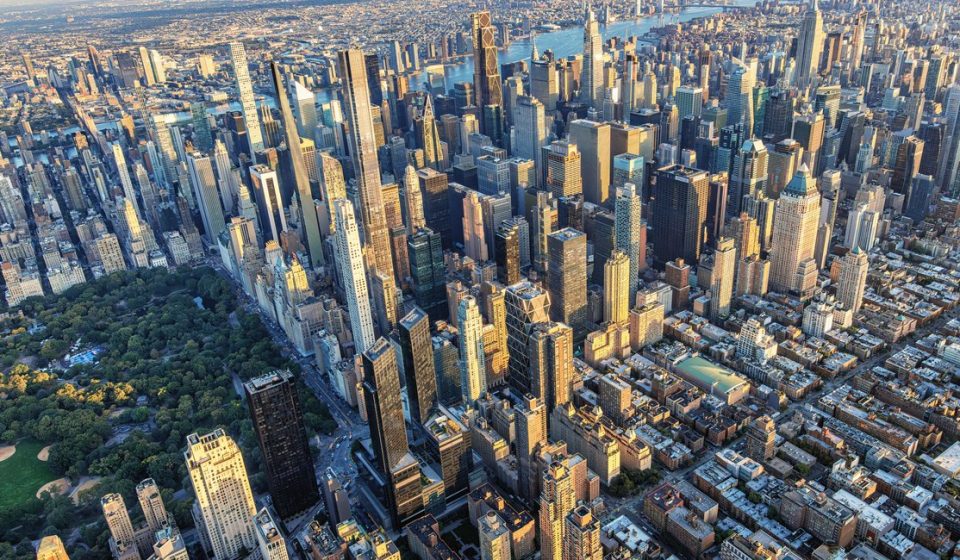

New York City has won a legal battle over its new tax on luxury vacation homes, clearing an obstacle to Mayor Zohran Mamdani’s plan to raise hundreds of millions of dollars in new tax revenue.
On Wednesday, a state appeals court overturned a lower court’s ruling that gave homeowners temporary relief from the new surcharge and dismissed their lawsuit challenging the tax.
The new pied-à-terre tax aims to increase revenue from certain high-value real estate used as second homes. Although Mamdani said the tax would help fulfill his election promise to tax the rich, its implementation has faced significant political and legal obstacles.
The tax has been the subject of three separate legal challenges, including allegations that the city’s rollout would cause “massive confusion” for property owners and that the surcharge would unfairly discriminate against wealthy residents.
In September, a Staten Island judge ordered the city to redo the notices it had mailed to property owners who might be subject to the surcharge.
Wednesday’s ruling marked a victory for the Mamdani administration against a lawsuit filed by property owners who claimed the new pied-à-terre tax had not been properly implemented.
The appeals court found that the owners lacked standing to sue because they had not demonstrated that they suffered concrete harm as a result of the city’s actions. The judges said receiving a tax notice or appearing on a public list of properties potentially subject to the surcharge was not enough to establish such harm.
The court did not determine whether the city followed all procedures correctly, and the ruling does not resolve various legal challenges to the tax.
In a statement Wednesday, Mamdani celebrated the ruling, saying the appeals court had rejected an attempt by wealthy landowners to avoid paying their fair share.
“The pied-à-terre surcharge asks those who can afford luxury second homes to contribute to safer streets, cleaner parks and essential public services that every New Yorker deserves,” Mamdani said.
He added that the city would continue to defend the tax against ongoing legal challenges.
But Mamdani’s claim that the tax would raise $500 million a year remains in question. The city’s Department of Finance has already granted more than 8,800 waiver requests.
Earlier this year, City Comptroller Mark Levine estimated the tax could generate as much as $380 million from about 11,200 properties.
David Brand contributed reporting.
This story has been updated with new information.
Gn usa