
Men’s testosterone declines by 1% per year starting at age 30, and the symptoms that accompany this decline should not be ignored.
Just ask NFL Hall of Famer Calvin Johnson, who retired from football at age 30 and felt the effects of low testosterone levels years later.
“I started experiencing symptoms of low testosterone in my late 30s. Let’s say at 38, I started noticing low energy, maybe a little brain fog here and there,” Johnson, aka “Megatron,” told The Post at the Tune Up event in New York for Hims on Oct. 21.
As he reaches forty with three children, fatigue becomes undeniable.
“I would start to notice different times of the day, mostly mid-afternoon or in the evening around dinner time, where I would just think, ‘I could literally fall asleep,'” he recalls. “It’s not normal for me. I didn’t know if it was because of my exercise routine, I wasn’t doing as much work as when I was playing, or just because of the stress of work, kids, family… I don’t know.”
Testosterone deficiency occurs in 10 to 40 percent of adult men, according to the Yale School of Medicine. Johnson, who is part of that statistic, started acting out when his energy level really became a problem.
“I like to know my scorecard. I like to know where I’m at. I’ve done other tests in the past just to see where my health is, because I have cancer in my family, just to be proactive,” he explained. “It’s just another area to be proactive in.”
Johnson has ordered the Hims Men’s Core Panel to check his testosterone levels, and he can’t wait to receive the results.

The popular telehealth company offers at-home and in-person screenings that measure total and free testosterone, as well as other measures like cholesterol and vitamin D. In total, 22 biomarkers are tested for hormonal health, heart health (cholesterol panel), blood, nutrients and thyroid.
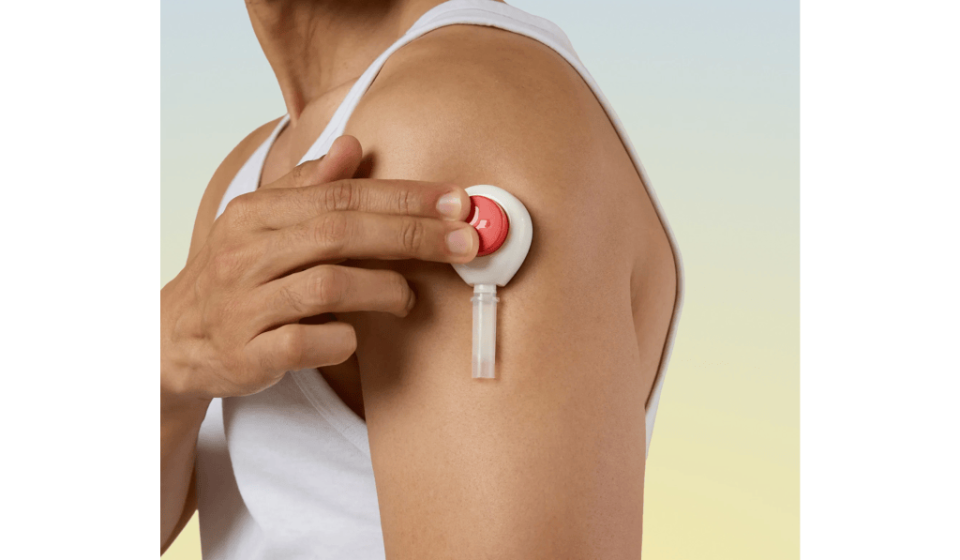
In just 10 minutes, users complete a short blood collection using a small, single-use Tasso device and mail the sample back using free, expedited shipping. A licensed healthcare provider then reviews the results and provides answers digitally via an app within a week. In the event of a significant hormonal deficiency, the doctor may prescribe an oral medication based on enclomiphene starting at $99/month for 10 months. No insurance is required.
Johnson was surprised to learn from Peter Stahl, MD, senior vice president of men’s health at Hims, that there might even be a link between mortality and testosterone.
“We don’t know yet if giving testosterone makes you live longer, but we have a lot of data that giving men testosterone helps them feel much better physically, sexually and psychocognitively,” Dr. Stahl confirmed during a panel discussion at The Tune Up. “People with low T lose muscle mass, gain weight, their bones get weak, they lose their libido…brain fog, loss of vitality, don’t feel as strong as they used to.”
If you’re in your 30s and you’re starting to feel more tired or fatigued than usual, it may be worth tracking your own dashboard to see what treatment options might be available to you.
This article was written by Carrie Berk, business reporter for the New York Post. Carrie specializes in New York fashion finds for all styles, ages and budgets. Reviewing the internet’s sale sections, brand collaborations, seasonal trends, timeless must-haves and similar styles, she makes recommendations that will stand the test of time in your wardrobe – without breaking the bank. Before joining The Post full time in 2026, her work appeared in HuffPost, Women’s Health, Newsweek and more.
Gn Health