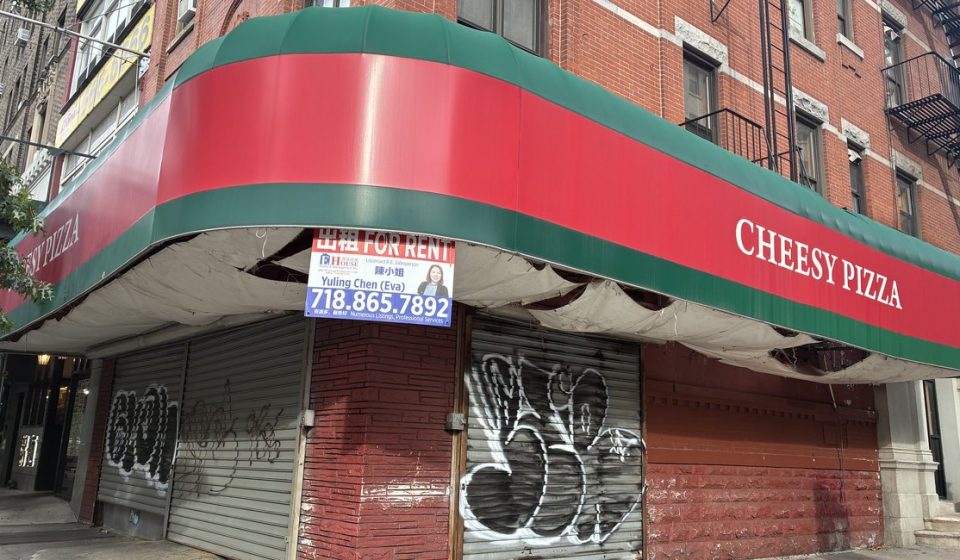
New York City has a problem with empty storefronts.
According to a new report from the City Comptroller’s Office, 1 in 9 stores citywide were vacant in September, with Manhattan and Brooklyn surpassing the city average. The city launched a dashboard to track street-level vacancies.
“Thriving business corridors are essential to the health of New York City’s economy and neighborhoods,” said City Comptroller Mark Levine. “In many ways, New York City has recovered since the pandemic, but the recovery has been uneven, with empty storefronts in many communities that deserve busy activity. »
Last summer, between July and September, nearly 142,000 storefronts were closed, according to the results. This number represents a slight increase from the previous quarter and is higher than pre-pandemic levels. Since the summer of 2023, the citywide retail vacancy rate has remained above 11%.
Among the five boroughs, Manhattan had the highest vacancy rate at just over 13 percent. Brooklyn was second highest at about 12.7%. Queens’ vacancy rate was nearly 10%, but the borough saw the largest quarterly increase in enclosed commercial space. The vacancy rate was 8% on Staten Island and slightly higher in the Bronx.
But neighborhoods across the city, including the Financial District, Tribeca, Ocean Hill, East New York and Old Astoria-Hallets Point, have some of the highest vacancy rates, all around 20 percent. Overall, the city saw a net loss of more than 200 small businesses between the spring and summer of this year, according to the report.
The dashboard comes at a busy time for businesses and buyers. According to the New York City Economic Development Corporation, businesses in the city experience a 35% increase in customer traffic between Black Friday and December, generating approximately $500 million in sales.
Levine said the goal of the storefront vacancy dashboard is to help policymakers, small businesses and community organizations track the economic situation of commercial districts across the five boroughs. The dashboard will be updated quarterly.
“Keeping an up-to-date accounting of the severity of this problem is essential for us as a government to develop solutions,” Levine said.
Gn bussni