Italian jeweler Paolo Bulgari, who helped transform his family business into a global luxury house synonymous with Hollywood glamour, has died in Rome at the age of 89.
“The greatest jeweler of our time is gone,” his family said in a statement, according to Italian newspaper Il Sole 24 Ore, remembering him as an “extraordinary character” who “loved Italy and was Italy’s ambassador to the whole world.”
The grandson of the founder of Bulgari, he served as chairman of the Bulgari Group from 1984, overseeing the international expansion of the Rome-based jewelry house.
In an Instagram post on Saturday, the company remembered him as a “true creative soul” who left “an indelible mark on the world of jewelry.” and would continue to inspire the future generations.
“Everything can be a source of inspiration. There are no rules when it comes to creativity. Ever,” the jeweler said, according to the company’s tribute.
The cause of his death has not been revealed.
Bulgari became synonymous with Hollywood glamor in the 1950s and 1960s, when stars flocked to its flagship store on Via Condotti in Rome during the era of La Dolce Vita.
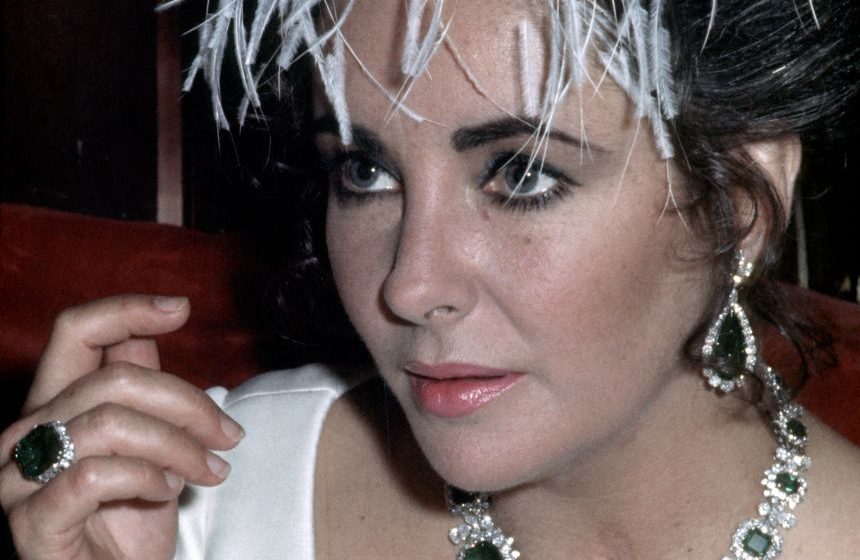
One of its most famous admirers, Elizabeth Taylor, developed a passion for the brand while filming “Cleopatra” in Rome, where she began her high-profile romance with co-star Richard Burton, according to the Bulgari website.

Burton gave Taylor an emerald and diamond Bulgari brooch for their engagement in 1962, followed by a matching 16-diamond emerald necklace as a wedding gift in 1964, according to Christie’s, which later auctioned both pieces.
Burton joked that the only Italian word Taylor learned during her time in Rome was “Bulgari,” according to the company.
Bulgari jewelry also became an integral part of one of the most scrutinized royal romances of the 1990s. Diana, Princess of Wales, was also reportedly given a diamond-studded Bulgari ring by Dodi Fayed shortly before the couple died in a car crash in Paris in 1997.
Other famous admirers included Sophia Loren, Audrey Hepburn, Ingrid Bergman and Grace Kelly. Zendaya, Anne Hathaway and Hudson Williams are among the brand’s modern ambassadors.

The company was founded in 1884, when Bulgari’s grandfather, Greek goldsmith Sotirios Voulgaris, opened a jewelry store in Rome after leaving the Ottoman Empire. He later adapted his name into Italian as Bulgari.
Born in Rome in 1937, Paolo Bulgari joined the family business in 1960, shortly after his studies, developing expertise in precious stones.
Alongside his brothers, Paolo Bulgari developed his typically Italian style, breaking from the more delicate jewelry traditions of Paris, using oversized colored gemstones, rich yellow gold and bold shapes.


The brothers contributed to the company’s international development by opening stores in New York, Paris and Geneva. The siblings also diversified the business beyond jewelry, moving into watches, perfumes, leather goods and hospitality.
But the family’s immense wealth also made them a target for kidnappers. In a 2005 interview with Italian magazine Panorama, Bulgari recalled personally negotiating the release of his brother Gianni, who was kidnapped at gunpoint in Rome in 1975 and released about a month later after paying a ransom of 1.3 billion Italian lire.
Eight years later, their cousin and her teenage son were kidnapped from their country estate. Both were released after 35 days, according to a documentary by Italian channel RAI, in which they recount their kidnapping.
In 2011, the Bulgari family sold a majority stake in the company to French luxury conglomerate LVMH in a deal valued at more than $5 billion, ending more than a century of family control.
The funeral will take place on Monday at the Basilica of the Holy Cross in Jerusalem (Basilica of the Holy Cross in Jerusalem), one of the seven pilgrim churches in Rome.
This story has been updated.
Gn entert