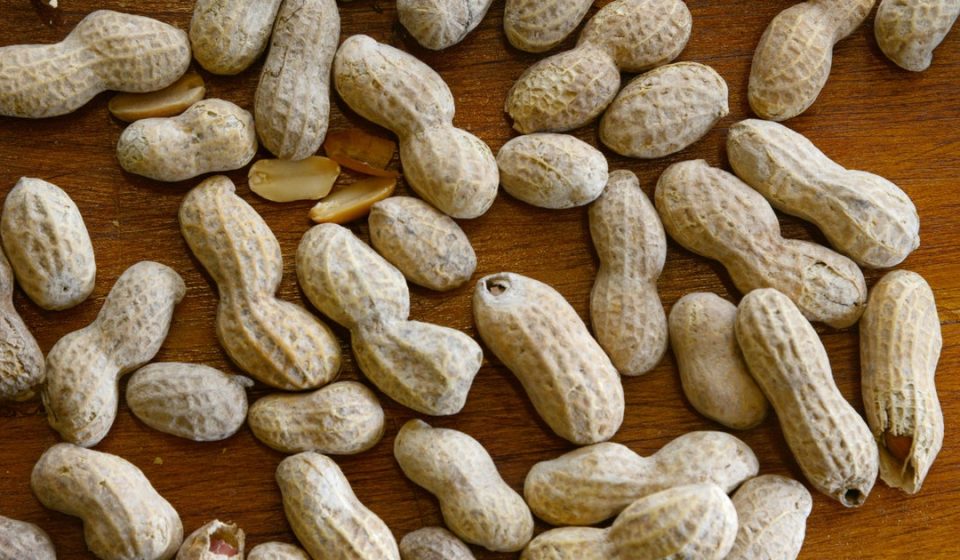
It’s one of the most common struggles for parents of young children: controlling what their children eat when they’re diagnosed with a peanut allergy.
About one in 50 children in the United States is allergic to peanuts. But a new Australian study shows parents should consider getting their children retested.
More than a third of babies suspected of being allergic to peanuts could have the diagnosis safely removed, according to a study from the Murdoch Children’s Research Institute and the National Allergy Center of Excellence, published this week in The Journal of Allergy and Clinical Immunology.
The infants in the study had recently had a reaction to peanuts and later tested positive for a peanut allergy. However, according to the study, 34.8% of infants who tested positive did not have an allergic reaction when given gradually increasing doses of peanuts under strict medical supervision.
Oral feeding challenges are not used enough, according to those who conducted the study, because most parents rely solely on the tests.
“Oral food challenges are not currently used routinely for all infants with suspected peanut allergies,” Kirsten Perrett, director of the National Allergy Center of Excellence, said in a statement. “But our results show that clinical history and allergy testing were not sufficient to accurately diagnose peanut allergy in many cases. A supervised oral food challenge should be routinely considered to confirm the diagnosis before an infant begins oral immunotherapy.”
According to the study, those who did not have an adverse reaction during the oral challenge were considered peanut tolerant and had their allergy label removed.
But parents should never attempt a similar challenge alone, experts warn.
“If you have an infant who has been diagnosed with a peanut allergy, it may be a good idea to have a conversation with your allergist about … an oral food challenge,” CBS News medical contributor and immunologist Dr. Tania Elliott told “CBS Mornings.” “It’s not something to try at home: 12% of these babies have had anaphylaxis. OK, so this needs to happen in a monitored environment in the doctor’s office, where they are given small amounts of peanut to determine if they are still allergic.”
“And all children should be retested, even if they have allergies, every year to determine whether or not they still have the allergy,” Elliott added.
Gn Health