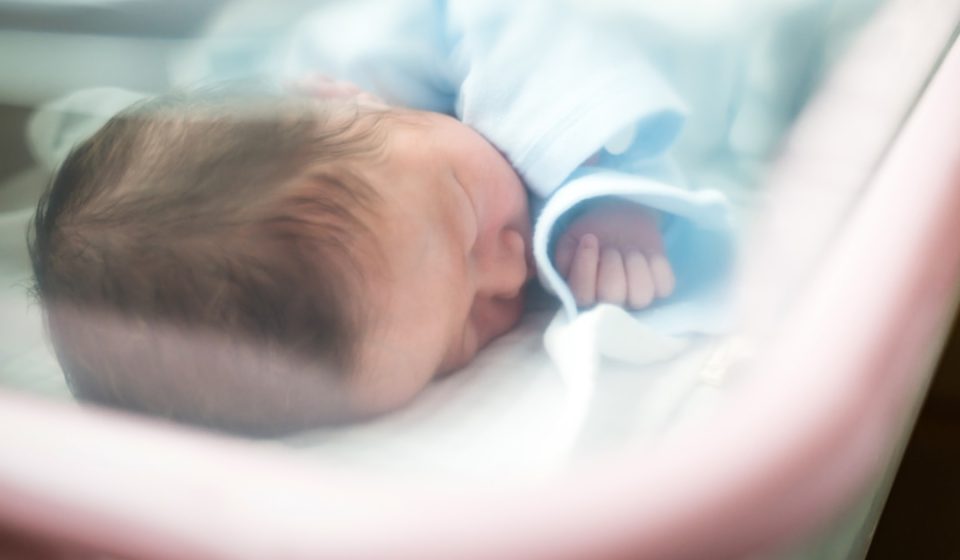

The Pennsylvania Department of Health issued an alert to doctors Monday about an increase in measles infections among pregnant women, as well as a concerning increase in congenital measles — a disease rarely, if ever, seen in the United States.
The department said 66 pregnant women in Pennsylvania have been diagnosed with measles since the state’s outbreak began in April. “Catching measles during pregnancy increases the risk of miscarriage, early delivery and low birth weight,” a department spokesperson said in an email.
It is not known exactly how many women have miscarried or given birth with congenital measles. The department said state law prohibits it from releasing details about the outcomes of these pregnancies and that there is no national database to track the cases. The actual numbers may also be obscured as the outbreak has largely been limited to Amish families who do not always seek conventional medical assistance.
As of Thursday, there have been 4,410 cases of measles in the United States this year. In Pennsylvania, there were 1,286 cases on Monday.
Even before widespread measles vaccination, congenital measles was rare. This is because most women were already infected as children. Only now is this threat emerging, as measles outbreaks increase as vaccination rates decline.
Last month, the American Academy of Pediatrics added a “frequently asked questions” page about congenital measles to its website in response to ongoing and growing measles outbreaks. According to the AAP, congenital measles occurs in newborns whose mothers were infected within two weeks before birth and who test positive for or develop symptoms of measles within 10 days of delivery.
Anecdotally, doctors said at least six babies were born in Pennsylvania with congenital measles. Babies can have a range of symptoms, from a rash and fever to pneumonia, neurological problems and low blood platelets. At least two developed pneumonia and were admitted to an intensive care unit, doctors said.
Congenital measles can be fatal. A Lancaster County father previously told NBC News that his wife contracted measles in August and went into labor a month early. Their baby died shortly after birth.
Congenital measles can also lead to serious brain and immune problems later in life, the Pennsylvania Department of Health said. These long-term complications can include a very rare and serious inflammatory brain disease called subacute sclerosing panencephalitis, or SSPE. It can occur seven to ten years after measles infection and is almost always fatal. There is evidence that SSPE may occur earlier in children born with congenital measles.
There is no specific treatment for congenital measles other than supportive care, such as fluids, hydration, and supplemental oxygen.
The best way to prevent neonatal illness is for women to get vaccinated before becoming pregnant, the health ministry said. Pregnant women who contract measles cannot get vaccinated because the vaccine contains a weakened but live version of the virus.
Unvaccinated pregnant women who are exposed to measles can receive a dose of immunoglobulin within six days of that exposure, the Health Ministry said, to “provide protection against measles infection or reduce the risk of serious illness in susceptible individuals.”
The vaccine can be given to women after childbirth and is safe for breastfeeding mothers, according to state health officials.
Gn Health