
PURCHASE, N.Y. — PepsiCo plans to raise prices on some snacks and beverages and cut corporate costs after a disappointing performance in North America during the third quarter.
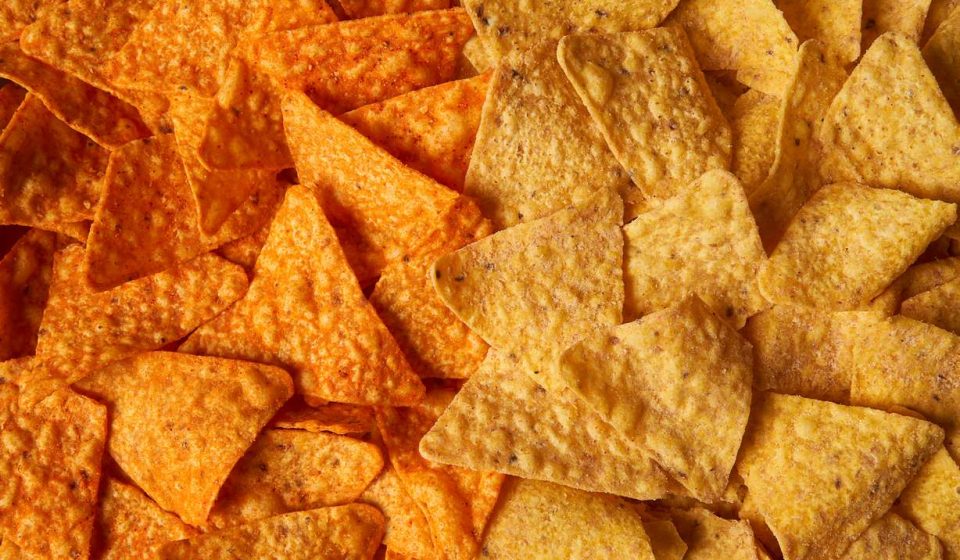
The price increases, which will affect Doritos, Ruffles, SunChips and some sodas, will be in the single-digit percentage range, and prices will remain lower than they were at the start of this year. PepsiCo said Thursday it needed to raise prices to recoup rising costs of fuel, aluminum and agricultural raw materials.
Many companies, including PepsiCo, have offset rising costs this year by using tariff rebates granted by the government after the Supreme Court struck down President Donald Trump’s sweeping global tariffs.
PepsiCo used its $178 million refund to do just that in the most recent quarter, but said that money wouldn’t be available in future quarters.
Still, there are risks for companies raising prices in the current economic environment, when many American households are already facing financial difficulties.
PepsiCo has relied heavily on price increases to combat inflation in the wake of the COVID-19 pandemic. The company raised prices by double-digit percentages for eight straight quarters in 2022 and 2023 before settling into more moderate price increases.
Consumers revolted and sales of PepsiCo drinks and Frito-Lay snacks plummeted. Last fall, activist investor Elliott Investment Management took a $4 billion stake in the company and began pushing for even lower prices. PepsiCo agreed and slashed the prices of Lay’s chips, Doritos, Cheetos and Tostitos by up to 15% ahead of the Super Bowl.
Laguarta said lower prices brought back some consumers, but third-quarter results remained weaker than expected, in part because of weak sales in Canada. Frito-Lay snack volumes remained stable between July and September compared to the same period last year. Beverage volumes fell 2%.
Laguarta also said in a conference call that “we don’t feel good in the beverage business.”
Sales of hydration drinks like Gatorade and energy drinks like Celsius were stronger in North America, but those of sodas fell.
“We are putting all the urgency in our business and focusing on improving our performance in the soft drinks sector,” Laguarta said.

PepsiCo lowered its earnings expectations for the year, saying it now expects adjusted earnings per share growth of 2.5% to 3.5%. Previously, it expected growth of between 5 and 7%. The company now expects revenue growth of 6% for the full year, the high end of its previous forecast of between 4% and 6%.
Nonetheless, PepsiCo reported better-than-expected revenue for the quarter thanks to the strength of its international operations, which account for 41% of the company’s revenue. Net revenue increased 5.6% to $25.27 billion in the July-September period. Wall Street expected revenue of $24.95 billion, according to analysts polled by FactSet.
The company, based in Purchase, New York, said its global snack volumes increased 4%, the highest growth rate since 2021. World Cup-related demand for Lay’s snacks was strong, the company said, and PepsiCo gained market share in key markets like China and Brazil. Snack volumes increased 11% in the Asia-Pacific region, PepsiCo said.
Fast-growing categories include snacks with simpler ingredients, like Doritos and Gatorade Lower Sugar, without artificial colors or flavors, as well as protein-enriched snacks, the company said.
Net profit increased 17% to $3.07 billion in the third quarter. After adjusting for one-time items, the company earned $2.34 per share. That’s more than the earnings per share of $2.29 analysts expected.
PepsiCo shares rose 2% on Thursday.
The key takeaways from this article were generated with the help of large language models and reviewed by our editorial team. The article itself is solely written by humans.
Gn bussni