It’s time to give up this medication.
A natural supplement marketed as an energy booster, pain reliever, mood enhancer, anxiety reducer and even treatment for opioid addiction left a 32-year-old man with septic shock and hearing loss, according to a case report.
The patient was also diagnosed with the same illness that killed 24-year-old Rachel Apa shortly after she completed the New York City Marathon.

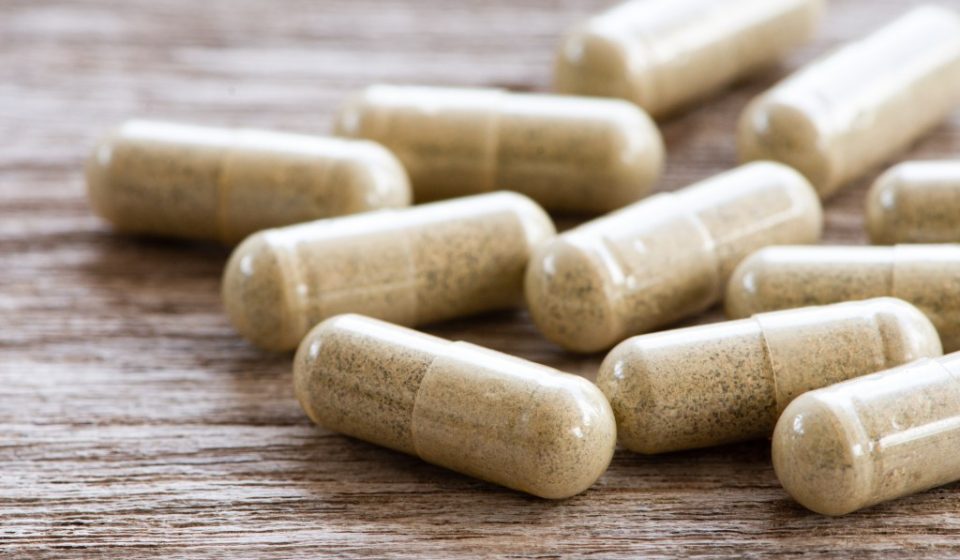
The anonymous patient, who had a history of anxiety, had been taking six to eight kratom pills of an unknown dosage purchased at his local gas station every day for two years.
After falling in his shower and being unconscious for eight hours, he went to the hospital with headaches, nausea, slurred speech and brief memory loss, as well as pain and hearing loss in his right ear.
While recovering his hearing at the hospital, doctors discovered that the man was suffering from septic shock, the most severe form of sepsis, in which an infection affects the body’s immune system, due to auriculitis in the ear.
He was also found to have rhabdomyolysis, also known as “rhabdo,” a condition that causes muscles to break down rapidly and flood the blood with proteins and electrolytes, damaging organs.
Although it is relatively rare, approximately 26,000 people in the United States develop this condition each year. Young women and endurance athletes, or those who participate in strenuous exercise, are more susceptible.
A urine drug test showed the man had fentanyl in his system, but tested negative for any other substances.
Kratom can slow the metabolism of fentanyl, making it last longer in the body, and combining the two drugs also carries serious risks, including respiratory failure, severe sedative effects, and fatal overdose.

After staying in the hospital for 10 days – three of which were in intensive care – and receiving courses of antibiotics for sepsis, an IV for rhabdo and steroids for hearing loss, the patient was discharged.
Doctors believe kratom or fentanyl was responsible for the rhabdomyolysis, which may have caused temporary hearing loss due to electrolyte changes.
The sedative effects of the supplement may also have triggered the patient’s rhabdo, with this condition appearing frequently in other kratom users.
Between 2021 and 2025, poison centers reported a 1,200% increase in calls about kratom, a supplement widely available at gas stations, vape stores and online.
A plant extract made from a tree native to Southeast Asia, kratom has become popular in the United States and is federally legal, although it has not been approved by the FDA for medical use.
The leaves contain two psychoactive compounds, mitragynine and 7-hydroxymitragynine (7-OH), which bind to the same brain receptors as prescription opioids.
And although it is marketed as “natural,” kratom can cause nausea, vomiting, constipation, drowsiness, dry mouth, itching, and loss of appetite.
Higher consumption leading to seizures, hallucinations and even death, according to the Drug Enforcement Administration.
Health and Human Services Secretary Robert F. Kennedy Jr. announced last year that he was launching a federal crackdown on 7-OH, a synthetic byproduct of the kratom plant, intended to be classified as Schedule I — the same category as heroin and LSD.
Gn Health