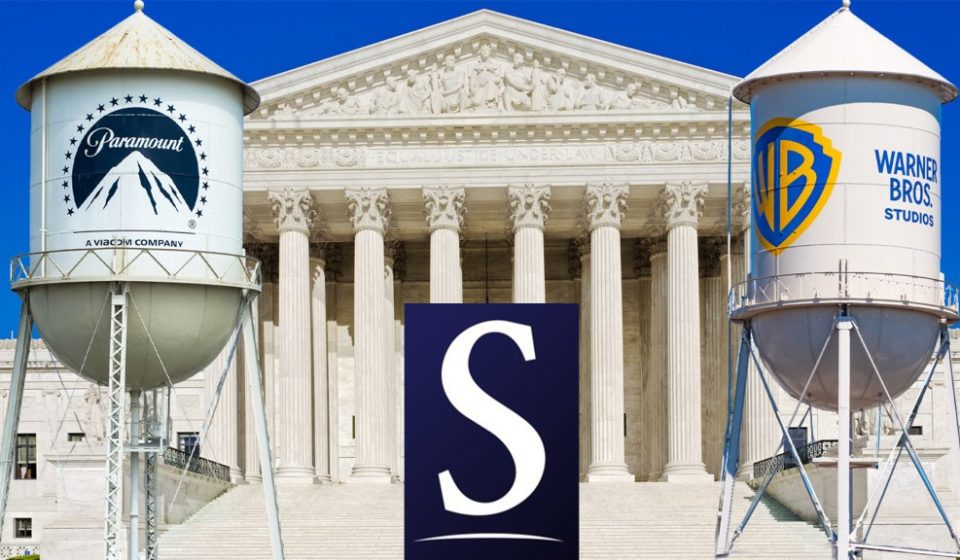

UPDATED: Supreme Court Justice Elena Kagan denied any last-minute attempt to stop Paramount’s merger with Warner Bros. Discovery, a transaction expected to be finalized on Tuesday.
Kagan’s refusal to accept a petition was placed on the docket without comment.
In a brief filed earlier Monday, the petitioners — Pamela Faust, Len Marazzo, Lisa McCarthy, Deborah Rubinsohn and Gary Talawsky — argued that the merger was still anticompetitive, even with the conditions put in place by the state attorneys general’s lawsuit settlement last month.
“The state regulations themselves require that the merged company not sell or close the Paramount or Warner Bros. bundles during the commitment period, grant re-enforcement rights to employees displaced by the transaction, and create an independent editorial board. These safeguards show the extent of integration that the closure will trigger, but they do not preserve competition between Paramount and Warner Bros..”
RELATED: Channing Dungey Ready for Expanded Post-Merger Role in Overseeing Paramount and WBD Cable Networks – The Dish
The motion was denied, as the plaintiffs’ efforts to stop the merger were rejected by the district court and the Ninth Circuit Court of Appeals.
The plaintiffs, represented by Joseph M. Alioto, sought a temporary restraining order last month to block the merger. But U.S. District Judge Araceli Martinez-Olguin, in a ruling last week, cited plaintiffs’ “repeated failure to present any evidence to support their motions for preliminary relief in this case to date.” She also cited an earlier ruling in which she granted Paramount’s motion to dismiss the lawsuit, in which she wrote that she had “serious concerns” about the plaintiffs’ standing.
A federal appeals court rejected their request Friday.
RELATED: Mark Thompson to Remain at CNN as President Under Ellison’s Skydance
In their petition to the Supreme Court, the plaintiffs highlighted the recording of transaction documents, CEO statements and consumer verifications.
Their brief stated: “The requested order is narrow: preserving separate ownership and prohibiting integration pending determination of the motion or a supplemental order. It does not decide ultimate antitrust liability. It preserves the Court’s ability to decide legal questions before the October 6 closing changes the competitive structure the Clayton Act is intended to protect.”
The plaintiffs described themselves as subscribers, viewers and cable customers of Paramount. Their suit was initially filed last spring, before the group of state attorneys general sued to block the deal. The settlement includes a consent decree that specifies a schedule of more than 30 theatrical releases per year as well as separate negotiations for the Paramount and Warner Bros. cable channels. Discovery.
RELATED: Gerhard Zeiler’s Political Aspirations Leave Kevin MacLellan in Charge for Leading International Role at Skydance
Gn entert