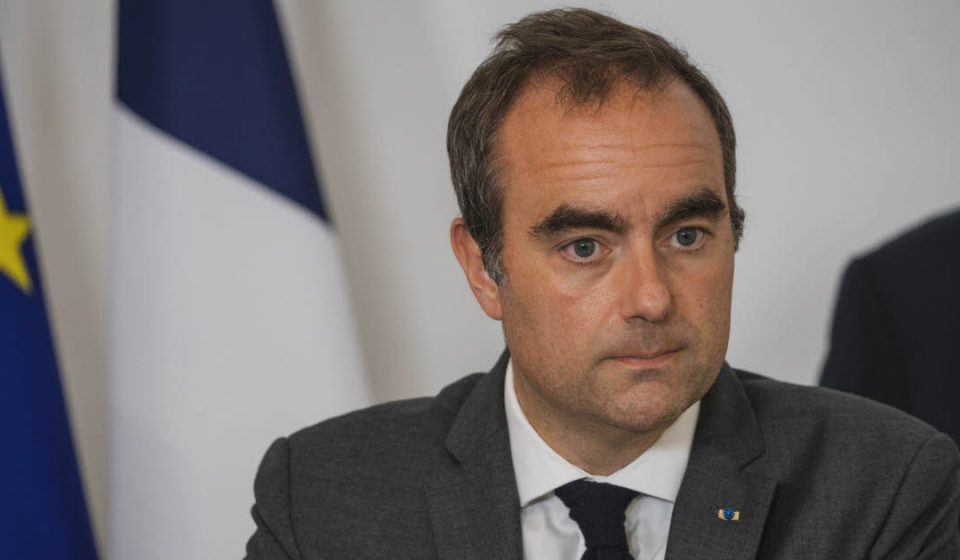
Policy. Budget 2027: Sébastien Lecornu promises a reduction in the exceptional contribution of businesses


Sébastien Lecornu promised, in a letter to business leaders, that the exceptional contribution to corporate tax would “decrease” in the draft budget for 2027. “The exceptional contribution to corporate tax requested from very large companies will decrease,” wrote the Prime Minister in his letter made public this Wednesday. This surcharge “responded to an exceptional situation: what is exceptional must remain exceptional,” he adds.
The government was studying the renewal for a third year of this exceptional contribution on the profits of large companies, but the Minister of the Economy, Roland Lescure, pleaded for a reduction in this surcharge. Sébastien Lecornu also estimated at the end of August that reproducing it identically “would send a very bad signal to international investors”.
A “Papin pact” created
“You need visibility. France needs growth. The two go together,” argues the head of government, reminding bosses that growth will come “from your investments, your innovations, the young people you will train, the jobs you will create” and the businesses “that you will take over and pass on.” In this regard, it confirms the creation, in the 2027 draft budget, alongside the Dutreil pact on the transfer of family businesses, of a “Papin pact” (named after Minister Serge Papin) to “facilitate” the transfer of businesses to their employees.
The government will notably propose “additional depreciation of new equipment necessary for production”, an advantage which will be “increased for VSEs” (very small businesses). Sébastien Lecornu, however, mentions the possibility of “reviewing” aid to businesses when it “no longer has demonstrated effectiveness” or becomes “a windfall effect”.