
Talk to any young athlete and they will know about creatine.
It is one of the most popular supplements for improving muscle recovery and preserving muscle mass – used by gym junkies everywhere.
Now, new research adds to the tentative evidence that creatine may benefit the body and brain, even without exercise.
Creatine may not directly cause fat loss, but early results suggest it may block muscle loss, even without resistance training.
The supplement might even have beneficial effects on memory and cognitive functions.
The recent study was published in the Journal of the International Society of Sports Nutrition.
The trial involved 64 sedentary adults, aged 45 to 65, who were randomized to receive either a placebo or a high daily dose of creatine (10 grams) for 12 weeks.
Neither the researchers nor the participants knew who was taking what.
During this time, volunteers could decide for themselves whether or not they wanted to participate in an exercise and diet intervention.
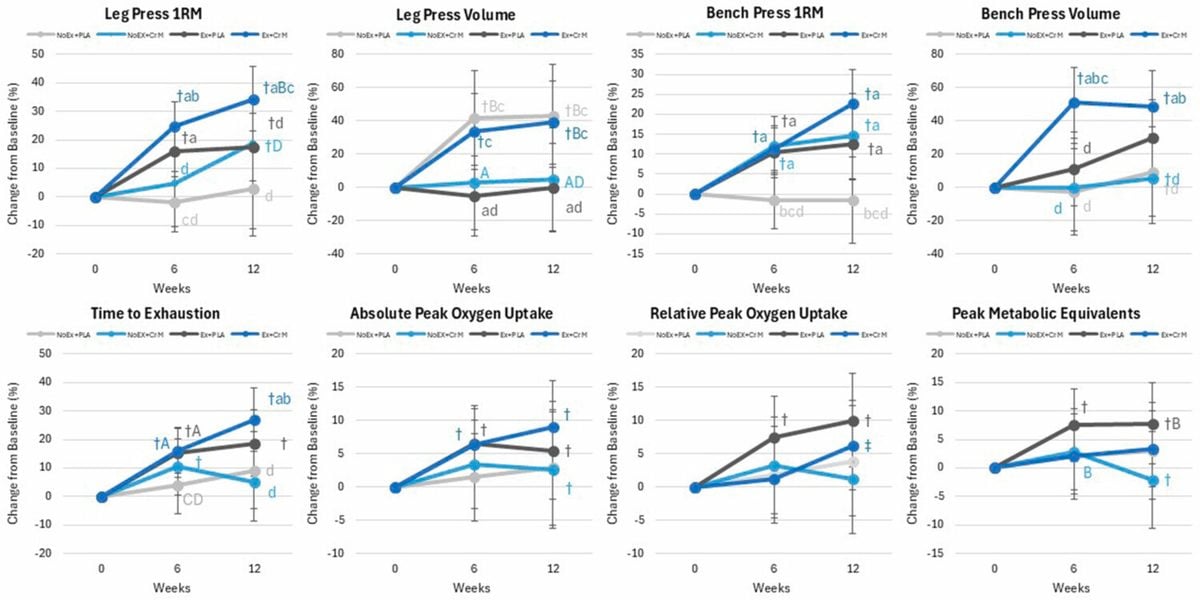
Among the 26 people who chose not to participate in this intervention, those who took creatine still increased their lean body mass as well as their bench press and leg press strength.
This was true even if they hadn’t increased their resistance training.
This does not mean, however, that exercise has no role to play in creatine consumption.
Among the 38 participants who changed their physical activity and diet, the creatine results were even more impressive.
The supplement resulted in greater reductions in body fat percentage and improvements in muscle strength and endurance on bench presses and leg presses after 12 weeks.
There was even some evidence that creatine boosted cognitive function and memory test scores in those who did and did not exercise, although these results were only exploratory.
“These findings could have important implications for middle-aged and older people looking to reduce body fat while maintaining muscle mass and cognitive function,” write researchers at Texas A&M University.
“(They) support the claim that creatine supplementation can help older adults maintain muscle mass, strength and cognitive function.”
To the researchers’ knowledge, this is the first study to show that adding creatine to an exercise- and diet-induced weight loss program can produce a greater reduction in body fat percentage than exercise and diet alone.
The study’s lead author, Richard Kreider, has been studying creatine for more than 30 years.
He currently chairs the scientific advisory board of Alzchem, the creatine manufacturer that provided the supplements used in the trial and funded a series of laboratory tests, although, according to the newspaper, the company was not involved in the collection, analysis or interpretation of the new data.
The results show the benefits of creatine even without exercise, and it’s a controversial result.
Earlier this year on the Health vs. Hype podcast, Jason Mitchell, chief medical officer of healthcare company Geisinger, explained that there are very good studies showing that older adults who strength train and take creatine supplements maintain leaner body mass.
But Mitchell wasn’t convinced that creatine supplements worked without exercise.
“I think sometimes you’ll see influencers say, take creatine and you can lose fat, and that’s not true. The reason it works is because if you take creatine while you’re weight training, you increase lean mass and that ultimately decreases fat,” Mitchell said.
“So it’s one of those misconceptions.”
Previous trials of non-exercise creatine supplements have produced mixed results.
In 2019, for example, a two-year randomized trial of about 200 older women found no improvements in lean mass or muscle strength without resistance training.
But that trial didn’t directly compare resistance training to no training, as this new study did.
Creatine is one of the most studied sports and nutritional supplements, but its role outside of the gym is only just beginning to be revealed.
When creatine’s popularity first exploded in the 1990s, it was because scientists discovered that the supplement could improve athletic performance.
However, most of these early studies focused on people who exercised regularly.
More recently, the conversation around creatine has expanded beyond the gym and sparked the interest of others.
Emerging evidence, for example, suggests that creatine may improve brain function, memory, or even mood.
“It’s intriguing. It’s not definitive at this point,” Mitchell said of the emerging data.
“There’s certainly nothing that shows improvements when it comes to dementia and that sort of thing.”
The brain uses a lot of energy, Mitchell explains, and creatine is found in the brain. But its impact on cognition at this stage is uncertain.
“We don’t have the data to say, yes, this is something you should take for your brain, but I don’t want to ignore it. There are studies,” he said.
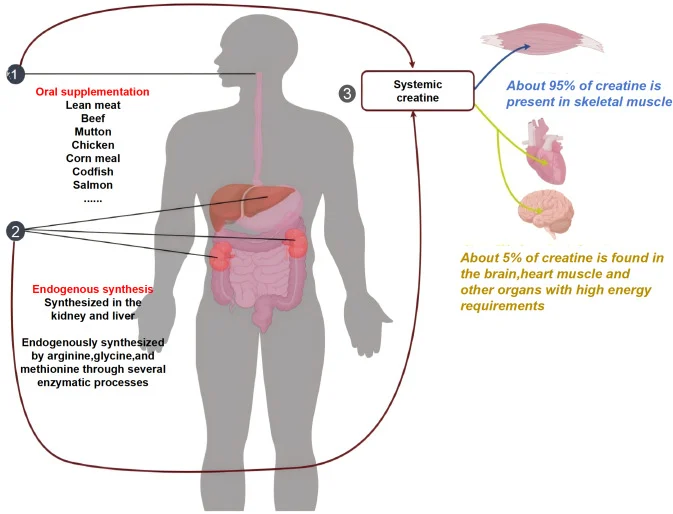
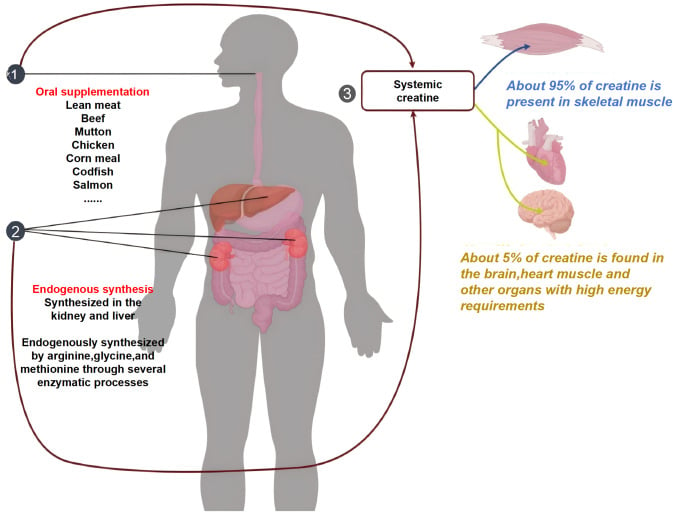
What is even less clear is the dose required to reap the most benefits. The current study had participants take a relatively high dose of creatine, equivalent to eating about 2 kilograms (4.5 pounds) of meat or fish each day.
But is it useful for everyone?
Creatine has become a “billion-dollar wellness darling” since research began linking it to longevity.
But supplements are expensive and they may not work or be safe for everyone.
It’s easy for online hype to outweigh the actual evidence, and it’s important to remain cautious about what a supplement can achieve.
For now, it appears that creatine can supplement exercise, but it certainly cannot replace it.
The research was published in Journal of the International Society of Sports Nutrition.
This article was fact-checked by Rebecca Dyer and edited by Rebecca Dyer. Although we are proud of our process, we are only human. If you spot an error, please let us know.
Gn Health