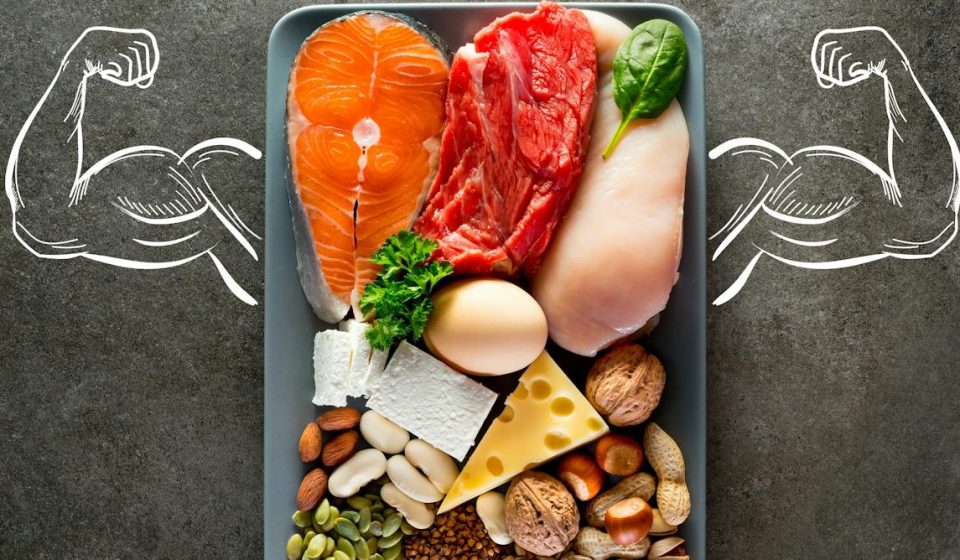
High protein content has become a selling point for foods ranging from breakfast cereals to yogurt. For anyone hoping to build muscle or stay strong as they age, choosing the product with the most protein may seem wise. But whether an extra serving helps depends on what they’re already eating and how they’re using their muscles.
A person who regularly lifts weights may benefit from a protein supplement to support muscle growth. An older person with a small appetite may need help maintaining their strength. A person who already gets enough protein may not gain much by adding more.
Understanding these differences can help you decide more easily whether you need to change your diet, buy a supplement, or focus on exercise.
Muscle tissue is continually broken down and rebuilt. Dietary proteins provide amino acids, the small molecules that the body uses to make its own proteins, including those in muscles.
Resistance exercises work the muscles against a load. This load can come from weights or from your own body during an exercise such as push-ups. It stimulates the processes involved in muscle building and repair, allowing muscles to adapt to repeated demands.
Protein supports this adaptation, but increasing its intake does not replicate the effects of exercise.
A review of 49 trials involving 1,863 participants found that protein supplements produced incremental improvements in muscle size and strength during resistance training. Participants trained for at least six weeks. The results therefore concern the contribution of protein to a training program, rather than the effects of adding a shake to an otherwise unchanged routine.
For someone who already gets enough protein, establishing a manageable strength training routine may be more helpful than reaching for another protein-rich snack.
More Protein Doesn’t Mean Unlimited Gains
The UK Reference Intake for adults is 0.75g of protein per kilogram of body weight each day. For a person weighing 70 kg, this is approximately 53 g. This reference intake aims to meet the needs of most healthy adults, rather than specifically maximizing muscle growth.
People who undertake resistance training may benefit more from it. In reviewing 49 trials, adding protein did not appear to produce additional gains in lean mass, including muscle, once total daily intake reached about 1.6 g per kilogram of body weight. For a 70 kg adult, this would be approximately 112 g of all foods and supplements combined.
This figure is an estimate from all studies, rather than a precise threshold for each person. This doesn’t mean everyone has to achieve it. Existing protein intake and training demands determine whether a protein supplement is likely to be helpful.
Before purchasing supplements, consider the protein already provided by regular meals. A supplement can come in handy when food alone doesn’t meet a person’s protein needs. But if their diet already provides enough protein for their activity level, a supplement may offer little additional benefit while increasing costs.
Maintaining your muscles as you age
Muscle health has consequences far beyond appearance. Loss of strength can make it more difficult to get up from a chair or do errands, threatening one’s independence.
Older muscles may become less sensitive to the muscle-building effects of a meal, a phenomenon called “anabolic resistance.” This means that the same amount of protein may produce a weaker muscle-building response than in younger people.
An international expert panel recommends about 1.0 to 1.2 g of protein per kilogram per day for healthy adults over the age of 65, in addition to exercise. For a person weighing 70 kg, this is approximately 70 to 84 g. Needs may differ during illness and people with significant kidney disease may need individual advice.
However, preserving muscle involves much more than simply increasing protein. A one-year trial of 208 healthy older adults found that protein supplementation alone did not improve muscle size or strength compared to carbohydrate supplementation. Intense resistance training combined with whey protein produced benefits that supplementation alone did not provide.
The practical implication is that protein advice should also take into account exercise opportunities. Increasing consumption without addressing inactivity can leave an important part of muscle maintenance neglected.
Choosing foods that fit your diet
Cottage cheese is a convenient source of protein, but many alternatives are available. Other dairy products and eggs provide protein, as do beans and soy foods. Preferences and affordability will influence the options a person can eat regularly.
Read more: We put cottage cheese through an evidence check – and the health claims didn’t back up
Plant-based diets can also promote muscle growth. In a small study of 38 young men, vegans and omnivores followed a 12-week resistance training program while consuming similar amounts of protein, about 1.6 g per kilogram per day. Both groups used supplements to achieve this intake. Researchers saw similar improvements in muscle mass and strength.
The study was small and involved young men. It therefore cannot establish that each protein source works equally well in all situations. This shows that muscle gains are possible with an exclusively plant-based diet when protein intake and training are adequate.
For general health, the NHS recommends muscle-strengthening activities at least two days a week. Exercises should be tailored to individual abilities and become progressively more difficult as strength improves.
A person who consumes too little protein may benefit from changing their meals. A person who is already meeting their needs can make further progress by finding a strength training routine they can maintain. These decisions depend on the situation of the person, which a number of proteins contained in a sachet cannot capture.
Whether the goal is to lift a heavier weight or climb stairs more easily, the useful question is how diet and physical activity can together support that goal. Buying more protein is only helpful when it addresses something the person actually needs.
Strange Health is hosted by Katie Edwards and Dan Baumgardt. Executive producer is Gemma Ware, with video and sound editing for this episode by Anouk Millet. Artwork by Alice Mason.
If you have a question about a viral trend or video you’ve seen and want us to delve into the science behind it in an upcoming episode, please email us at strangehealth@theconversation.com.
Listen to Strange Health through any of the apps listed above, download it directly through our RSS feed, or find out how else to listen here. A transcription is available via the Apple Podcasts or Spotify apps.
Gn Health