
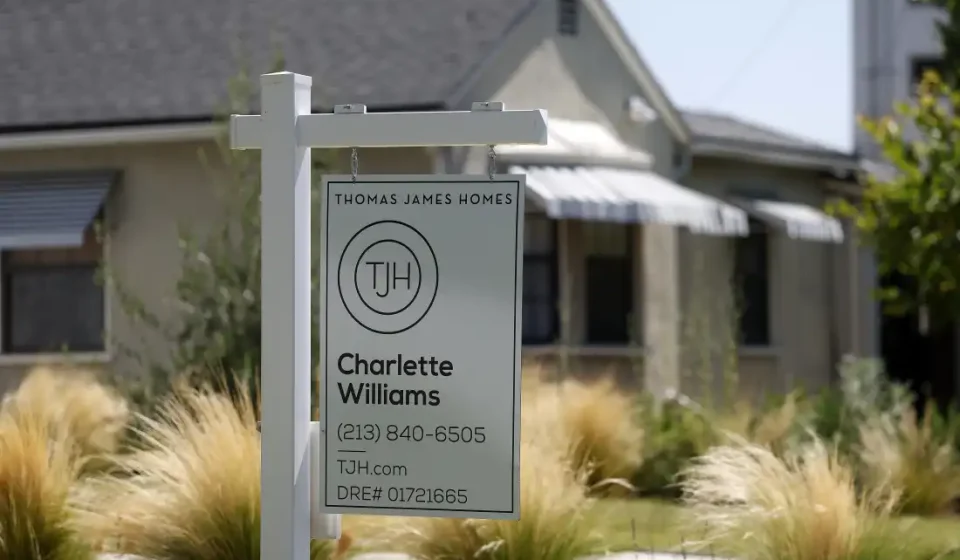
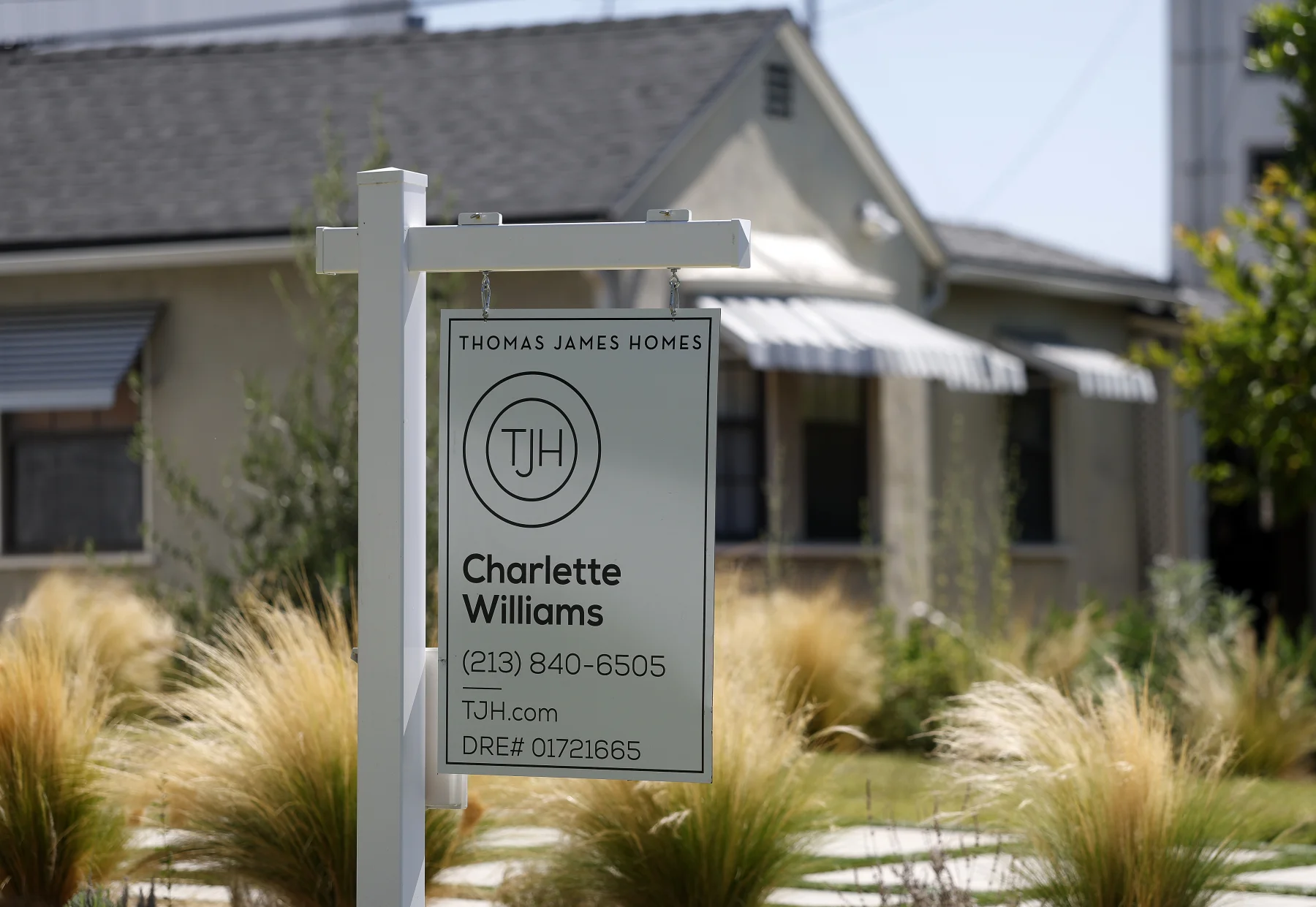
A “for sale” sign is posted in front of a home on July 9, 2026 in Los Angeles, California. A new report finds that generational wealth is helping a record share of first-time home buyers pay entirely in cash.
Justin Sullivan/Getty Images
hide caption
Justin Sullivan/Getty Images
The share of first-time home buyers remains at a near-record high of 22%, while the housing shortage and high prices are marginalizing many, according to a study. new report by the National Association of Realtors. But those who manage to buy are older and wealthier than in the past, and 1 in 10 people paid entirely in cash, the highest since this data was collected starting in 2003.
“Inheritances are really driving this phenomenon,” said Jessica Lautz, deputy chief economist at NAR.
First-time buyers who paid entirely in cash were more likely than those who financed a home to use an inheritance (28%) or proceeds from the sale of an inherited asset (21%). They were also older.
NAR finds that the median age of all first-time buyers remains at 40, an all-time high. For first-time buyers who financed a purchase, it was 38, while for those who paid all cash, it was 54. “They waited a significant period of time for this generational wealth transfer to happen,” Lautz said.

For all first-time buyers, personal savings were the main source of financing for a down payment. But in another shift, more people used assets — like a 401(k), stocks or cryptocurrency — rather than financial help from family or friends. Older buyers have had more time to save, Lautz said, but she thinks there’s another factor: “I think it’s uncomfortable to ask mom and dad for a gift or a loan when you turn 40 instead of your 30s.”
The share of first-time buyers using an inheritance is likely to increase in the coming years as baby boomers reach age 80 and beyond. As the report points out, “there is a growing divide between those who save independently and who do not want to become homeowners, and those who wait on the sidelines but then benefit from a generational wealth transfer.”

Real estate agents across the country are seeing the change.
“I would say in the first 15 years of my career, I saw virtually no first-time home buyers paying all cash,” said Jason Miller, a broker with Trust Real Estate Company in St. Cloud, Minnesota.
But there have been quite a few since the COVID-19 pandemic, when home purchases exploded. “They knew they absolutely had to have the best deal possible to be competitive in a competitive market,” he said.
High mortgage rates also boost cash deals, Miller said, because they make financing a home much more expensive over 30 years. And not all families wait until death to pass on their wealth. Miller finds that more and more clients are getting help from family members who may have paid off their own home or have equity in a second property they can sell and are “donating some or all of that money.” They see it as a sort of “future legacy,” he said.
For some young first-time buyers, relatives may simply “lend them the money” to make the offer more attractive, said Nate Johnson, associate broker at RedKey Realty Leaders in St. Louis. Even though much of the national real estate market is in a major recession, he said his local market remains extremely competitive for buyers.
“They just know that if we’re looking at five or six offers on the table, let’s call it 10 offers on the table, which is not uncommon…maybe three of those offers will all be cash,” he said.
After closing on a property, Johnson has seen some buyers refinance a mortgage and pay off a family member.
The rise of all-cash offers makes the market even more difficult for those struggling to save for a down payment with today’s sky-high home prices.
“For a long time, I thought I wanted to buy a house,” said Seth Daphne Esmeson, who lives in Seattle and will soon be 33. They and their spouse have good jobs, but also debt, including car and student loans. Not only does Esmeson think they may never be able to purchase, but they have also decided it doesn’t make sense at current prices.
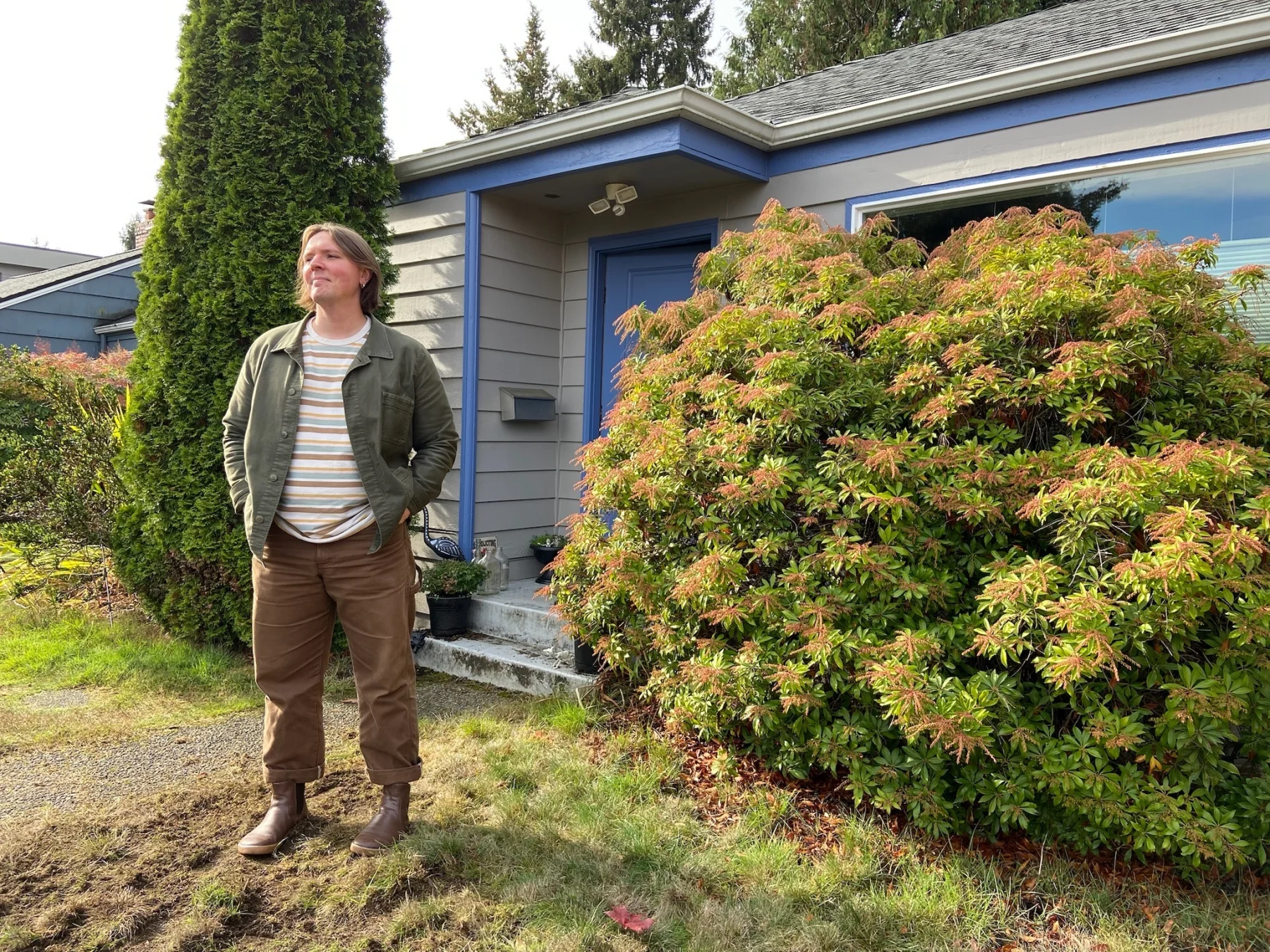
Seth Daphne Esmeson, who lives in Seattle and will soon be 33, decided to put off buying a home, in part because of debts like car payments and student loans.
Jeanne Corbit
hide caption
Jeanne Corbit
“Being in debt and also having to repair things in your house sounds really terrible,” they said.
Esmeson also isn’t convinced that his home equity would outweigh other investments. They like their current rental and owner and are therefore sticking with it for now.
However, it is frustrating that the real estate market worked better for previous generations. “We have the short end of the problem,” they said, and “the gap is widening.”
There is probably only one way for them to purchase. “If I received an inheritance,” they said. But “I love my mother very much and I don’t want to look forward to it, or really want to strategize around it.”
Gn bussni