A myth examined under the microscope: does pulling out gray hair really make it grow back more? Experts give a definitive answer.
While I don’t fear gray hair, I also don’t look forward to the moment when it starts appearing out of nowhere. I’m sure many people know this moment all too well. You wake up one morning, look in the mirror as usual, start your beauty routine and suddenly notice a silver sheen standing out from the rest of your hair. The grays have arrived. Your first, almost instinctive, reaction is to reach for the tweezers, and at that moment, the old warning of our grandmothers no longer rings in your ears: “Don’t pull it out, two more will grow back!”
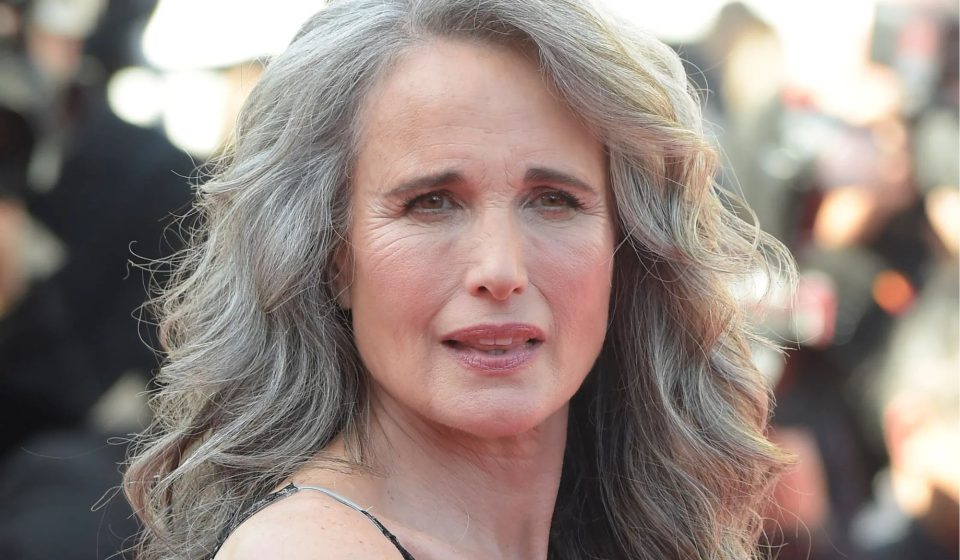
Certainly, some women look stunning with gray hair (just think of the impeccable silhouettes of Andie MacDowell or Sarah Jessica Parker on the red carpet). Yet for many, those first gray hairs remain an unwelcome guest. Before you tackle the first signs of aging hair with tweezers, we asked hair and scalp health experts what they had to say about this age-old beauty myth. They talked about why hair loses pigment, what actually happens when we wax it, and if there’s a way to slow down the aging process without going to the salon.
Why does hair turn gray in the first place?
To understand what happens to plucked hair, you first have to look beneath the surface of the scalp. “Hair color comes from cells located at the hair roots, called melanocytes, which produce melanin. When melanocytes stop producing melanin, gray hair appears,” explains Ana Maletić, MD, PhD, specialist in plastic, reconstructive and aesthetic surgery and respected hair transplant expert (FISHRS, ABHRS diplomat) at Maletić Polyclinic.
Related: You don’t have to dye your first gray hair: these tips will help you hide them
According to Dr. Maletić, natural aging and genetic predisposition are the main reasons why these cells stop working, but daily stress and certain health problems, such as vitiligo, also play an important role. Dr. Lisa Franchi, CEO of LOYA, ” agrees, noting that alongside genetics, oxidative stress is also a major factor. However, Dr. Franchi shares an encouraging scientific finding: “Interestingly, research has shown that some gray hair can regain its color, so aging is not always irreversible. »
Removing gray hair makes it grow back more: myth or reality?
Back to the key question: If we give in to temptation and pull out that unruly hair, will we set off a chain reaction that will cause even more gray hairs to appear? “No, it’s a myth. Each follicle works independently, so pulling out one gray hair will not turn the others gray,” says Dr. Franchi firmly, before warning of the real danger of this habit: “However, repeated hair removal can damage the follicle and lead to thinning over time. And the hair that grows back will probably still be gray.”
Dr. Maletić confirms the same mechanism: “If we pluck out a gray hair, another gray hair can grow from this follicle because the melanocytes in this follicle do not produce melanin. But removing one gray hair does not cause the appearance of several new ones.” In other words, hair removal won’t create an army of new gray hairs, but you risk permanently damaging the root and losing hair density, a price I’m sure you’d rather not pay.
How to prevent gray hair without dyeing?
If tweezers are off the table and you’re not yet ready for regular color appointments or highlights, the question is: can we take preventative measures?
The modern approach to beauty increasingly encompasses holistic care from the inside and targeted scalp care from the outside. Dr. Maletić emphasizes the importance of lifestyle and micronutrients: “To try to reduce hair aging, it is important to consume enough essential nutrients for the prevention of this disease, such as vitamin B12, vitamin D, vitamin E, zinc, iron and copper. We must also try to reduce oxidative stress in the body, for example by stopping smoking, and reduce our stress levels. Additionally, certain scalp treatments have been shown to be effective in reducing gray hair.”
Related: How to Grow Gray Hair Stylishly, According to Hairstylists
Another option is a new generation of hair care products that aim to activate the hair’s natural mechanisms rather than simply covering its pigmentation. “We can’t change our genetics, but not smoking, managing stress, and eating a balanced diet promote healthier hair aging. What I find exciting is that hair care is starting to shift from treating gray hair to supporting hair pigmentation,” says Dr. Franchi. As an example, she cites the philosophy behind LOYA Silver-Away Serum formula, whose anti-gray complex combines a molecule from the Polygonum multiflorum plant with copper, a mineral essential to the functioning of tyrosinase, a key enzyme in pigmentation. “In laboratory tests on cells, the complex increased melanin production by 32%. In a dermatologist-supervised consumer study, 92.9% of 42 participants reported noticing fewer gray hairs after eight weeks of daily use.”
The next time you see a strand of silver in the mirror, put down the tweezers. Whether you choose to embrace it as a symbol of maturity and style or approach it with a thoughtful approach to targeted scalp supplements and serums, your hair and its density will thank you.
Gn Health