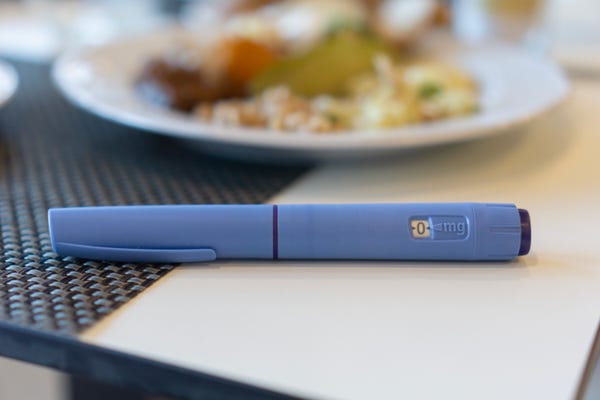
The gym brothers call it “reta”. Eli Lilly calls him the winner.
On Wednesday, the pharmaceutical giant announced the results of the first clinical trial pitting Ozempic against its newest, most powerful, yet-to-be-approved next-generation injectable drug for obesity and diabetes: retatrutide.
Retatrutide won – and it wasn’t even close. Type 2 diabetes patients receiving the highest dose of Ozempic (2 mg) lost an average of 21 pounds over about a year and a half on treatment. Those taking retatrutide lost an average of between 44 pounds (9 mg) and 47 pounds (12 mg) during the same period. Patients also saw greater reductions in their HbA1c levels, a key marker of blood sugar control (2.2% versus 1.8%).
“We believe that retatrutide, if approved, could change the treatment paradigm for people living with type 2 diabetes, obesity and related cardiometabolic diseases,” Eli Lilly’s Kenneth Custer, president of Lilly Cardiometabolic, said in a statement.
They call him “King Kong”
GLP-1 medications reduce appetite and slow digestion. Svitlana Pietukhova/Getty Images
Ozempic (from Novo Nordisk) was the very first drug of its kind: a new peptide that mimics a gut hormone called GLP-1.
Several years later, Mounjaro (by Eli Lilly) was approved, mimicking two hormones, GLP-1 and GIP, and giving better results.
Insiders call Eli Lilly’s retatrutide the “triple G” or “King Kong” for weight loss because it mimics three hormones: GLP-1, GIP, and a third peptide hormone called glucagon, which helps turn stored fat into energy. Some say it could rival bariatric surgery in terms of clinical weight loss outcomes.
Eli Lilly is expected to submit retatrutide to the U.S. Food and Drug Administration for approval in early 2027. If all goes well, it could be available next year, for conditions including obesity, obesity-related sleep apnea and knee osteoarthritis.
In this clinical trial, side effect profiles were generally similar between patients taking Ozempic and retatrutide, but slightly more patients taking retatrutide reported diarrhea, while constipation was slightly more common in patients taking Ozempic. People taking retatrutide also had slightly higher rates of a rare side effect called dysesthesia, triggering sensations of tingling and burning skin.
The clinical trial results have not yet been peer-reviewed or published in a medical journal, but were released as the company prepares to announce quarterly results on Thursday.
Counterfeit reta is already booming on the black market
The drug, which is still in clinical trials, has attracted copycat peptide sellers who ship powders labeled “reta” from abroad, fueling a gray market in do-it-yourself injections. Bodybuilders claim it helps shed fat and reduce appetite, with fewer side effects than other injectable weight loss pens.
But no one really knows exactly what they’re taking, even though their results seem to roughly reflect what happens when people take the real thing in clinical trials.
In an unusual move, Eli Lilly addressed pre-approval black market hype in its release announcing the latest results.
“Retatrutide is an investigational molecule that has not been approved by the FDA or any regulatory agency worldwide,” the company said in a statement. “Anyone who claims to sell retatrutide to consumers is breaking the law.”
Gn bussni