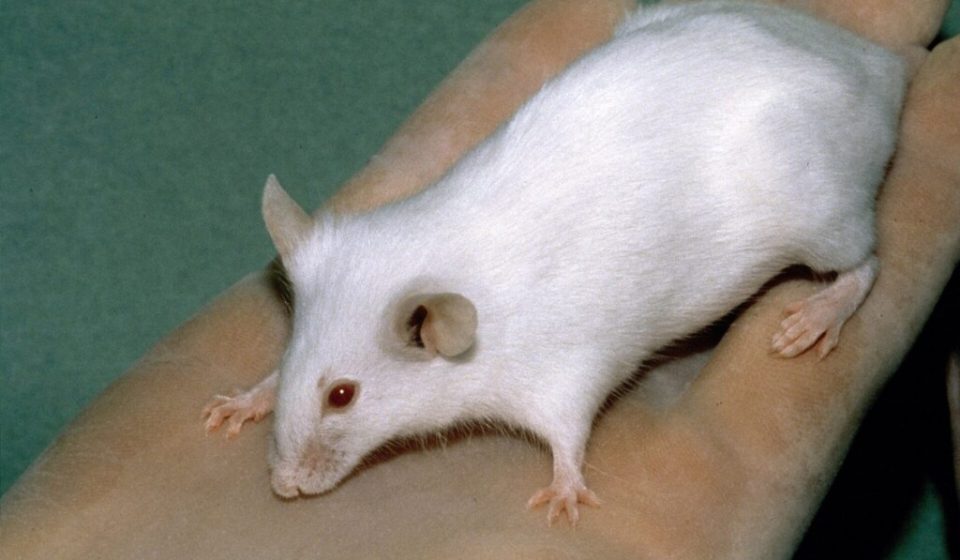
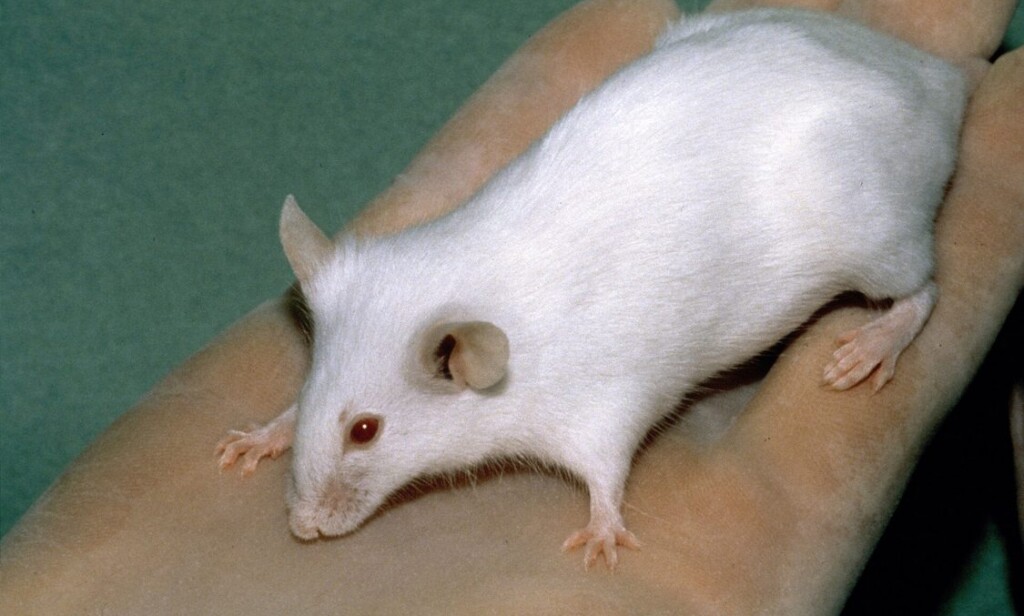
In experiments involving mice, scientists successfully eliminated an aggressive childhood brain cancer while providing long-lasting protection.
UC San Francisco scientists used a new type of immune cell therapy that activates only after entering the brain, allowing it to attack cancer while remaining inactive elsewhere in the body.
When the researchers reintroduced cancer cells a few weeks later, the immune cells continued to fight and prevented new tumors from developing.
The promising results were touted as a “cure” and prompted scientists to quickly prepare for human clinical trials at UCSF Health, which could begin as early as April 2027.
The target of the experiments was diffuse midline glioma (DMG), described by a scientist involved in the project as a “heartbreaking” diagnosis.
Although the treatment’s effectiveness has not yet been tested in humans, there has been considerable optimism about its ability to completely eliminate tumors and prevent their reappearance in mice.
“Diffuse midline glioma is a heartbreaking diagnosis for patients and their families,” said Sabine Mueller, MD, PhD, and director of the UCSF Pediatric Brain Tumor Center. “This preclinical data is very promising. Mice with DMG are being cured, and we are extremely excited to bring this therapy to the children and young adults in our care. This is exactly the kind of innovative approach they deserve.”
MGD is one of the most difficult childhood cancers to treat. It develops in the brainstem, an essential region that regulates breathing, heart rate and swallowing. Almost all children diagnosed with the disease die within a year, and existing treatments have done little to stop its progression.
The experimental therapy, called B-SYNC CAR-T, could offer a new path forward. Unlike conventional CAR-T treatments, which have been shown to fight brain tumors, these engineered immune cells are programmed to activate their cancer-fighting mechanism specifically in the brain.
“It has been difficult to produce CAR-T cells that can overcome DMG without causing unacceptable side effects,” said Hideho Okada, professor of neurological surgery at UCSF and co-corresponding author of the mouse experiment, published in Science Translational Medicine.
“By limiting CAR expression of B-SYNC to when and where it matters – in the brain – we saw consistent and complete shutdown of DMG tumors in the laboratory.”
CAR-T therapy works by changing the body’s T cells, a type of immune cell, so that they carry special receptors called CARs. These receptors recognize proteins in cancer cells and trigger an immune attack, thereby bypassing the natural mechanism of hiding cancer.
Although CAR-T treatments have been shown to be effective against some cancers, brain tumors remain particularly difficult to defeat. Building on Professor Okada’s previous work on CAR-T therapy, the team behind this mouse model identified that brevican, a protein naturally distributed in the brain, could be a promising signal to trigger the CAR-T immune response.
The scientists redesigned a previously tested molecular detection system, called synNotch, so that it triggers CAR production only when it encounters brevican. Once activated, these B-SYNC CAR-T cells could seek out cancer cells carrying 2 tumor-associated proteins called EphA2 and IL13Rα2.
This meant that the modified immune cells no longer relied on a tumor-specific mutation to become active. Instead, they used a protein associated with the brain itself as a signal to begin their attack.
Although B-SYNC was initially developed for glioblastoma, another type of brain cancer, researchers recognized that it might also work against DMG. Both cancers typically display EphA2 and IL13Rα2 on their tumor cells, making them potential targets for the same treatment.
Senthilnath Lakshmanachety, PhD, a postdoctoral researcher in Okada’s lab, conducted experiments to determine whether B-SYNC could be successful in tackling this deadly childhood cancer.
The researchers first delivered B-SYNC CAR-T cells into the bloodstream to mice implanted with human DMG cells. Arriving in the brain, they began producing cancer-targeting CAR receptors and attacking tumor cells.
BRAIN CANCER SURVIVORS: Artist Beats Brain Cancer and Paints Amazing Portraits of Hospital Staff as Thank You Gifts (WATCH)
It is important to note that this activation appears to occur only where expected. B-SYNC cells elsewhere in the body, including those circulating in the blood or present in the spleen, did not produce CAR receptors.
It was “exactly as we designed it,” Lakshmanachety said.
The team then examined whether delivering the treatment directly to the brain would produce more powerful effects. The results were striking. In two mouse models containing human DMG tumors, the treatment completely eliminated the cancer in every mouse tested. In comparison, conventional CAR-T cells have failed to control tumors.
Destroying the original tumors was only part of the feat. The researchers also wanted to determine whether the modified immune cells could remain active and protect against cancer recurrence.
FIGHT CANCER: Antiviral chewing gum reduces risk of certain head and neck cancers to almost zero, new study finds
Nearly 7 weeks after the initial treatment, they introduced another round of DMG cells into mice that had already received B-SYNC. Each treated mouse rejected the new cancer cells, demonstrating that the protective effects of the therapy continued well beyond the initial elimination of the tumors.
Further observations showed that B-SYNC cells remained functional more than 70 days after treatment.
With laboratory results demonstrating both tumor clearance and long-lasting immune activity, the UCSF team is now working to move B-SYNC into human testing.
CAR-T MAGIC: CAR-T cell therapy achieves near complete tumor regression in brain cancer after five days
Okada, Lakshmanachety and their colleagues are collaborating with cancer specialists at UCSF to prepare for clinical trials. The proposed treatment will use each patient’s own T cells, which will be genetically modified to become B-SYNC CAR-T cells.
The transition from laboratory research to clinical trials is occurring relatively quickly, reflecting the encouraging results from animal experiments.
The first trial will be co-led by Dr. Mueller, as researchers plan to evaluate different combinations of intravenous delivery and direct delivery to the brain.
CELEBRATE the news of this unprecedented success against early-stage cancer on social media…
Gn Health