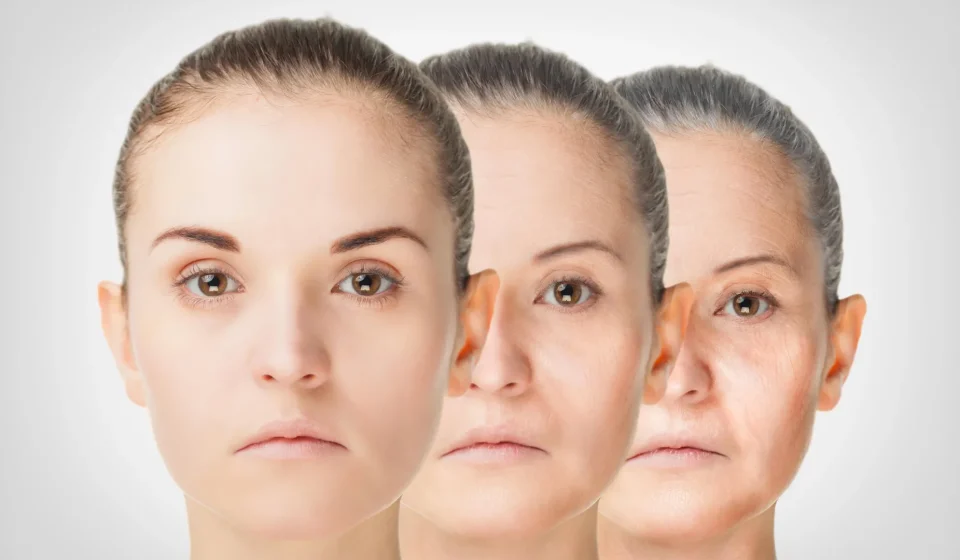
Scientists discover a hidden factor in aging and a simple amino acid that fights memory loss in mice

What if some of the changes we associate with aging started with the loss of a single protein deep inside the brain? Scientists investigating this possibility found that restoring a protein called Menin to older mice improved memory, balance, bone mass and skin thickness in just 30 days. Even more surprising, supplementing the animals with a natural amino acid improved their learning and memory in just three weeks.
The results, initially published in March 2023 in Biology PLOScame from researchers led by Lige Leng of Xiamen University in China. Their experiments identified a previously overlooked link between inflammation, brain chemistry and aging throughout the body. Although the results were obtained in mice, they raise an interesting possibility: Some effects of aging could be influenced by biological processes in the brain that scientists could eventually learn to modify.
Research published since then has proven that the brain plays an important role in regulating aging. He also revealed why the seemingly simple results of the supplements deserve careful interpretation.
How a Hidden Brain Protein May Influence Aging
At the center of the discovery is the hypothalamus, a small but powerful region located near the base of the brain. It helps regulate essential functions such as body temperature, hunger, metabolism, sleep and hormone production. Since these systems affect almost every organ, changes in the hypothalamus can have consequences throughout the body.
Scientists are increasingly recognizing the hypothalamus as an important player in aging. One possible reason is neuroinflammation, the brain’s inflammatory response. Although inflammation helps protect against infection and injury, persistent inflammation can interfere with normal cellular function and contribute to age-related deterioration.
Previous work by Leng and colleagues identified Menin as a protein that helps curb inflammation in the hypothalamus. Menin also participates in the regulation of gene activity, allowing it to influence several biological pathways.
Researchers wanted to understand what happens when this protective protein begins to disappear with age.
They found that Menin levels gradually decreased in some hypothalamic neurons as the mice aged. Interestingly, the same decrease was not observed in astrocytes or microglia, two other important types of brain cells involved in supporting neurons and managing immune responses.
To test whether this decline actually contributed to aging, the team developed genetically modified mice in which Menin could be selectively deactivated.
The results were striking. Mice with reduced menin activity developed greater inflammation of the hypothalamus, thinner skin, reduced bone mass and worse cognitive performance. Their lifespan has also been slightly shortened.
Rather than simply accompanying aging, the loss of Menin appeared capable of contributing to many of its characteristic changes.
Menin Restoration Reversed Multiple Signs of Aging in 30 Days
The researchers then asked an even more interesting question: If Menin’s decline contributes to aging, could restoring the protein reverse some of the damage?
To find out, they used a gene delivery technique to increase Menin production in a specific part of the hypothalamus in older mice (20 months old). This region, called the ventromedial hypothalamus, helps coordinate metabolism, energy balance, and other bodily functions.
Just 30 days after treatment, the animals showed measurable improvements.
Their skin became thicker, their bone mass increased, and their performance improved on tests measuring learning, memory, and balance. Researchers also observed a reduction in inflammation and an improvement in certain metabolic changes associated with aging.
In a separate survival analysis, mice receiving the Menin treatment also lived longer than untreated controls.
These results suggest that certain biological changes associated with old age could be at least partially reversed by restoring Menin activity in a specific group of brain cells.
But the researchers also discovered an important clue about how Menin produced these effects.
A simple amino acid offers a surprising clue
When Menin levels decreased, researchers noticed that concentrations of D-serine, an amino acid involved in brain signaling, also decreased.
Amino acids are best known as the building blocks of proteins, but some serve other important functions. D-serine helps regulate NMDA receptors, specialized proteins on nerve cells that are essential for communication between neurons, learning and the formation of memories.
D-serine is closely related to L-serine, an amino acid commonly found in foods such as soy, eggs, fish and nuts. The two forms have different biological roles. Although D-serine is also available in dietary supplement form, consuming regular serine-rich foods is not the same as taking the form used in the experiments.
Further investigation revealed that Menin helps control the production of PHGDH, an enzyme involved in the biochemical pathway that generates serine (which was in turn regulated by Menin). When Menin activity decreased, this pathway became less active, thereby reducing the amount of D-serine available to the brain.
Restoring Menin increased D-serine levels in the hippocampus, a region particularly important for learning and memory.
This connection suggests that the cognitive effects of Menin decline could be partly explained by disruptions in D-serine signaling.
To directly test this idea, scientists gave older mice D-serine in their drinking water for three weeks.
The supplementation improved their performance on learning and memory tests, even without directly restoring Menin.
There was, however, an important distinction. While increased Menin improved both cognitive function and physical signs of aging, D-serine supplementation primarily improved cognition. It did not restore age-related losses of bone mass and skin thickness.
This difference suggests that Menin influences aging through several biological mechanisms, with D-serine accounting for only part of its effects.
Further research strengthens link between brain and aging
Since the original discovery in 2023, additional studies have proven that the hypothalamus helps coordinate aging throughout the body.
In a 2024 study published in Cellular metabolismResearchers at the University of Washington School of Medicine have identified a different group of hypothalamic neurons that communicate with fatty tissue. By maintaining or stimulating this communication pathway, they increased physical activity, improved age-related metabolic function, and extended the lifespan of mice.
This work involved a different protein and neural circuit than Menin’s, but supported the broader idea that signals from the hypothalamus can influence how the rest of the body ages.
Another 2024 study in the Journal of Physiology and Biochemistry provided additional insight into Menen itself. The researchers found that increased Menin helped protect cultured hippocampal cells from inflammation and a form of programmed cell death triggered by exposure to the stress hormone corticosterone. Although these laboratory experiments did not establish an anti-aging effect, they supported the idea that Menin has important protective functions in brain cells.
An even bigger picture emerged in January 2025, when scientists published a detailed analysis of about 1.2 million mouse brain cells in Nature.
Researchers found that some of the brain cells most susceptible to aging were concentrated around the third ventricle, a fluid-filled cavity located in the hypothalamus. Many aging cells showed reduced activity in genes involved in normal neuronal function and increased activity in genes associated with inflammation and immune responses.
These results highlighted the hypothalamus as a potential center of vulnerability during brain aging, although they did not directly test the Menin pathway.
New discoveries in 2026 reveal more aging pathways
Research published in 2026 further strengthened the link between hypothalamic activity and longevity.
In a study published in CellScientists found that strengthening daily biological rhythms in a specific hypothalamic region improved several measures linked to aging and extended the lifespan of male mice. The intervention also reduced estimates of biological age based on DNA methylation, chemical modifications of DNA that change with age.
Another study from 2026 in Cellular metabolism identified a protein called Mimecan that helps skeletal muscles communicate with the hypothalamus and brown fat, a specialized tissue involved in generating body heat. Restoring circulating levels of Mimecan in older mice improved this communication and prolonged lifespan.
Together, these findings suggest that aging involves complex communication between the brain and the rest of the body. Rather than relying on a single master switch, multiple neural circuits, hormones, and metabolic signals appear to help determine how age-related changes unfold.
Could D-serine supplements protect the human brain?
The possibility of improving memory with a relatively simple amino acid is particularly interesting. However, evidence that D-serine can reverse age-related cognitive decline in humans remains limited.
A small randomized clinical trial published in 2016 tested D-serine in 50 healthy older adults. Participants performed better on an assessment of spatial learning and problem solving after receiving the amino acid, but researchers did not find significant improvements in other cognitive tests or mood measures.
More importantly, subsequent research suggests that the effects of D-serine depend on biological circumstances.
In an April 2025 study published in Cellular and molecular life sciencesscientists studied D-serine in mice genetically modified to develop characteristics of…
Gn Health