
Screen time during childhood linked to surprising brain benefit in adolescents, finds 8-year study: ScienceAlert

For young families, screens are both a blessing and a curse.
Tablets, phones, computers and televisions make it easy to keep children entertained and occupied, but research suggests that screens can lead to troubling behaviors in children, potentially delaying their development and posing a number of health problems as they grow.
Insufficient levels of physical activity are also linked to poorer cognition in children. So it’s conceivable that if screen time prevents them from exercising, it could affect their cognitive abilities, not just their physical development.
(However, if you’ve ever tried to take the iPad away from a toddler, you’ve probably observed their profound physical strength.)
Although previous research has explored the links between children’s physical activity, screen time, and cognition, we still don’t know much about how these behaviors accumulate throughout childhood and relate to cognitive performance in adolescence.
In a new study in Pediatric Exercise Scienceresearchers sought to fill this gap – and the results might surprise.
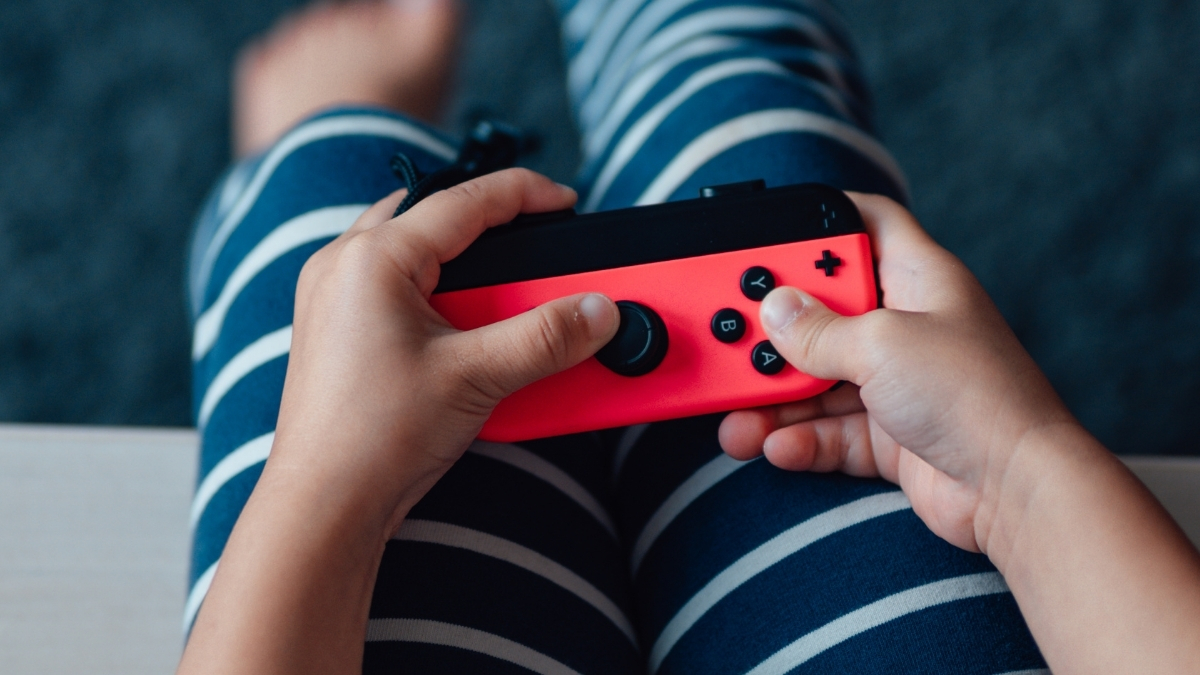
In the study, researchers analyzed eight years of data collected from 260 children (136 boys and 124 girls) who participated in a larger research project called the Finnish PANIC study, which began when the children were around eight years old, and follow-ups ended around age 16.
As part of the PANIC study, researchers recorded children’s physical activity levels, sedentary time and screen time, from questionnaires during the study and using data from wearable activity trackers worn by participants.
Additionally, in the final follow-up session, participants completed a series of tests to assess their cognitive function, including memory, attention, reaction time and other factors.
Results showed that children who reported more cumulative screen time over the course of the study tended to perform better on cognitive tests in adolescence, with higher overall cognitive scores and faster reaction times on two working memory tasks.
“We shouldn’t view screen time only as harmful,” says Petri Jalanko, a practicing researcher at the University of Jyväskylä in Finland.
“The results suggest that screen time may support the cognitive processing of children and adolescents. Presumably, the key point here is the kinds of things they do during their screen time.”
This distinction is well observed.
Previous research has suggested that how screens are used matters more than just the amount of time spent using the devices, and we know that certain forms of screen time, such as playing video games, appear to confer benefits to children.
Similarly, researchers suggest that some screen time may include activities that improve cognition, such as playing video games, while other sedentary activities, such as reading, writing, and doing homework, may also be beneficial.
On the other hand, the familiar parental refrain “get out and exercise” may not be as wise as we like to assume.
In the study, researchers found a tentative association, particularly among boys, that unsupervised physical activity was linked to lower performance on one of the cognitive memory tests.
Although the link in the group as a whole was not significant after further statistical analysis (although it held in boys), it could suggest that unstructured physical activity may be time-consuming compared to other activities that may improve cognition, such as reading, writing, and homework.
And maybe even, ironically, some good old screen time.
The results are reported in Pediatric Exercise Science.
This article was fact-checked by Rebecca Dyer and edited by Rebecca Dyer. Although we are proud of our process, we are only human. If you spot an error, please let us know.
Gn Health