Sexually violent predator removes GPS, disappears in Rancho Bernardo – San Diego Union-Tribune

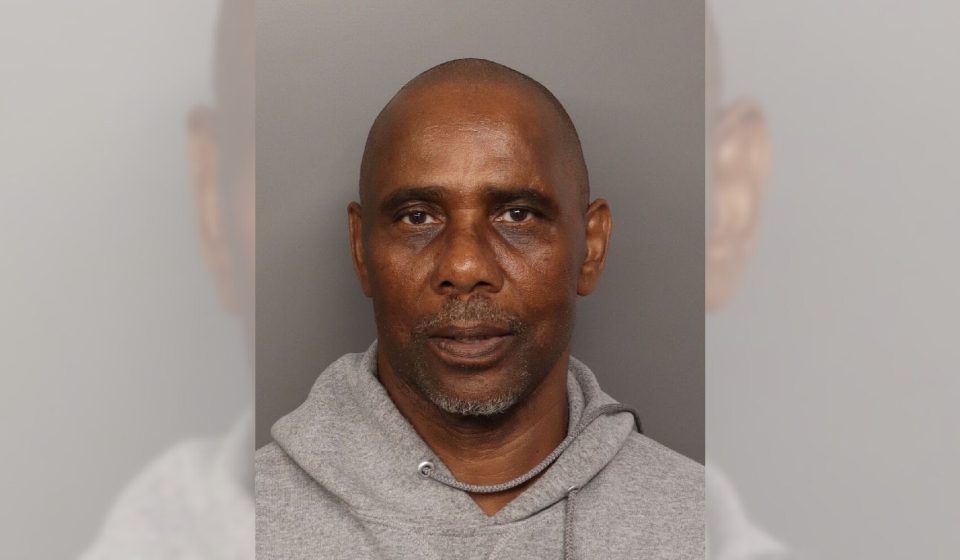
A man who was legally designated as a sexually violent predator removed his GPS device and disappeared overnight in Rancho Bernardo — the first time a county SVP has done so — authorities said Friday.
Around 3:30 a.m. Friday, Merle Wakefield’s device was alerted to “sabotage mode” while he was working in a warehouse, sheriff’s Lt. Aloha Peters said. Peters said in a news release that by the time someone from Liberty Healthcare arrived, the company signed on to supervise Wakefield, its GPS had been removed and the 69-year-old man was missing.
Liberty Healthcare notified San Diego police and the sheriff’s office. Sheriff’s officials advised the public not to approach or make contact with Wakefield, but to call 911 or local police.
Authorities did not say what time Liberty Healthcare staff arrived to find Wakefield missing. The Department of State Hospitals, which hired Liberty Healthcare to oversee the parole program, said Friday that privacy laws prevent it from commenting on current or former patients. In general, it is specified, people participating in the program are monitored by GPS in real time. Liberty Healthcare could not immediately be reached for comment Friday.
Wakefield was convicted in 1981 of committing lewd acts on a minor under 14, then convicted in 1990 of rape by force, violence or fear, according to the district attorney’s office. After his release from prison in 1998, he was officially designated as a sexually violent predator and committed to the Department of State Hospitals for treatment.
Sexually violent predators, or SVPs, have been convicted of a sexually violent crime and diagnosed with a mental disorder that makes them likely to reoffend. It’s a relatively small group — less than 1 percent of the state’s sex offender population — and they are court-ordered to live in a state hospital after serving their prison term. At the hospital, they can choose to participate in a treatment program that could eventually lead to parole into the community, under strict restrictions.
Wakefield was undergoing treatment at a state hospital when he successfully applied to be part of the parole program.
It is notoriously difficult to find housing for people designated as sexually violent predators, and people are usually relocated to the county where they committed their crimes.
When Wakefield won his bid for release at the end of 2024, no accommodation could be found. He was initially ordered to be released temporarily, but under 24-hour personal supervision. However, by the time he was released from the hospital the following month, authorities were able to place him in a home in Jacumba Hot Springs. Most recently, Peters said, Wakefield lived in Campo, but it was not immediately clear how long he had lived there.
Two years ago, the California State Auditor released a study on the parole program. According to the audit, the state spent $93 million to house and monitor the 56 program participants who were allowed to live in the community, an average of $1.66 million per participant.
According to the Department of State Hospitals, if a person absconds from the parole program, protocols require immediately notifying law enforcement to help search for the person. The local prosecutor, the state Department of Justice, state parole officials and the superior court are also notified.
Staff writer Caleb Lunetta contributed to this report.
Gn usa