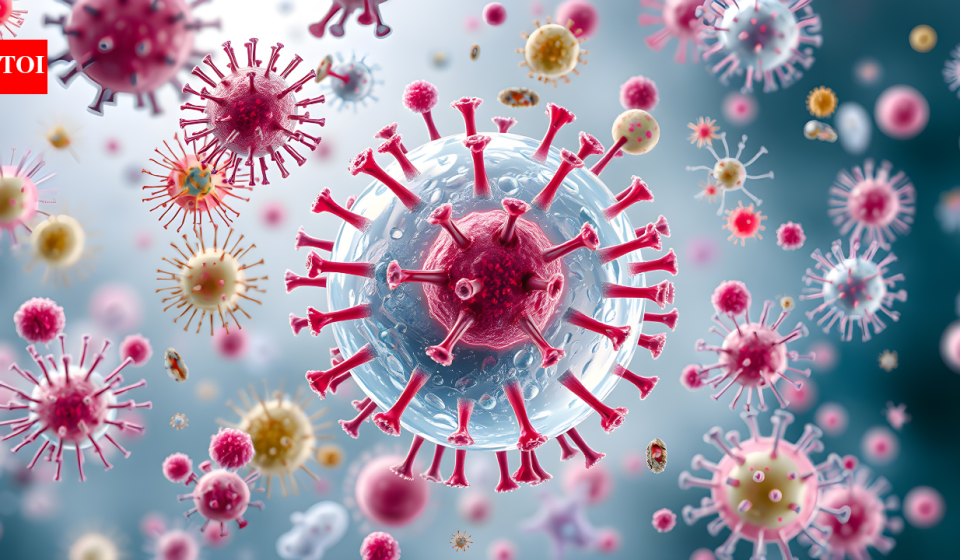
Shamonda virus: first human case reported in France after decades of animal infections; doctors explain the symptoms, how they are spread, potential health risks and precautions people should know

According to the World Health Organization (WHO), Shamonda virus belongs to the Peribunyaviridae family and the Orthobunyavirus genus. It is closely related to Schmallenberg virus and mainly affects cattle, sheep, goats and horses.
The virus was first isolated from cattle in Nigeria in 1965 and was later reported in parts of Africa and Japan. In 2026, it was detected in European livestock, notably in Germany and Switzerland.
The first reported human infection marks a significant development. However, decades of known circulation among animals without documented human cases suggests that its ability to infect humans requires further research.
TOI spoke to Dr Palleti Siva Karthik Reddy, MBBS MD general medicine, FAIG, consultant physician at Elite Care Clinic, who explained, “The recent detection of the first documented human infection in France is remarkable as the virus was not previously recognized as a cause of human disease. The patient suffered from severe immunosuppression and was treated for a serious underlying illness before subsequently dying.
Gn Health