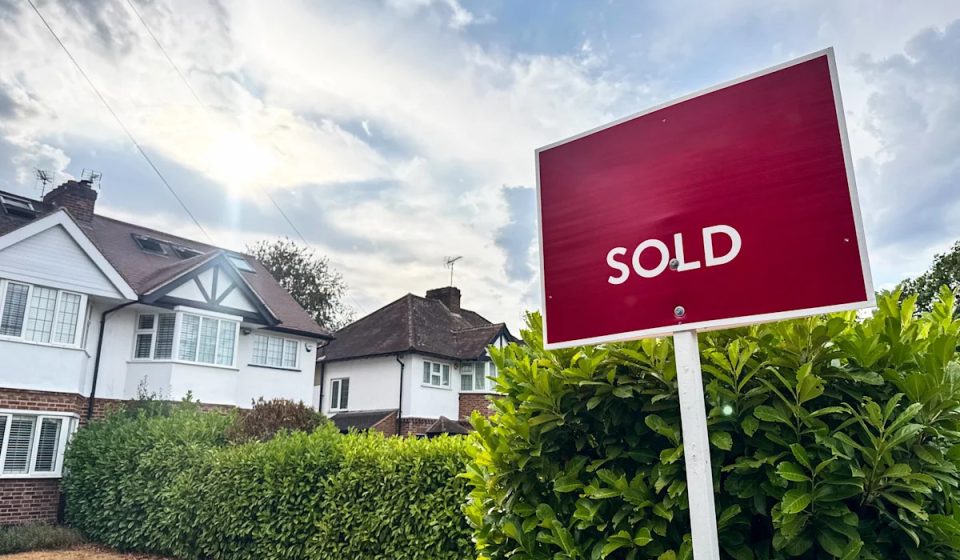

For most of the last decade, sellers named the terms and buyers rushed to meet them.
This arrangement is falling apart, and one of the clearest signs is who is now paying to make the buyer’s loan cheaper. Home sellers granted concessions in 44.7% of U.S. sales in August, the highest share for that month since at least 2020, according to Fortune.
Silver became more expensive and buyers quickly felt it. With rates well above 7%, a seller participating in the loan can actually do more for the buyer’s budget than a small reduction in the asking price.
Also read: Jeff Bezos has a direct answer to why housing is so expensive
Rising rates give leverage to buyers
Freddie Mac’s weekly survey tells the same story. The average 30-year fixed rate remained at 7.40% as of October 15, compared to 6.27% a year earlier, Freddie Mac reported.
This gap of more than a percentage point has reshaped what a typical household can afford, leaving many potential buyers on the sidelines.
Fewer people are even applying. Mortgage applications fell in the week ending Oct. 9 as rates rose, and purchase loans fell along with refinancing. More borrowers also opted for variable rate loans, bringing this share to its highest level since October 2025.
The monthly cost of this climb is easy to see. The Senate Banking Committee staff for Sen. Elizabeth Warren (D-Mass.) estimated that a typical buyer now pays about $361 more per month than at the end of February, TheStreet reported.
Sellers also adjust their asking prices. A record share of active September listings saw price declines in the four weeks ending Sept. 20, according to TheStreet, which reviewed data from Redfin.
Denver led major metros in reductions, while San Francisco, buoyed by wealth generated by the AI boom, had the lowest share.

How a Seller-Paid Buyout Really Works
Here’s how it plays out at the closing table. A lump sum is paid up front to the lender and the borrower gets a lower rate in return, sometimes only for the first year or two and sometimes for the life of the loan.
If the seller writes this check, the buyer’s payment decreases and the buyer never pays the discount.
There is a trade-off that buyers need to understand before signing. A seller financed buyout does not reduce the agreed purchase price. Compared to a deal closed at a lower price, the buyer walks away with a lower payment but starts out owing more on the loan.
Redfin counts rate buyouts as well as money for repairs and closing costs when it tracks seller concessions. About 15.8% of homes sold in August received a price cut in addition to a concession, a record for that month. In other words, a significant slice of buyers now have help on both fronts.
Gn bussni