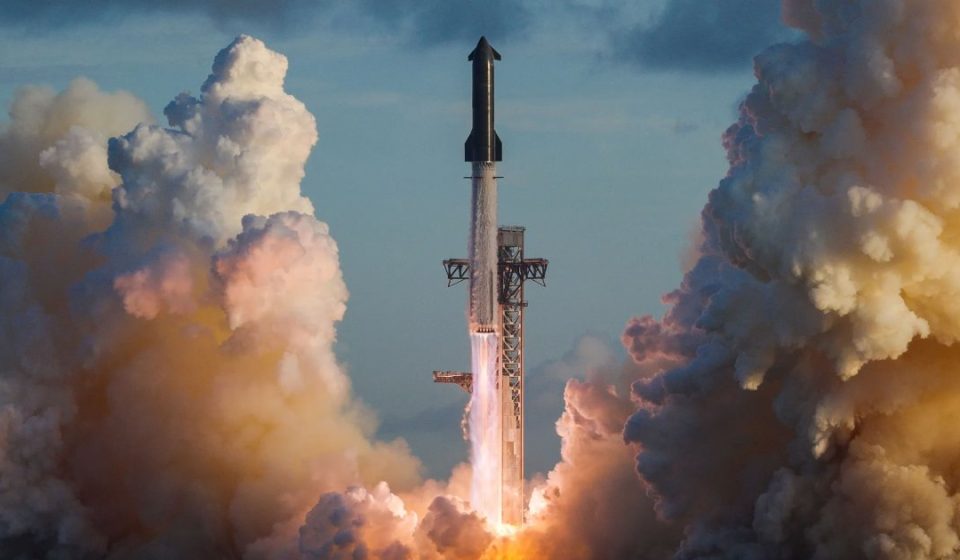
SpaceX lenders are horrified by Elon’s genius idea to blast billions of dollars of advanced AI chips into space

Elon Musk’s latest venture involves launching potentially billions of dollars’ worth of cutting-edge AI chips into space.
Starting in late 2025, the richest man in the world began promoting the ridiculous idea of putting AI data centers into orbit. Although humanity has decades, if not centuries, to decipher the physics of this fantastical concept, Musk has only become more enamored with the idea with the success of SpaceX’s public market debut.
If he ever chose to pull the trigger on his orbital data centers, Musk would undoubtedly rely on the company’s new collection of Nvidia chips, funded by a massive loan from a cohort of the world’s most powerful banks.
The banks that rely on these chips as collateral for SpaceX’s debt, however, are rightly mortified.
New report from Financial Times revealed that lenders backing a $43 billion SpaceX debt program – secured by the company’s cache of physical AI chips – attempted to block any attempt by Musk and his board to greenlight chip launches.
Since no one has ever attempted such a feat, SpaceX lenders would basically consider any chips thrown into the stratosphere lost, anonymous insiders told the FT. It’s not hard to see why: Even if the chips arrive in orbit safely, physically taking them back in case SpaceX defaults on its $43 billion loan would be a logistical nightmare.
While the contents of the final debt agreement led by Apollo and Goldman Sachs are unknown to the public, the FT notes that an earlier proposal contained language allowing banks to legally challenge Musk’s orbital ambitions.
On a technical level, space data centers are an absurdity, to say the least. Each satellite would require huge solar panels to power the low-gravity cooling pumps needed for heat dissipation, and if anything goes wrong, they’re a planet away from the nearest computer technician. This is to say nothing of the regulatory obstacles associated with transmitting so much data, nor of the impacts of solar radiation.
Learn more about SpaceX: SpaceX stock slides after what should have been its moment of triumph with Starship
Gn bussni