
A possible merger between Space Exploration Technology Company (SPCX +7.80%) And Tesla (TSLA +3.41%) the rumor has been circulating for months. Ever since Elon Musk took his space and technology conglomerate public, investors have been planning to bring his electric vehicle and battery business into the fold. One public company for all of Musk’s efforts – more or less.
After the publication of SpaceX’s results on Tuesday October 20, 2026, the idea seems to have real success.
Musk told investors that the two companies had formed special committees made up of independent directors to study such a merger, although he said he could not participate in those discussions because he was a “conflicting party.” Still, his point of view was clear: “Do I think this would be a good idea? Yes.”
SPCX Space exploration technologies
$159.31+$11.52 (+7.80%)
NASDAQ · At 4 p.m. ET on 10/21/26
At this stage, this is still exploratory and no details about a possible deal have been revealed; Investors should be aware that even if a merger is proposed, it does not mean it will be approved by shareholders. While Musk has majority control over SpaceX, Tesla is a different ball game.
SpaceX’s AI growth comes with massive spending
SpaceX released a strong third-quarter report on Tuesday. Revenue reached $14.6 billion, up 161% from the previous year, and net profit reached $4.4 billion. Both exceeded Wall Street targets.
The AI sector has been the main driver of growth, thanks to its AI computing contracts. The unit’s revenue reached $7.6 billion, almost triple its second-quarter revenue. Starlink also remains a major driver and strong source of profits: the connectivity segment generated an operating profit of $2.4 billion.
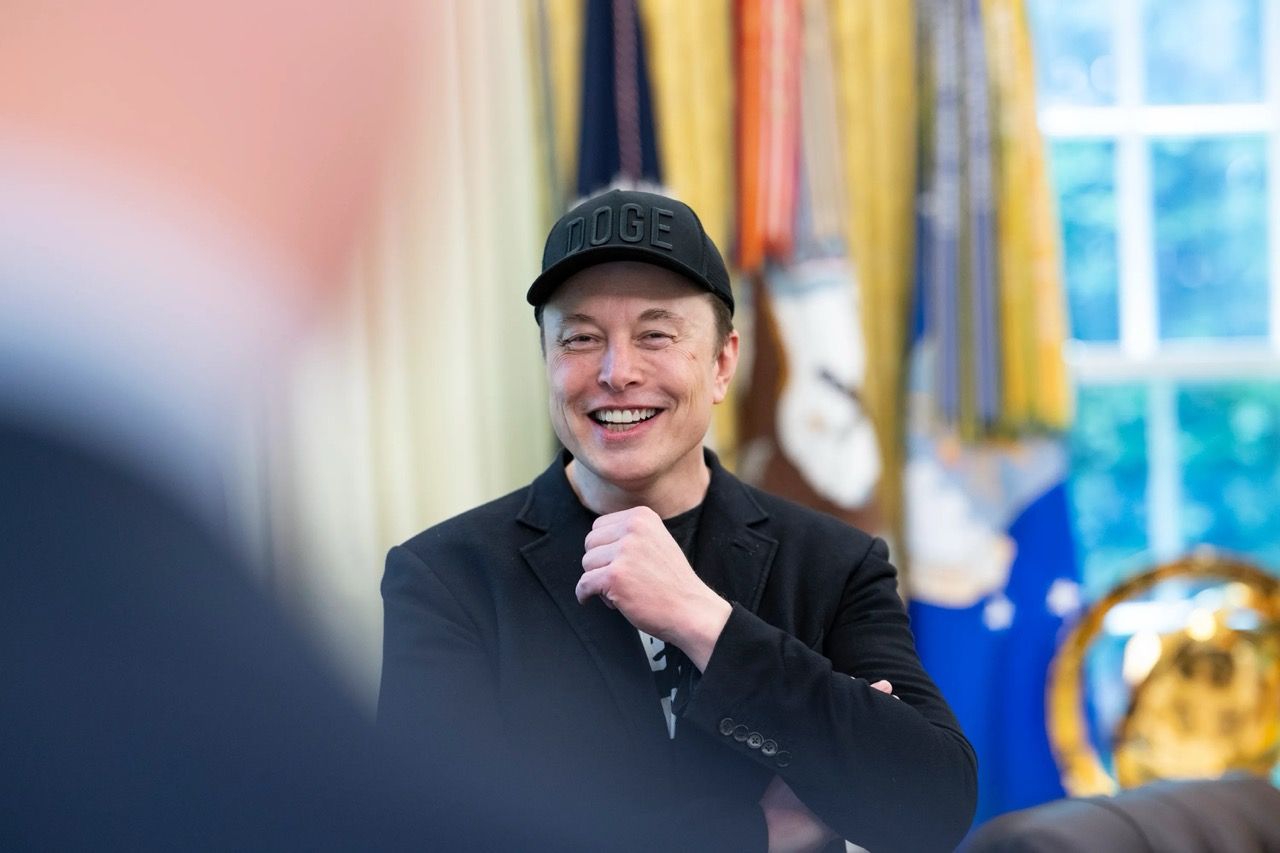
Image source: The White House.
Of course, this growth comes with a huge bill. SpaceX spent $19.6 billion in capital expenditures during the quarter and plans to spend an additional $35 billion to $40 billion in the fourth quarter.
Tesla profits fall as robotaxi operations expand
As expected, Tesla had a much more mixed quarter. Revenue was essentially flat year-over-year at $28 billion, while net income fell 43% to $787 million. Vehicle deliveries declined slightly and operating expenses increased as the company continued to focus on AI and robotics.
There have been some bright spots operationally: Tesla launched Cybercab in Austin in September and said “cumulative unsupervised Robotaxi miles increased eight-fold quarter-over-quarter.” It also began producing Optimus robots on its Fremont production lines.
The cash position has also improved, with Tesla generating about $1.5 billion in free cash flow (FCF) – the money left after operating expenses and capital expenditures. It was negative in the previous quarter.
What a SpaceX-Tesla merger would mean for shareholders
So, will there be a merger? I think there will probably be one on the table. I think this might be harder to achieve than some investors think. First, will Tesla shareholders agree? And if so, how might regulators respond? I could imagine a merger being subject to scrutiny.
Of course, the first question will be about the details. For my money, investors should judge any proposal on its price and what it would do for the company they already own.
Gn bussni