Stopping drinking alcohol changes the brain and may increase risk of compulsive drinking – new research in mice

For some, abstaining from alcohol can subsequently increase compulsive drinking. Our research team discovered that, in abstinent mice, this urge to drink is preceded by changes in the activity of a particular region of the brain, suggesting potential new screening opportunities to identify and help those most vulnerable to relapse.
Although abstinence from alcohol is associated with better health outcomes, addiction researchers have hypothesized that brain changes that occur during abstinence may increase a person’s risk of relapse.
To explore this theory, we studied the behavior of mice after giving them long-term voluntary access to alcohol followed by a period of forced abstinence. We found that a subset of mice developed aversion-resistant drinking – that is, they now drank alcohol despite the quinine we added to make it increasingly bitter. Additionally, compared to those that did not undergo forced abstinence, these mice drank even larger amounts of very bitter alcohol. These findings suggest that there are potential physical challenges associated with abstinence that contribute to alcohol use disorder relapses.
Advertisement
Advertisement
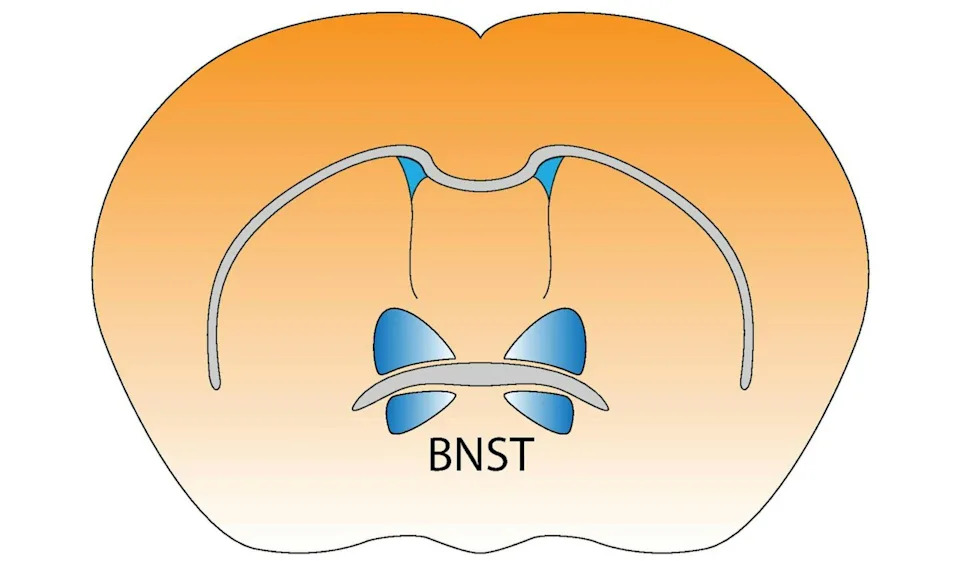
Next, we monitored the activity of a particular set of cells in a part of the brain known as the bed nucleus of the stria terminalis, or BNST. Researchers have already found that this small structure is strongly involved in the symptoms of alcohol use disorders, such as anxiety and depression.

We found that allowing abstinent mice to re-enter the environment where alcohol was previously available would cause them to attempt to drink even if the spout only contained water. These attempts were associated with BNST activity. Abstinent mice that had developed a taste for very bitter alcohol had more than double the activity in this area of the brain compared to mice that had not undergone forced abstinence.
Importantly, we saw activity in the BNST even before providing access to bitter alcohol to abstinent mice. This finding suggests that it may be possible to identify people at risk of relapse by screening for BNST activity when a person has access to alcohol.
Why it matters
Alcohol abuse is one of the leading public health challenges in the United States. Although this disease is linked to a wide variety of negative health effects, the public chronically underestimates its severity.
Advertisement
Advertisement
Deaths associated with alcohol consumption in 2024 were 4.5 times higher than deaths attributed to opioids. Although harm reduction – a major component of opioid use disorder treatment – is studied in the context of alcohol use disorder, abstinence remains a mainstay of most approaches to this addiction.
More than 80% of Americans ages 12 and older consume alcohol at some point in their lives, and about 10% subsequently suffer from alcohol use disorders. This 10% represents nearly 30 million people in need of treatment.

Unfortunately, clinicians are ill-equipped to predict who will need help. Although there are Food and Drug Administration-approved treatments for alcohol use disorder, the number of people diagnosed with this condition remains very high. In fact, these numbers have actually doubled in the United States since 1999.
Developing better strategies to identify people at risk for developing an alcohol use disorder and helping them navigate treatment strategies may improve treatment.
What we still don’t know
It is unclear what exact role the BNST area of the brain plays in alcohol use disorder behavior. It is also unclear what drives the increased activity, or which specific populations of brain cells within the BNST code for this activity. Obtaining these answers could lead to new therapeutic targets.
What’s next
New tools in neuroscience have allowed researchers to manipulate the activity of specific neurons in the brains of mice. Using these strategies, our team is working to understand the role BNST plays in alcohol consumption despite its harmful consequences.
Advertisement
Advertisement
Our colleague Jennifer Blackford is also studying BNST activity in the brains of people with alcohol use disorders who are early abstinent. If his team observes similar results in humans, the next step would be to continue testing using BNST as a screening method in clinical trials.
THE Research summary is a brief overview of interesting academic work.
This article is republished from The conversationan independent, nonprofit news organization bringing you trusted facts and analysis to help you make sense of our complex world. It was originally released on August 14, 2026.
It was written by: Danny G. Winder, UMass Chan School of Medicine And Mary Doyle, UMass Chan School of Medicine
Learn more:
Advertisement
Advertisement
Danny G. Winder receives funding from the National Institutes of Health.
Marie Doyle receives funding from the National Institute of Alcohol Abuse and Alcoholism.
Gn Health