


Want to bookmark your favorite articles and stories to read or view later? Start your independent membership today.
Join us today
Already a member? Log in
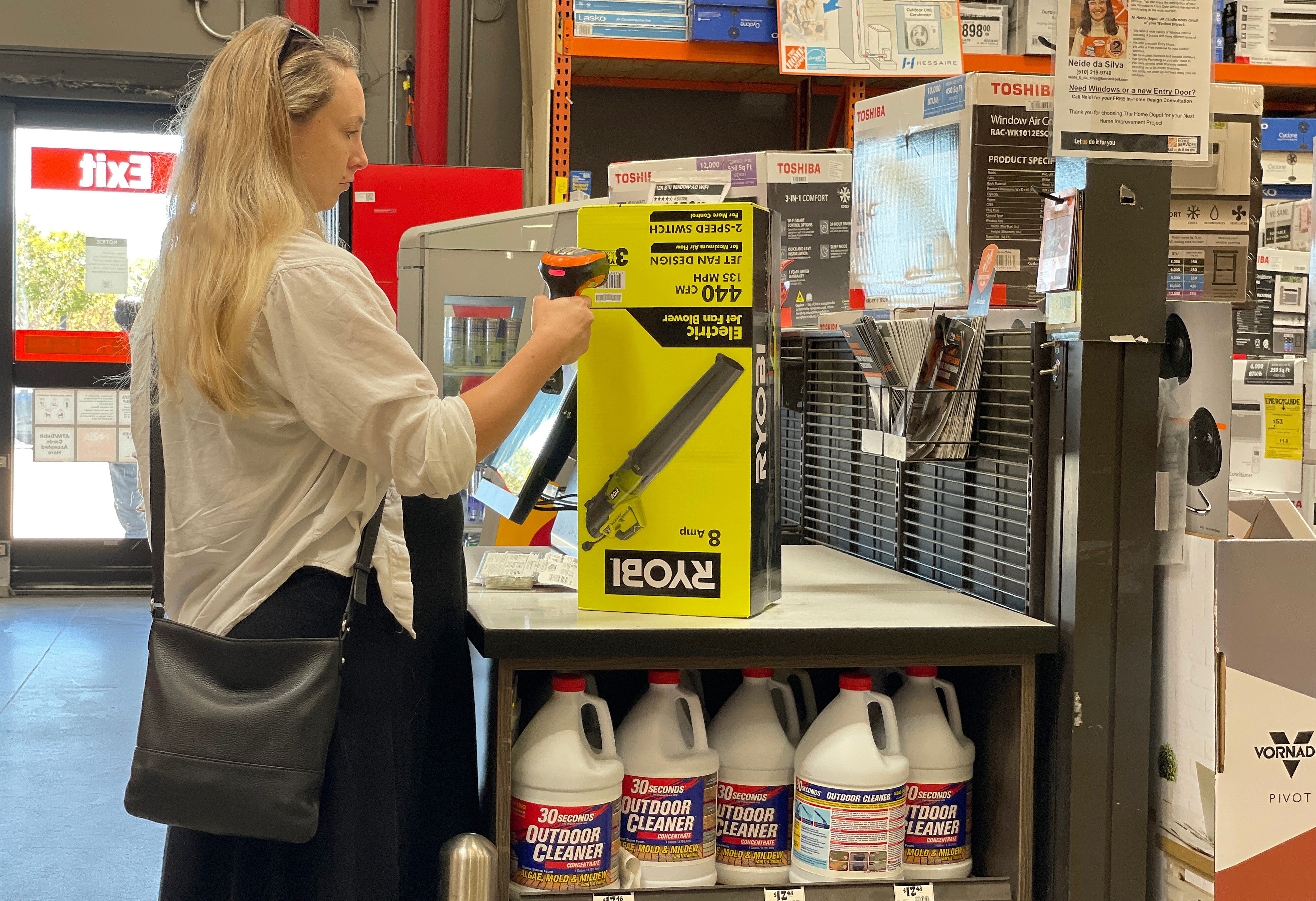
Stores are cutting back on self-checkout lines — and shoppers aren’t crazy about it.
About a third of 340 small and medium-sized retailers (36%) reported using self-checkout this year, up from 43% in 2025, according to an April survey by Toast, a point-of-sale and restaurant management platform.
This self-checkout overhaul comes even as three-quarters of convenience, grocery and bottle shops surveyed said they would continue to invest heavily in other technologies, including, of course, AI.
As retailers highlight problems with self-checkout efficiency and theft, social media is also full of shoppers expressing their frustrations, whether it’s having to scan and bag their own purchases — tasks traditionally done by employees — or being subjected to loud and sometimes embarrassing messages from machines.
An angry user
“I handed it to him, but I’m just standing there thinking…wait a minute. You trusted me enough to do the cashier’s job, but now you have to check my work before I can leave? If you don’t trust customers to scan their own stuff, maybe don’t do a self-checkout in half the store,” he fumed.
“I’m not mad at the clerk. He’s just doing his job. But someone needs to explain how I became both a cashier and a suspect.”
Others on social media complained about feeling watched by store employees or surveillance cameras when using the self-checkout system.
“I hate it when Target and Walmart employees stare at me at the self-checkout,” one user wrote.
“Like bitch, you can do this yourself! Why am I doing YOUR job while YOU watch me scan my own groceries and take my money?” » wrote another X user.
There is little data on whether shoppers overall prefer self-checkout or a human cashier. A common benefit of self-checkout is avoiding interaction with other people, especially after a long day or when you’re not in the mood to chat. But for others, it’s precisely the lack of human interaction that is the problem.
“There is nothing wrong with self checkouts. Some of us don’t like waiting in line like cattle when we just want 2 or 3 items,” one user wrote Wednesday. “Many employees would like the opportunity to be productive in ways other than just analyzing consumers all day. It’s best to have both options.”
A popular argument in favor of traditional cashier roles is to let humans keep their jobs instead of losing them to machines or robots.
“They installed a self-checkout system at my local Publix a few months ago and I refuse to use them. I’ll wait in line for a human to do the work. Do you know why? These cashiers’ schedules are based on the productivity of their lines, so to speak,” another X user said Tuesday. “If you can help show the store that these lines are still necessary, these lovely old ladies will be able to keep their jobs.”
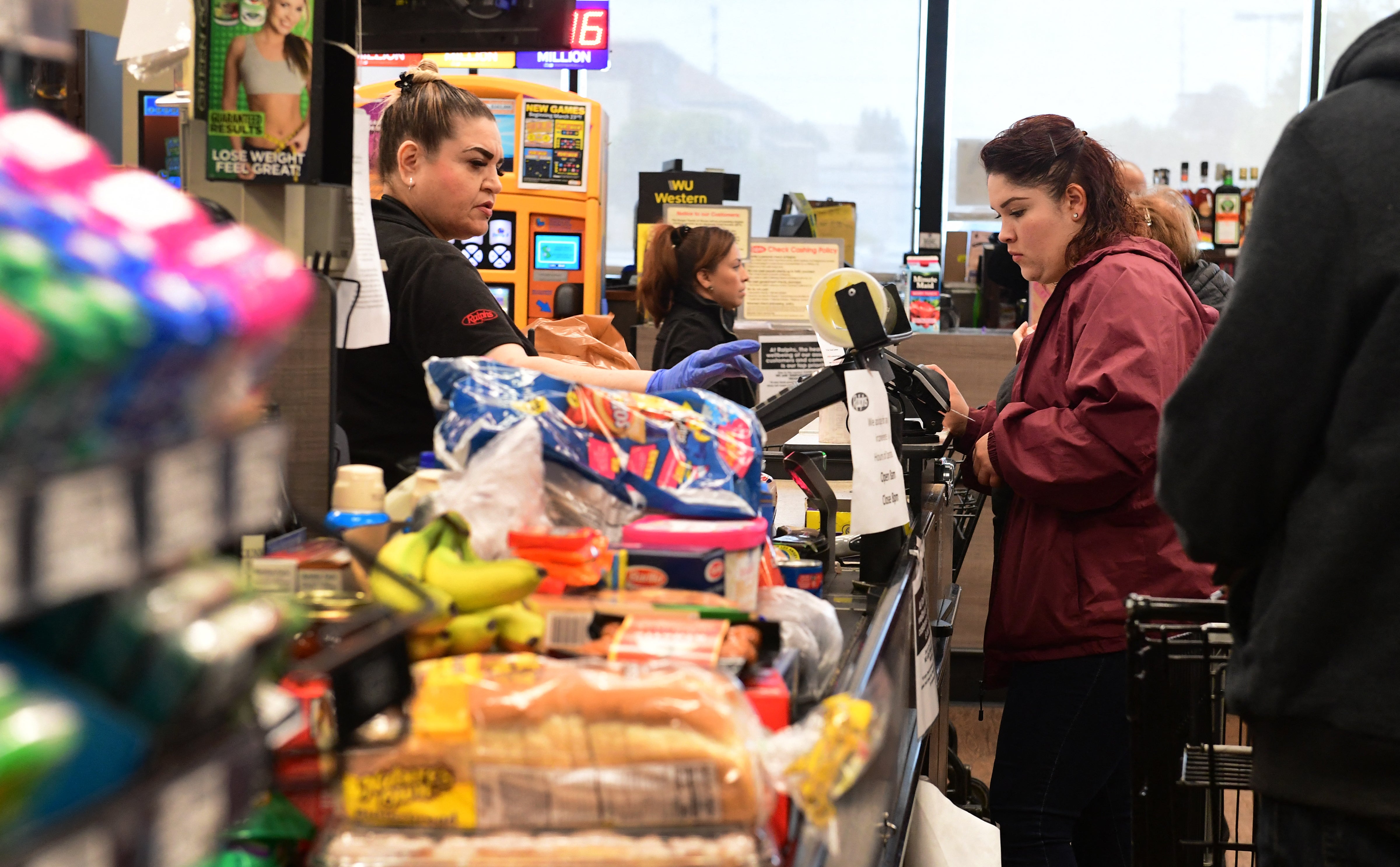
Retailers have reported increasing losses linked to self-checkouts.
A June report from ECR Retail Loss, a retailer-backed research group, found that grocery stores experienced an average 22% increase in merchandise losses in the year after self-checkouts were installed. These losses include both theft and accidental errors, such as missed scans and incorrect product selections.
Grocery stores with self-checkouts experienced 33% higher average losses than stores without them, according to the report.
In 2024, some major retailers began limiting the number of items customers could bring to self-checkout – Target setting a 10-item limit nationwide and Walmart testing a 15-item limit in some stores. Supermarket chain Schnucks has limited self-checkout to shoppers with 10 items or fewer.
Other retailers have cut back on self-checkout due to concerns about “shrinkage,” a metric that includes theft but also accidental errors, damaged merchandise and other inventory discrepancies. Dollar General eliminated self-checkout at about 12,000 stores in 2024, while Five Below also reduced its use of the technology that year.
Some local communities have taken their own measures. In Long Beach, California, a 2025 ordinance required stores offering self-checkouts to limit lanes to 15 items and maintain at least one staffed checkout counter.
According to the Toast survey, part of the withdrawal of self-checkouts appears to be linked to a question of efficiency. Some 31 percent of operators cited simplifying operations among their top three business goals, an increase of 12 percentage points from the previous year.
A quarter of those surveyed cited the use of new technologies. Retailers are investing in technology that can reduce manual labor and give them more control over pricing and orders. Digital shelf labels make price changes faster and easier, while ready-to-order boards help streamline the order picking and distribution process.
Electronic shelf labels increased 11 percentage points year-over-year, while the use of ready-to-order boards increased 9 points, according to the survey.
Retailers are increasingly experimenting with AI in large numbers: 88% of respondents believe the technology will make their businesses more efficient.
Gn bussni