

Want to bookmark your favorite articles and stories to read or view later? Start your independent membership today.
Join us today
Already a member? Log in
The “super” El Niño weather phenomenon is expected to collapse “rapidly” next year after reaching record levels this winter, a meteorologist has said, with consequences across the world.
El Niño is the warm phase of a two-part oscillation in tropical Pacific Ocean surface temperatures, which affects weather patterns globally.
The current trend is expected to peak in December before giving way to a corresponding phase of “La Niña”, bringing increased rainfall, flood risks and tropical cyclones to some areas.
La Niña events can last from several months to several years and would likely lead to colder, wetter and stormier conditions across the UK during autumn and winter.
Andrej Flis, a weather and climate analyst and forecaster, wrote Friday that data shows El Niño is nearing its peak as temperatures in a key area of the Pacific rise 6°C above normal.
Unusually high levels recorded in the region have led to this year’s El Niño being considered the strongest in at least eighty years of records, which researchers say could lead to more extreme weather later.
The current phase has been developing since early summer, with warmer surface temperatures weakening the trade winds and pushing warm waters eastward toward the Americas.
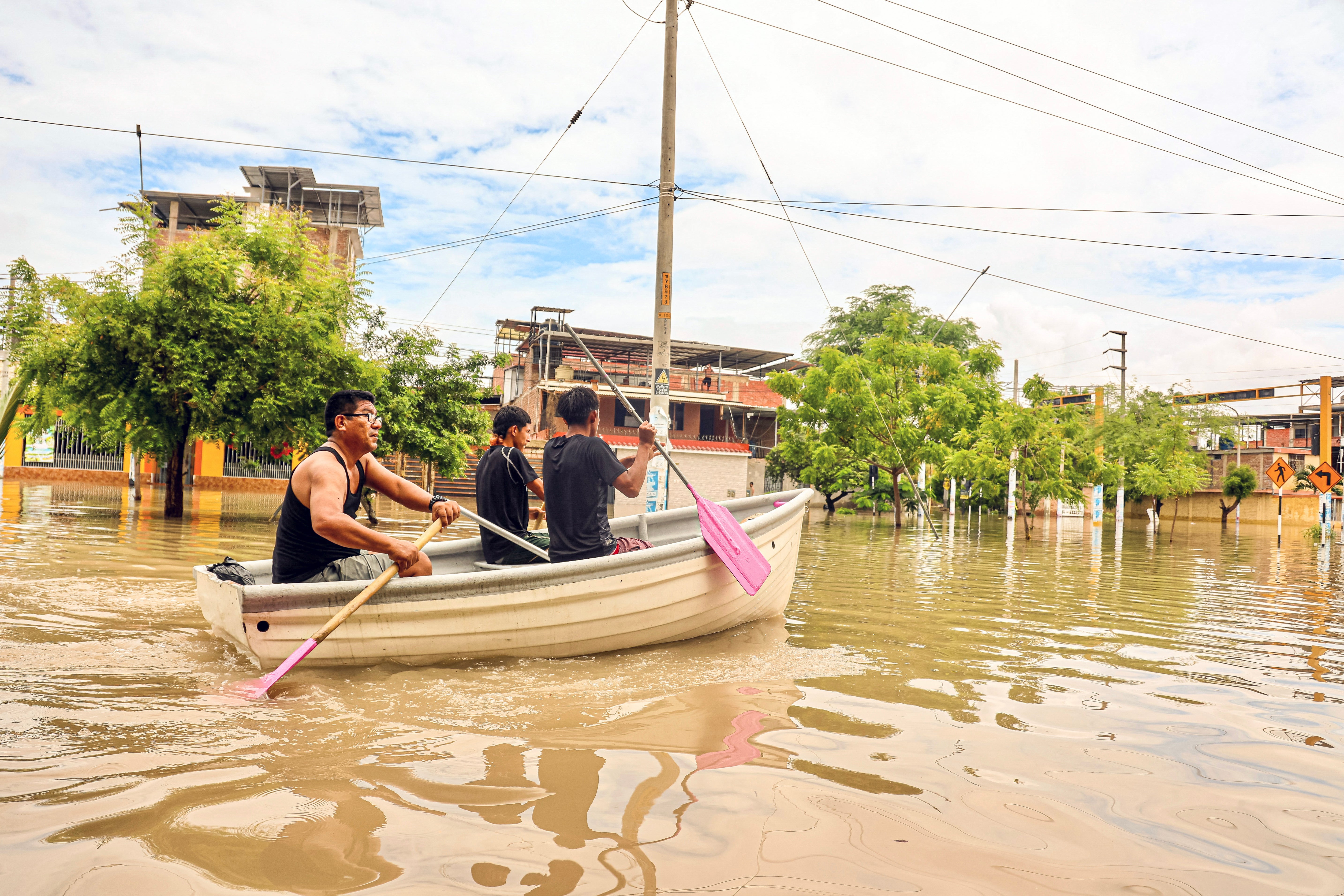
This typically causes wetter weather conditions, including flooding, off the coast of South America and parts of the southeastern United States, while causing droughts and wildfires in Southeast Asia, Australia, the Amazon and southern Africa, according to WWF.
The UN World Food Program has predicted that this phase could push an additional 49 million people into hunger due to impacts on agriculture.
But Flis said a cold anomaly appearing in western waters is more like the start of a La Niña phase, which would end the status quo.
A forecast model showed the relative temperature anomaly increasing into the new year before falling to 0°C in late summer 2027 and -2°C in January 2028.
“Forecasts drop to around -2 degrees by winter 2027/2028, which corresponds to strong La Niña territory,” he wrote in an analysis for Severe Weather Europe.
“This forecast has relative anomalies, indicating that the next La Niña may have a greater meteorological impact than raw ocean temperatures suggest.”
Both phases typically begin developing between March and June and reach their peak intensity between November and February, according to the World Meteorological Organization (WMO).
La Niña would see stronger trade winds blow eastward, pushing warm water toward Asia and Australia, with colder subsurface water rising to replace it near South America.
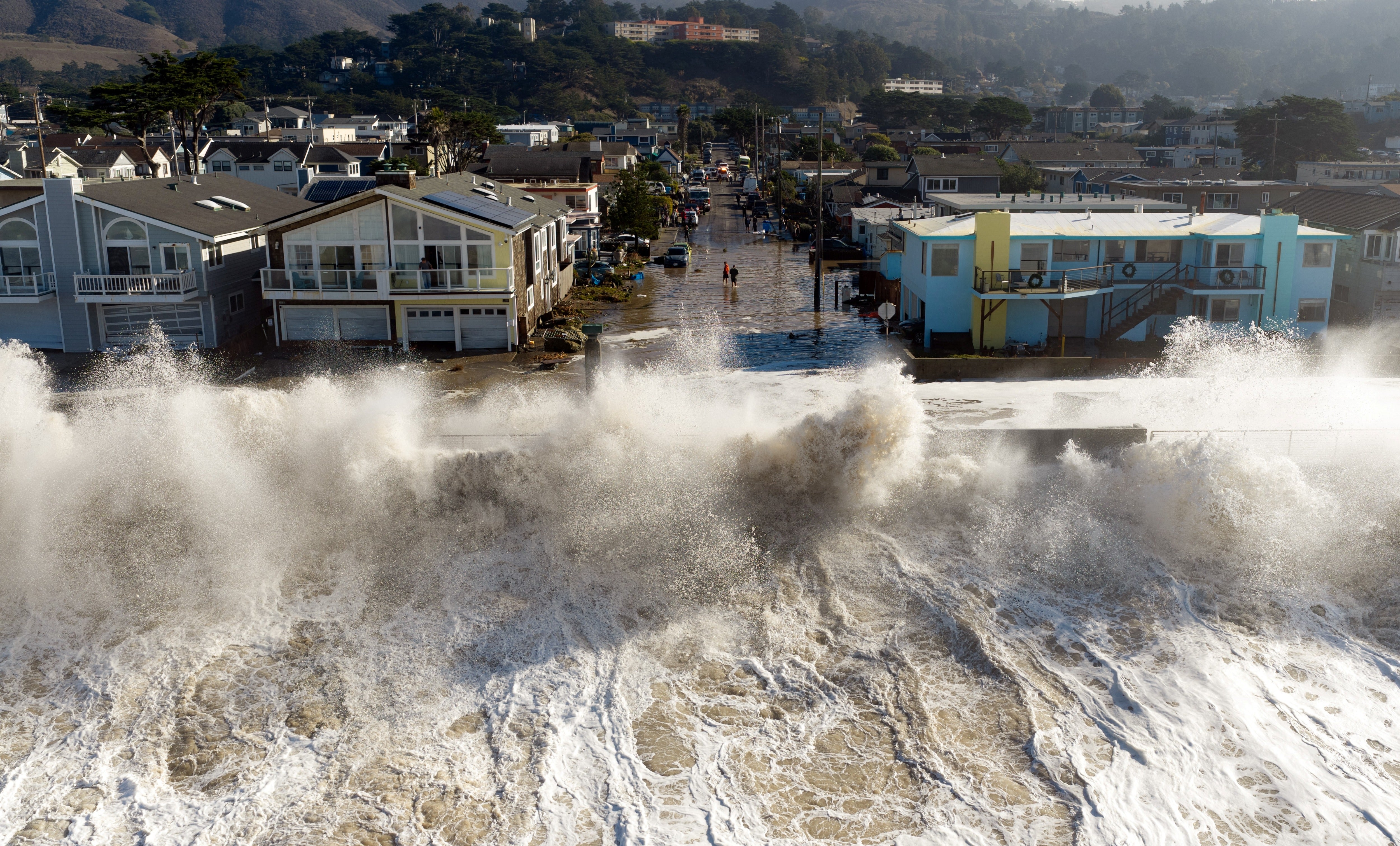
These cold waters could lead to drought in the southern United States, as well as heavy rains and flooding in the Pacific Northwest and Canada, according to the National Oceanic and Atmospheric Administration (NOAA).
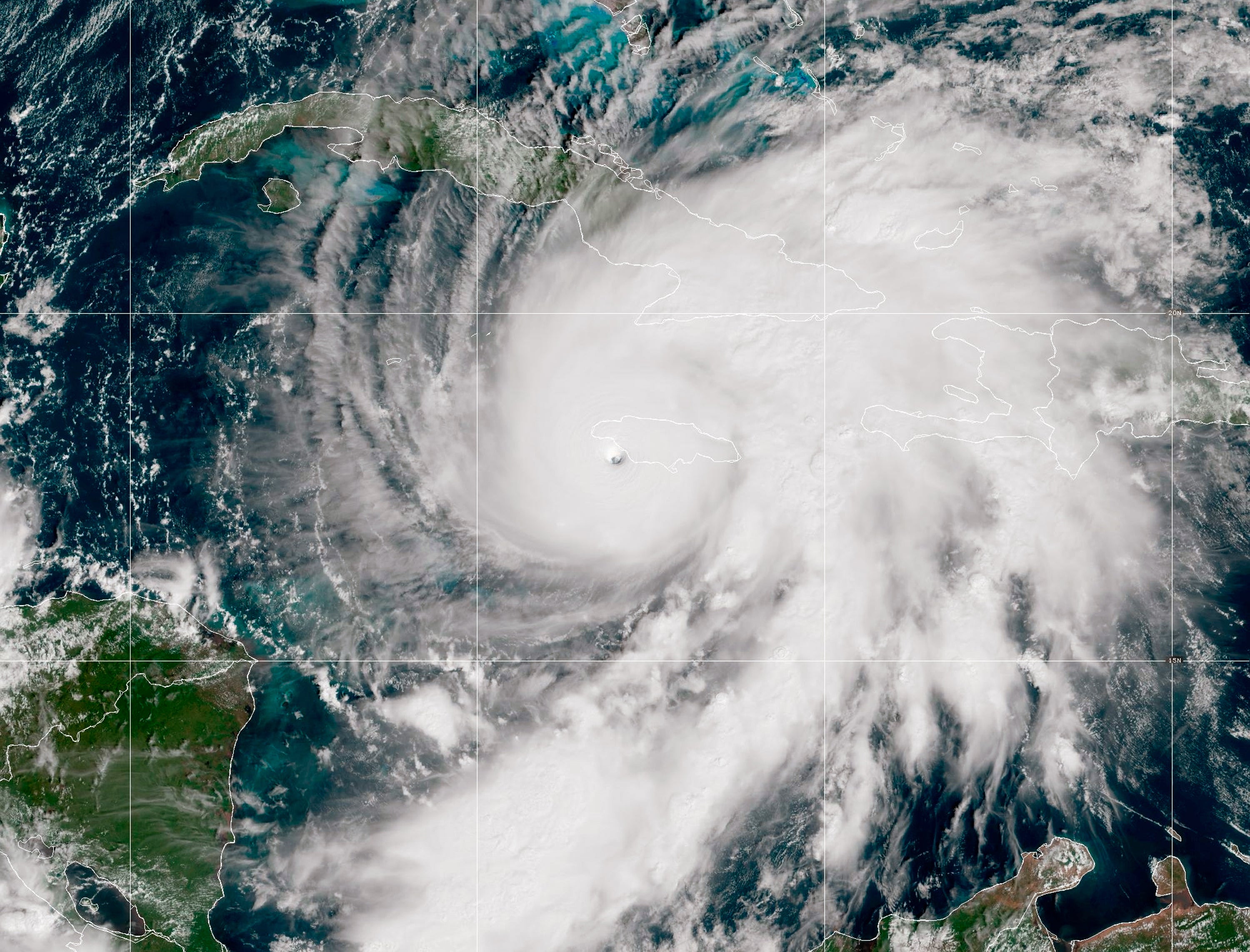
La Niña suppresses hurricane activity in the central and eastern Pacific basins, around California and Central America, but intensifies it in the Atlantic basin, affecting the Caribbean.
The last phase of La Niña lasted from late 2025 until early 2026.
Simon Mason, a senior scientist at the Stockholm Environment Institute, wrote this week that the current phase could continue to strengthen for a few more weeks, even after forecasters said it had probably reached its peak.
“Whether the El Niño continues to strengthen, stall or weaken, there will be an exceptionally strong El Niño over the next few months,” he said.
“As we can be confident that El Niño conditions will persist into early 2027, we can continue to expect disruptions to weather patterns around the world.”
Gn headline