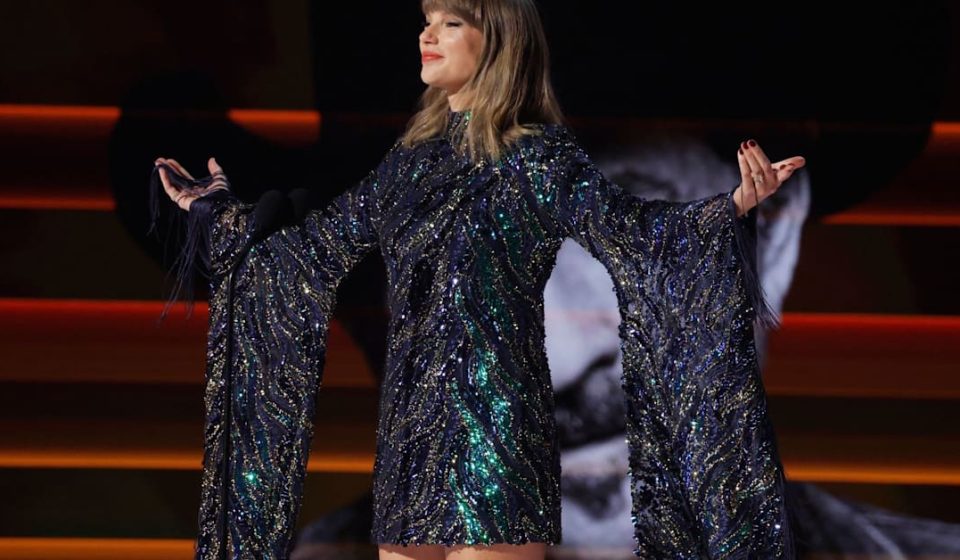
Taylor Swift built a billion-dollar empire by singing about bullies, betrayal and people who wronged her. But according to flamboyant news Vanity Fair investigation, the woman behind the underdog narrative may have a reputation for doing more than her fair share of bullying.
In a November 23 article titled “The Mastermind,” journalist May Jeong interviewed more than 100 people connected to Swift’s life and career, revealing allegations of retaliation, manipulation and social exclusion. The report paints a strikingly different picture of the 36-year-old superstar, whose public image has long centered on friendship, female empowerment and overcoming adversity.
“It’s definitely Regina George,” one music industry executive told the magazine, invoking the famous mean girls character.
Another former associate described Swift’s alleged approach to personal disagreements in considerably harsher terms.
“No one is blameless with her,” the source said. “If you don’t see it the way she wants you to, she’ll take it out on you.”
The investigation claims that Swift’s influence extends far beyond her music. According to sources, people who fall out of favor with the singer may find themselves excluded from social circles and professional opportunities, while artists perceived as her rivals may find it difficult to maintain relationships with those close to her.
“It is punitive,” said the industry leader.
A person previously close to Swift claimed that the singer liked to put people in their place, describing this behavior as a way of disciplining those who challenge her.
The report also revisits Swift’s long-standing accounts of childhood bullying.
Chanice Skinner, a former classmate, disputed this narrative, recalling Swift as a member of the popular crowd rather than an isolated outsider.
“If you weren’t in her friend group, you didn’t exist to her,” Skinner said. “If anything, you were one of the bullies.”
Other allegations concern Swift’s relationships with other musicians. The investigation examines tensions involving Charli XCX, Olivia Rodrigo and other artists, including claims that Swift’s public displays of support did not always reflect her private feelings.
One executive claimed that musicians associated with Swift avoided collaborating with her perceived rivals. The magazine also talks about a music critic who allegedly lost friendships after publishing an unfavorable review of Swift’s work.
Although Swift declined to answer the magazine’s questions, the allegations invite renewed scrutiny of another aspect of Swift’s fame: the behavior of some of her most aggressive fans, known as “Swifties,” toward women connected to her personal life.
Gn entert