Photo: Tesla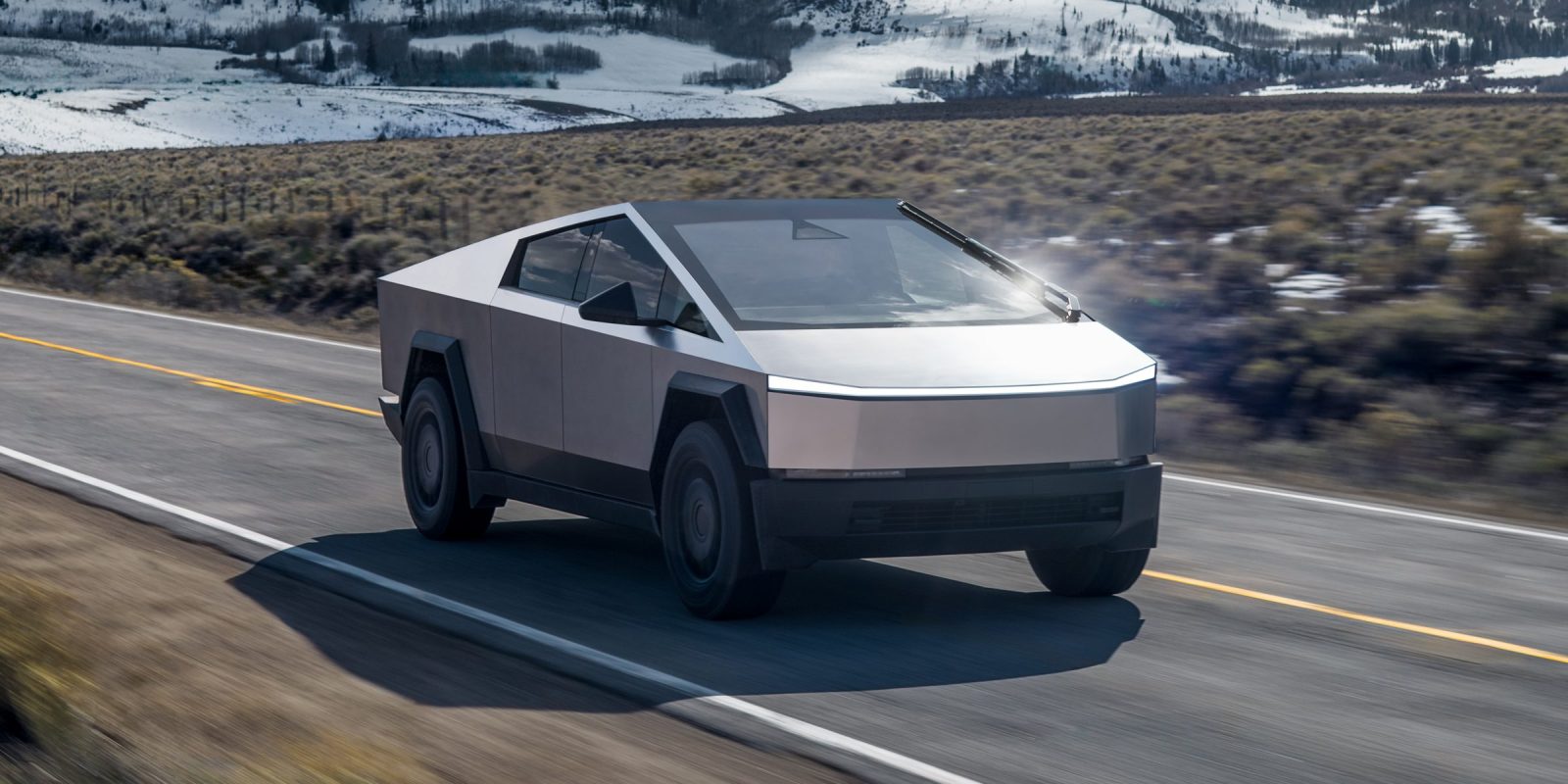
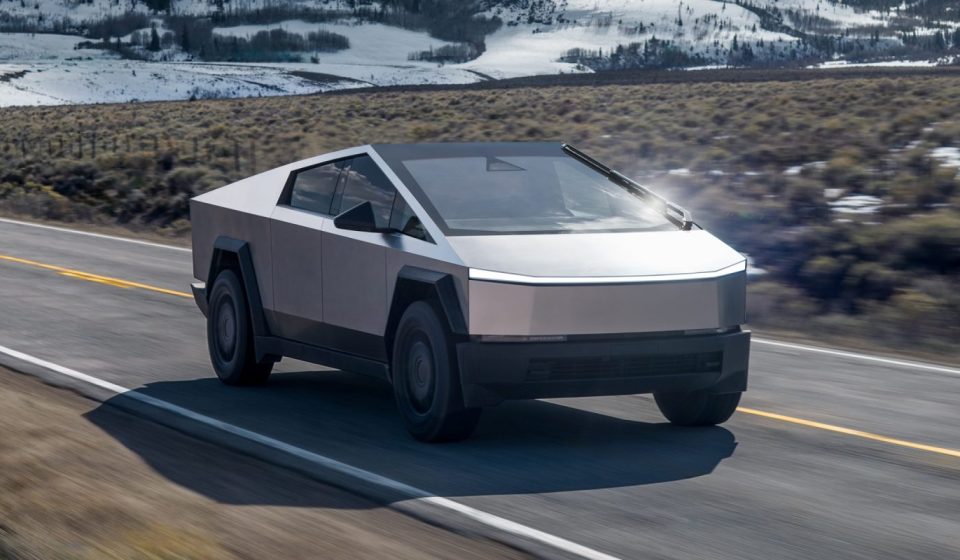
Elon Musk now says that Tesla will continue to build the Cybertruck “until the end of summer 2027” to “further absorb the Cybertruck order backlog”. That makes it possible to buy the electric pickup about two to three months longer, five days after Tesla first announced it was killing it.
The reprieve comes as a growing number of Tesla fans oppose the decision and what it says about Tesla’s future as a company that sells cars to individuals.
Three end dates in five days
On November 6, Musk said Tesla would cease Cybertruck production at Giga Texas “around the middle of next year” to make room for Cybercab. On November 9, he wrote that the line would close “in about 8 months” and that Tesla “would have to return a lot of people’s deposits.” It is now the end of summer.
The reasons have evolved just as much. First it was factory space, then a “very limited number of smart, dedicated people,” then the “opportunity cost” of truck complexity. We’ve gone over each of them: Tesla discontinues the Cybertruck as sales stall at about 10% of plan, Musk’s demand doesn’t outlast the numbers, and Musk admitted Tesla doesn’t have the talent to handle more than one vehicle program.
And the “delay” is one that Tesla himself built. Prior to this announcement, the truck was selling at a rate of about 30,000 units per year, or about 10% of the planned 250,000 Tesla, on a line of more than 125,000 units of installed capacity. Telling people the truck is leaving creates a rush to last call. This is not a demand that Tesla lacked before.
Tesla also raised prices for the Cybertruck by up to 10% the same day and suspended orders for the base Dual Motor. The cheapest Cybertruck you can order now costs $92,490, up from $69,990 at the start of August.
Some of the people who are late have been waiting for a while. Many applauding Musk’s responses say they are still waiting for the $59,990 Tesla Cybertruck sold for “10 days only” in February. One asked if Tesla would prioritize Premium and Cyberbeast orders over theirs. Musk did not respond.
Tesla fans are asking the right question
The most telling answers weren’t about the truck. Chuck Cook, one of the best-known FSD testers in the Tesla community, tweeted Musk asking him to “change his mind,” adding, “Cybercab won’t transport my bees.” »
Another longtime Tesla supporter, Phil Trubey, asked for “a roadmap for vehicles after the end of summer 2027,” followed by: “Will Tesla make another vehicle?”
That’s the right question, and Tesla hasn’t announced a single new mainstream vehicle to answer it. Tesla started 2026 with five consumer vehicle programs: Model S, Model X, Model 3, Model Y and Cybertruck. It ended production of the Model S and Model X in the spring, citing “autonomy.” The Cybertruck passes next. By fall 2027, Tesla’s consumer lineup will consist of the Model 3 and Model Y, two vehicles launched in 2017 and 2020.
Tesla’s answer to the affordable car it had been promising for years was lightweight “Standard” versions of these same two vehicles. In China, its second-largest market, Tesla has transformed Giga Shanghai into an export hub, and domestic retail sales collapsed 66% in October to their lowest level in more than four years.
Even Unplugged Performance, the largest Tesla tuner on the market, has offered to take the Cybertruck line out of Tesla’s hands and pay a licensing fee. People want this truck built. Tesla does not do this.
Electrek’s point of view
We have been warning about this for years and have been called haters for years.
The trend has been clear since Tesla swapped its affordable car plans for Robotaxi in 2024. No new mainstream platform. Model S and X killed “for autonomy”. Cybertruck killed “for Cybercab”. A Roadster presented as a booster nine years after its unveiling. Every product decision moves away from selling cars to individuals and toward robotaxis and Optimus, two companies that don’t generate significant revenue today.
An extension of two to three months changes nothing. It’s a move aimed at the loudest part of the fan base, and it allows Tesla to sell a few thousand more trucks at prices up to 10% higher than last week. GOOD. But those who bought into Tesla’s mission to accelerate the world’s transition to sustainable energy now realize that that mission has been quietly rewritten and the word “sustainable” left out.
Tesla is becoming a company that sells two aging electric vehicles to finance a bet on autonomy. This could work for shareholders. We have our doubts, given that Tesla is still behind Waymo by all public measures. But it’s much less exciting for those who wanted the next big Tesla car.
The question for fans now: When the Model 3 and Model Y get their own “opportunity cost” article on X, will anyone actually be surprised?
If you purchase an electric vehicle, Cybertruck or not, powering it with home solar can reduce your fuel costs to almost zero. With electricity rates up nearly 10% in the last year and expected to continue to rise, turning to solar power is one of the best ways to protect against rising costs. And with leasing and PPA options, you can do it without any upfront costs and start saving immediately. If you want to find the best deal, check out EnergySage. It’s a free service with hundreds of pre-screened installers competing for your business, so you save 20-30% compared to a stand-alone solution. No sales calls until you choose an installer. Get your free quotes here.


FTC: We use automatic, revenue-generating affiliate links. More.
Gn bussni