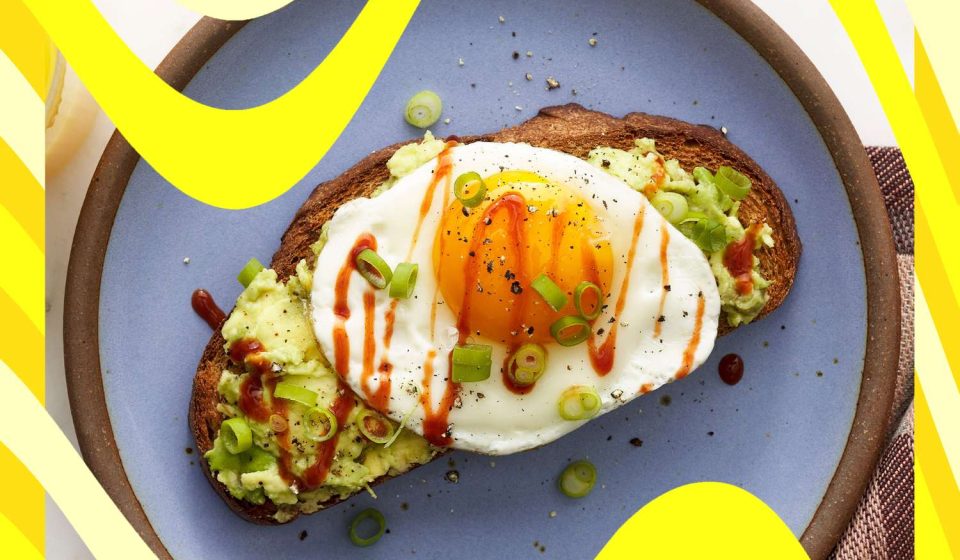
- GLP-1 drugs reduce appetite, making nutrient-dense meals like avocado-egg toast essential.
- Avocado-Egg Toasts provide protein, fiber, and healthy fats in an easy-to-finish serving.
- Pair your meals with strength training, protein-rich foods, and fiber to support health while using GLP-1.
When you start taking a GLP-1 medication like semaglutide or tirzepatide, breakfast can change a lot. The bowl of cereal or bagel you used to finish may now seem like too much. Some mornings you won’t be hungry at all. It’s the medicine that does its job, but it creates a new problem: When you eat less food, each bite must provide more nutrition.
This is why avocado and egg toast can be a go-to breakfast for people taking a GLP-1 medication. It combines protein, fiber and unsaturated fats in a small serving that suits your appetite and takes just five minutes to prepare. Below, you’ll learn why it fits so well with GLP-1 therapy, who should adjust it, and what other habits can help you get the most out of your medication.
Why Dietitians Love Avocado and Egg Toast If You’re Taking a GLP-1 Medication
GLP-1 medications reduce the amount you eat, often significantly. In fact, research suggests that people taking a GLP-1 medication may eat half as much at meals as they did before starting treatment. Eating less is how these medications promote weight loss, but it also means nutrients may be lacking. Changes in gastrointestinal motility and decreased appetite can also make it more difficult to meet your nutritional needs. Avocado-Egg Toasts help cover several essential needs in one small meal.
So why this particular breakfast? “It packs a lot of nutrients into a modest serving. This can be a real benefit for someone on GLP-1 who fills up quickly. You get protein, fiber, healthy fats, and carbs in a meal that doesn’t have to be huge to be satisfying,” shares Johannah Katz, MA, RDN.
It provides protein to help protect muscles
Protein is one of the biggest concerns when treating with GLP-1. Research suggests that if food intake drops by about half, protein intake may drop by a similar amount, which could leave many people below recommended goals. This is important because weight loss includes some lean mass. Additional research suggests that on average, about 29% of the weight lost by people taking a GLP-1 drug may be fat-free mass, which includes muscle as well as bone and other tissues.
“One egg contains about 7 grams of protein. It is also generally well tolerated on low appetite days,” shares Ana Reisdorf, MS, RDN. Eggs also provide vitamin B12, vitamin D, and choline, which are nutrients that support brain health.
One egg alone won’t meet the morning protein needs for most GLP-1 users, so to modify, consider adding a second egg or a side of Greek yogurt if your appetite allows.
It adds fiber to support digestion
Constipation is one of the most common side effects of GLP-1 medications, reported by 11% to 24% of users, depending on the drug. Eating less food often also means eating less fiber. The whole wheat bread and avocado in this recipe both add fiber, helping people hit their quota first thing in the morning.
Another advantage of fiber? “Opting for a fiber-rich whole grain bread allows for a slow, steady release of glucose, which will keep your energy levels stable alongside the glucose-regulating effects of the medication,” shares Carrie Gabriel, MS, RDN.
It provides a moderate amount of healthy fat
“The monounsaturated fats in avocado are heart-friendly, which is important because many people taking GLP-1 medications also aim for better metabolic and cardiovascular health,” says Michelle Cardel, Ph.D., MS, RD. This point is important because GLP-1 nutrition is not just about eating less; it’s also about making sure small meals still contain the nutrients your body needs.
“Healthy fat is necessary, not just allowed,” shares Jessica Clancy-Strawn, MA, RDN. “When you eat very little, you may also lack fat, and your body needs it to absorb vitamins A, D, E and K,” she adds.
It packs nutrients into a small portion
When your appetite decreases, food quality matters more. A joint opinion from four nutrition and obesity medicine groups ranks preventing nutritional deficiencies and preserving muscle among the top priorities for people on GLP-1. A simple plate of whole grains, eggs and avocado offers protein, fiber, B vitamins and healthy fats in a serving that most people can eat.
Who can enjoy this breakfast
Avocado and egg toast works for most adults taking a GLP-1 medication, whether you’re taking it for weight management or for the management of type 2 diabetes. However, some people may need to change it first:
- People allergic to eggs: Replace the egg with a ball of fromage blanc or a few slices of smoked salmon to preserve the protein.
- People with celiac disease or gluten sensitivity: Use sturdy gluten-free bread. Look for one with a few grams of fiber per slice.
- People suffering from severe nausea or early satiety: “For those experiencing nausea or digestive discomfort, a smaller amount of avocado may be better tolerated, as high-fat foods can make symptoms worse in some people,” says Lisa Young, Ph.D., RD.
- People with acid reflux: Avoid optional Sriracha, as spicy foods can trigger symptoms in some people.
- People with chronic kidney disease: Avocados are high in potassium and your protein needs may differ for you. Check portions with your healthcare team.
- Anyone who wants more protein: Add a second egg, sprinkle with hemp seeds or pair the toast with a glass of milk.
Other strategies if you take a GLP-1 medication
A good breakfast is a good start, but your habits throughout the day also matter. These evidence-based steps can help:
- Make protein a priority at every meal. Many experts suggest aiming for around 1.2 to 1.6 grams of protein per kilogram of body weight while losing weight. Work with your dietitian to set a goal that works for you.
- Add strength training. Resistance exercises are one of the best-supported ways to help you preserve muscle while losing weight.
- Ask about supplements and lab tests. Research suggests that some adults are diagnosed with a nutritional deficiency within a year of starting a GLP-1. Vitamin D deficiency is one of the most common. Although the research cannot prove that the drug causes the deficiencies, it supports routine screening. Ask if a nutritional supplement is right for you.
- Consult a registered dietitian. A dietitian can help you meet your unique nutritional needs with a smaller appetite.
Our expert opinion
GLP-1 medications can reduce the amount you eat, making each meal more important. Avocado and Egg Toast is a quick and satisfying breakfast that provides protein, fiber, and a moderate amount of healthy fats in an easy-to-finish serving. To top it off, add a second egg or a side of yogurt for extra protein.
Beyond breakfast, focus on protein throughout the day, add strength training, drink enough fluids, and eat plenty of fiber-rich plants. Research on nutrition during GLP-1 treatment continues to grow and formal guidelines are limited. The best next step is to talk with your healthcare team about protein goals, supplements, and lab monitoring that meet your health needs.
Gn Health