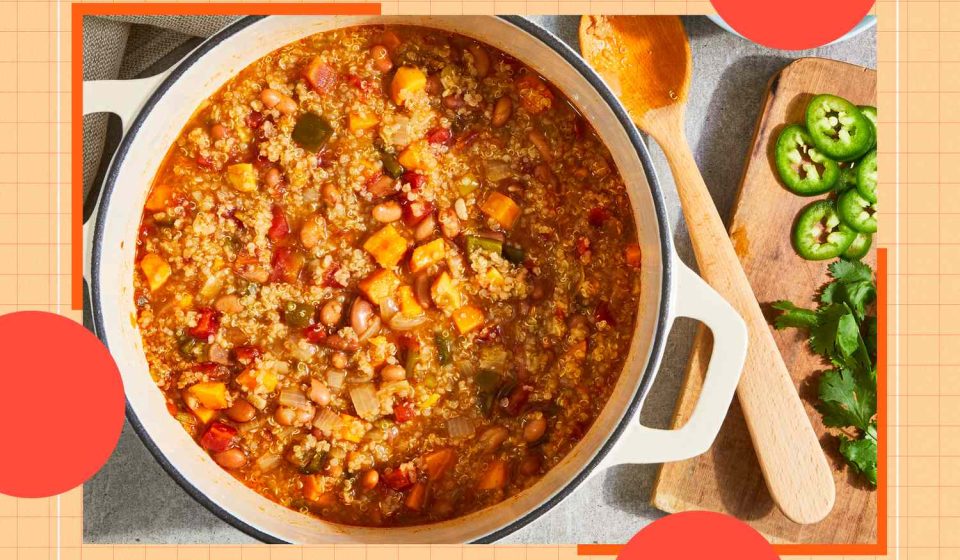

- Sweet potatoes are rich in fiber, which helps reduce LDL cholesterol by removing it from the body.
- Antioxidants in sweet potatoes, like beta-carotene, support heart health by reducing oxidative stress.
- Replacing high-fat sides with sweet potatoes can reduce saturated fat and improve cholesterol levels.
Cholesterol may not be the most pressing thing on your mind when planning your fall meals, but it deserves a little attention if you’re concerned about your heart health. High levels of low-density lipoprotein (LDL) cholesterol can cause a buildup in your arteries and put you at risk for heart disease. Besides other factors like staying active and not smoking, your food choices, including the vegetables you eat, can have a big impact on your cholesterol levels.
We asked a cardiologist what the best fall vegetable was for lowering cholesterol, and his answer was sweet potato. Here’s why this popular fall vegetable can make a difference.
Why Sweet Potatoes Are Best for Lowering Cholesterol
They are rich in fiber
Sweet potatoes are an excellent source of fiber, with about 6 grams in a large sweet potato. Fiber helps flush cholesterol out of your body rather than allowing it to continually recirculate, says cardiologist Rohit Vuppuluri, DO.
“Soluble fiber binds to bile acids in the digestive tract and helps remove them from the body,” says Vuppuluri. “The liver then uses the cholesterol to produce more bile, which can help lower LDL cholesterol over time.”
Rather than just eating the flesh of the sweet potato, consider eating its skin as well, as this increases the amount of fiber you’ll get.
They provide heart-healthy antioxidants
Sweet potatoes contain antioxidants that promote heart health by protecting cells from oxidative stress. Orange sweet potatoes are rich in an antioxidant called beta-carotene, while purple sweet potatoes are a good source of anthocyanins.
“Oxidative stress plays a role in the development of atherosclerosis, particularly by altering LDL particles that can contribute to plaque formation,” says Vuppuluri. “Antioxidant-rich foods like sweet potatoes can be part of a diet that helps protect cardiovascular health.”
They are a good substitute for less nutritious foods
“Sometimes the biggest benefit is what the sweet potato replaces,” says Vuppuluri. When a roasted or baked sweet potato replaces a side dish that’s heavily processed or high in saturated fat, it can benefit cholesterol and overall heart health. “Reducing saturated fat is one of the dietary changes we focus on when trying to reduce LDL cholesterol.”
Sweet potatoes also contain potassium, which supports healthy blood pressure. Of course, it’s different from cholesterol, but it’s still an important factor in maintaining a healthy heart. “I always remind patients that cardiovascular health is about more than just a number,” says Vuppuluri. “Cholesterol, blood pressure, blood sugar, activity and overall diet all work together.”
Tips for Enjoying Sweet Potatoes
Here are some expert recommendations for getting the most out of these vibrant vegetables:
- Opt for more nutritious preparation methods. Baking, roasting, steaming or air frying are all good options, says Vuppuluri.
- Leave the skin. Have you never tried skin? It’s thin and easily edible, and it adds an extra touch of fiber. “If possible, I recommend keeping it,” says Vuppuluri.
- Be careful what you put on your sweet potatoes. “Loading them with butter, cream, or lots of cheese adds saturated fat and can work against the reason you chose sweet potato in the first place,” says Vuppuluri.
- Top your sweet potato with olive oil. “A little olive oil is a great option and can also help your body absorb some carotenoids found in sweet potatoes,” says Vuppuluri.
- Remember, sweet potatoes are just one part of a heart-healthy diet. “Incorporating sweet potatoes regularly can help increase fiber intake and replace foods high in saturated fat, but they should be part of a broader diet rich in vegetables, fruits, whole grains, beans, nuts and other fiber-rich foods,” says Vuppuluri.
Our expert opinion
If you’re looking for a fall vegetable that supports lower cholesterol levels and overall good heart health, sweet potatoes are a great option. They are rich in fiber, which helps remove bad LDL cholesterol from the blood. They contain heart-healthy antioxidants like beta-carotene and anthocyanins. They’re also a great substitute for other foods that can contribute to high cholesterol, like foods that are fried or high in saturated fat. As you consider your diet to lower cholesterol, remember that sweet potatoes are just one part of a broader diet that can support heart health. A heart-healthy diet should also include many other fiber-rich foods like fruits, vegetables, whole grains, beans, nuts and seeds. For more tips on heart health and cholesterol management, talk to your healthcare provider.
Gn Health