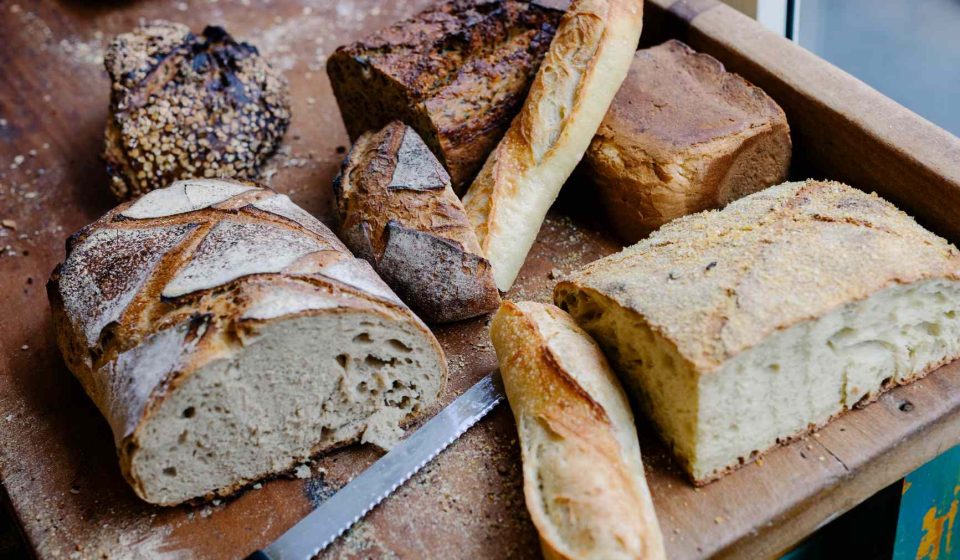

Bread can still have a place on your plate as it ages. We asked three registered dietitians to name the healthiest bread for healthy aging, and they all pointed to the same standout choice: sprouted bread.
Sprouted bread is made from whole grains that have started to sprout, a process that can make nutrients easier to digest and absorb while keeping the fiber intact.
Why dietitians love it: Dietitians say sprouting makes grains easier to digest without removing their benefits. “Sprouted whole grain bread stands out for healthy aging because when a grain sprouts, it improves nutrient availability,” Alyssa Simpson, RDN, CSDH, CGN, digestive health dietitian, tells HEALTH.
Sprouting also helps with blood sugar stability by providing fiber and protein. These nutrients become more important with age, as digestion slows and the body becomes less efficient at metabolizing carbohydrates.
Nutritional breakdown
Lisa Andrews, MEd, RD, LD, says sprouted breads are made by combining whole grains and legumes. The result is a fiber-rich bread that also provides complete protein, meaning it contains all nine essential amino acids your body needs. Research suggests that older adults often need more protein than younger adults because the body becomes less efficient at building and maintaining muscle.
Since sprouted bread is made from whole grains, it naturally provides more fiber and protein than refined breads, functional medicine dietitian Kaytee Hadley, MS, RDN, IFMCP, tells HEALTH. These nutrients support digestion, blood sugar regulation and satiety.
Many varieties also contain no added sugars and have fewer total carbohydrates than traditional breads.
Whole grain sourdough comes in a close second, especially for those who find other breads more difficult to tolerate. Unlike regular sourdough made from refined flour, whole grain sourdough retains the fiber and nutrients found in the whole grain.
Why it stands out: Sourdough bread is made using a natural fermentation process that relies on wild yeasts and bacteria. “Fermentation can make bread easier to tolerate,” Simpson said. “Even though live bacteria don’t survive cooking, the fermentation itself still provides benefits by making it easier for some people to digest,” Hadley added.
Simpson recommends choosing versions made with whole grain flour and naturally fermented, rather than breads made with yeast and added acids that simply mimic the flavor of sourdough. When sourdough is made from whole grains, it also provides fiber and protein, nutrients that support gut health, blood sugar balance, and cardiovascular health as you age.
Dietitians say the healthiest breads share a few similar characteristics:
- Breads made from whole or sprouted grains tend to be more nutrient-dense and supportive of long-term health, Simpson said.
- Traditional fermentation can be a bonus. Fermentation can make bread more gut-friendly and metabolism-friendly, helping with blood sugar balance and heart health as you age, according to Simpson.
- The best breads provide enough fiber and protein to support digestion, satiety and blood sugar regulation.
Gn Health