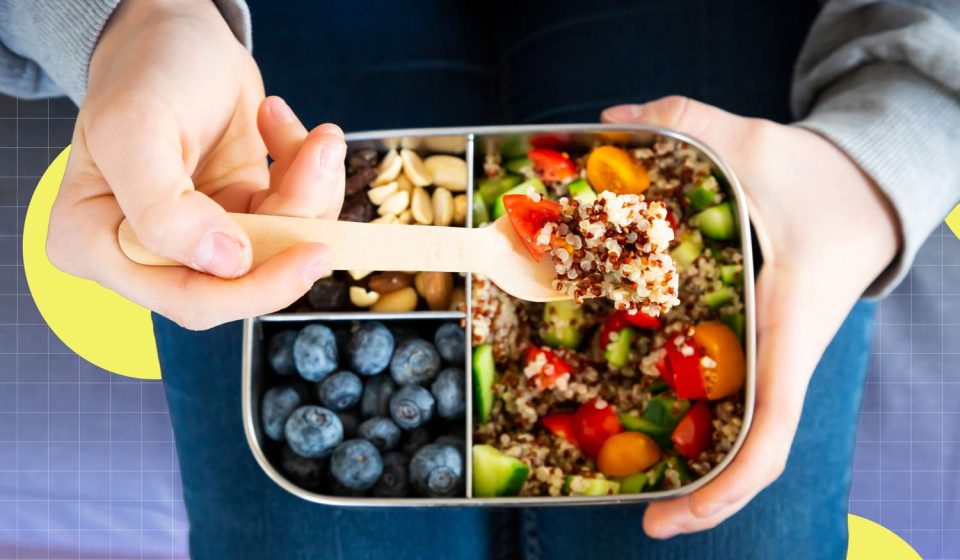

- Quinoa provides protein and fiber, two nutrients that help maintain satiety.
- This versatile food is suitable for breakfast bowls, salads and savory sides.
- Sustainable weight loss strategies include balanced meals, regular movement and enough sleep.
Many adults aged 20 and over follow a special diet, and weight loss is one of the most common reasons. With so much advice on how to lose weight, misconceptions about how to achieve it are common. From the keto craze to low-fat and low-carb products, it may seem like the key to weight loss is cutting out entire food groups. But carbohydrates can be part of a balanced diet that promotes weight management. That’s why I spoke with weight loss dietitians to help clear up the confusion around carbs and figure out which one deserves a place on your plate.
To help you succeed, they share the surprising choice of carbohydrates that should be included in your diet for weight loss: quinoa! Read on to learn the science behind why quinoa tops the list, how to add more of it into your meal prep routine, and what else can help you promote lasting weight loss.
Why we love quinoa for weight loss
It may support other aspects of health
Quinoa is not only fun to say, it’s also packed with nutrients that can support weight loss and maintenance. Beyond its potential benefits for weight management, research suggests that quinoa may also provide additional health benefits, including cardioprotective effects, blood sugar management, and numerous antioxidants. However, one of its biggest nutritional claims is its combination of plant-based protein and fiber.
It provides protein and plant fiber
Samantha Cassetty, MS, RD, explains: “Protein and fiber are the power couple for weight loss. Together, they keep you full and satisfied and can boost your body’s natural GLP-1, a hormone that helps regulate appetite. Quinoa provides both.” One cup of cooked quinoa provides about 8 grams of plant-based protein and 5 grams of fiber for about 220 calories. This combination can help promote satiety, potentially making you less likely to snack soon after a meal.
And Cassetty is not the only one to highlight the fiber content of quinoa. Lainey Younkin, MS, RD, agrees that its fiber content is one reason why quinoa can be a wise choice for those looking to lose weight. She adds: “Quinoa contains 5 grams of fiber per cup, twice the amount found in 1 cup of broccoli. People often don’t realize that whole grains, like quinoa, contain more fiber per serving than many fruits and vegetables. Fiber aids weight loss by maintaining healthy blood sugar levels and naturally releasing appetite-suppressing hormones, like GLP-1.”
It contains other important nutrients
Quinoa also offers a range of other nutrients that may give it a nutritional advantage over other complex carbohydrate choices. Lauren Harris-Pincus, MS, RDN, notes: “Compared to brown rice, quinoa contains similar calories and carbohydrates, with more iron, magnesium, phosphorus, potassium, zinc, and folate. »
Ways to Enjoy Quinoa
Quinoa is versatile enough to be the star of a meal or a supporting element alongside your favorite proteins and vegetables. Try these ideas to incorporate more into your routine.
- Start your day with a bowl of quinoa. Move over, oatmeal! Harris-Pincus says quinoa can also be used as a warm porridge in the morning. She explains: “Cook the quinoa in cow’s milk or soy milk with cinnamon. Add fruit, nuts, seeds and a drizzle of honey. A spoonful of Greek yogurt will add even more protein.”
- Use it as a base for grain bowls and salads. Rice may be your usual choice for a poke bowl or grain bowl, but try replacing it with quinoa for a change. Top it with veggies, a protein source and a flavorful dressing for a balanced meal.
- Serve it as a side dish. Quinoa pairs well with protein-rich foods like salmon. To give it more flavor, cook it with fresh herbs, onion or garlic, then finish with grated parmesan and lemon zest.
Other Strategies for Losing Weight
Protein and fiber are just two pieces of the weight loss puzzle. Experts also recommend developing habits that promote overall health and make it easier to maintain your routine over time.
- Stay hydrated. Harris-Pincus notes that staying well hydrated is an important part of any weight loss attempt. She notes: “It can help you stay regular when you eat less food. It also helps with satiety.”
- Prioritize sleep. A night of poor sleep can disrupt the body’s natural rhythm, creating a cascade of problems that can affect appetite, food choices and weight status. Create a bedtime routine that helps you consistently log seven to nine hours of sleep per day.
- Stock up on vegetables. Cassetty and Younkin recommend making vegetables a regular part of meals. Cassetty suggests: “Non-starchy vegetables should fill most of your plate at lunch and dinner. If you’re not a fan of vegetables, start small, with one vegetable at one meal.”
- Pack satisfying snacks. “Typical snack foods like chips and cookies, even the healthiest versions, are easy to eat because they don’t fill you up. This makes it harder to control portion sizes and maintain the calorie deficit needed for weight loss,” Cassetty writes. Snacks that combine nutrients like protein and fiber can help you feel full between meals. Try an apple with almonds and a cheese stick, or whole grain crackers with peanut butter and berries.
- Take the time to move. Find activities you enjoy so that moving regularly feels more manageable. Along with aerobic activity, try to include strength training at least twice a week, as recommended by physical activity guidelines.
Our expert opinion
Sustainable weight loss happens when you learn to incorporate foods from all food groups, including carbohydrates. But the type of carb is important, with nutrition experts recommending choosing complex carbs that provide protein and fiber, like quinoa. These two nutrients help keep you fuller longer, helping you achieve your weight loss goals. Younkin shares, “When it comes to losing weight, it’s about choosing smart carbs, like those high in fiber that keep you full, not cutting out all carbs, which is unsustainable.” »
Gn Health