There are several reasons to hesitate before buying a pair.
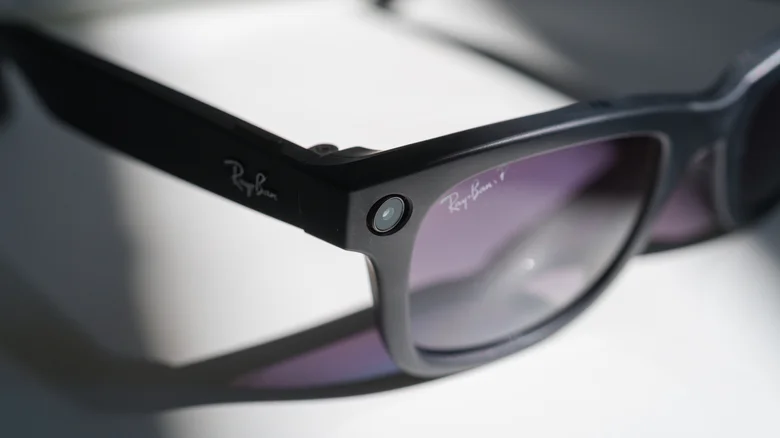
The world of AI glasses, or smart glasses as they are perhaps more commonly known, has been truly fascinating to watch develop. What once seemed like a classic science fiction movie – that of a pair of glasses directly integrating cutting-edge technology and hardware – has become a very plausible and quite expensive reality.
On the one hand, it’s always fun to see how technology evolves and improves over time. On the other hand, it’s a piece of technology that has a rather alarming history attached to it, as well as some incredibly valid concerns about its future.
The rise of smart glasses has been rapid and it’s a pretty healthy market. A 2026 survey by Security.org found that 25% of respondents said they were likely to purchase a pair of smart glasses in the coming year. Like every other technology that came before it, smart glasses are only as good as the people who use them, and their place in our increasingly studied society is worth discussing.
Who actually buys and uses smart glasses?

If you’ve spent any time browsing YouTube or any social media platform that features shorts or reels, you’ve probably seen a content creator using smart glasses. They are incredibly popular among tech content creators and repair shops, primarily used to showcase their daily business. In this sense, technology is quite endearing, because it opens you up to something that is actually beneficial.
Indeed, smart glasses almost feel like they were designed for this space. Tech content seems to be the context in which technology naturally thrives, but smart glasses are also tied to a few distinct demographics.
Some seniors have shown keen interest in them, adopting the technology for their accessibility features and showing interest in how they can help track doctor visits or medication reminders. They are also incredibly popular among people with disabilities, and in this case the actual need for these devices seems much more justifiable. Not every technology has to help every person in the world, and if something can be done to make life easier for certain populations, then we will all be better off.
AI smart glasses have raised legitimate concerns about privacy and security
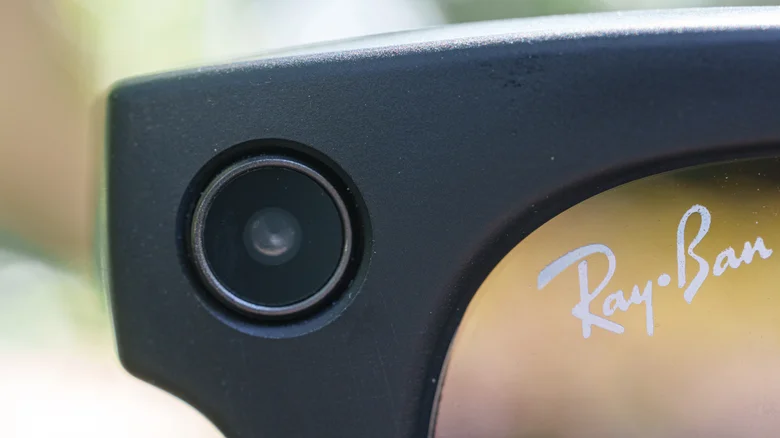
Whether you should buy smart glasses in 2026 depends almost entirely on what you would do with them on a daily basis. They’ve been pretty nice to people in some workplaces, but in the constant drive for efficiency and quotas, the actual physical act of wearing them has had its ups and downs. Smart glasses have gained a reputation for causing eye strain and irritation.
It’s not entirely different from how VR glasses did the same, but the real concerns about smart glasses tend to come from the actual technology housed within them. Many smart glasses come with a camera capable of capturing video, and no matter how cool the rest of the hardware is, it’s something that has rightly scared many people over the years.
Consent and privacy laws are topics that smart glasses face regularly. The idea of someone recording you without your knowledge is scary enough, but when someone can do it so clandestinely, it raises red flags. Technology like this is something to be wary of, both as a consumer and as someone sharing spaces with smart technology, but it also potentially has great things to accomplish in the future. Unfortunately, it’s a technological story as old as time.
Gn tech