For all the fantastic things the Romans left behind, they were also up to some truly strange things. So when thousands of ancient frog bones were discovered in a known settlement in Roman Britain, scientists were perplexed but realized there was a reason. And the culprit is not (unfortunately) an enigmatic frog cult from Roman times.
A recent study by zooarchaeologists, published in Environmental Archaeology, studied the frog bones in more detail, ending what scientists call an ancient “frog mystery.” The culprits were birds of prey, including short-eared owls and hen harriers. But the story doesn’t end there. According to the study, people have not interacted directly with the frogs or birds, but human activity in the Fens over the centuries likely created the conditions that resulted in this extraordinary frog bone gap. On the other hand, the discovery opens new perspectives on human settlements in the region.
“The mystery of these frogs has been solved: a feast of frogs that were eaten and their bones left behind by a group of owls,” Paul Clarkson, first author of the study and a zooarchaeologist at Bournemouth University in the United Kingdom, said in a statement.
A Frog Murder Mystery
According to Bournemouth University, researchers from the Museum of London Archeology (MOLA) first discovered the bones between 2016 and 2018. MOLA shared details of the excavation in 2022, explaining that its team had recovered more than four tonnes of animal bones from a site in the Fens in Cambridgeshire. According to the latest article, the site was dated to the mid-to-late Iron Age (400 BCE to 43 CE), but also showed signs of increased activity later in the Roman period, as the improving climate and falling water levels made the region more livable for humans.
One particularly striking discovery came from a single settlement, which unearthed more than 8,000 amphibian bones representing at least 350 frogs and toads. The bones were in a 14 meter long ditch which appears to have been part of a rotunda. Frog bones are not rare in the archaeological record, but the volume of the assemblage stands out, MOLA explained. Even stranger, the parts of the site closest to the region’s rivers don’t contain many amphibian bones, he adds.
What made them croak?
That said, the team did not immediately look into anthropogenic causes. For one, the bones showed no cut marks or signs of cooking, so humans were unlikely to eat them. At the time, researchers did not find tooth marks or signs of digestion on the bones. So it was unclear whether other predators were responsible. Archaeological evidence also showed that the ditch was filled in a single year.
Still, humans could be indirectly responsible for these frogs, MOLA explained. The team found charred grains near the roundhouse, meaning humans were processing crops there and potentially attracting pests, a food source for the frogs. Alternatively, migratory frogs could have fallen into a ditch in the roundhouse. Or maybe this is all wrong and more natural causes, like a bad winter or illness, are to blame.
A “bird’s eye view”
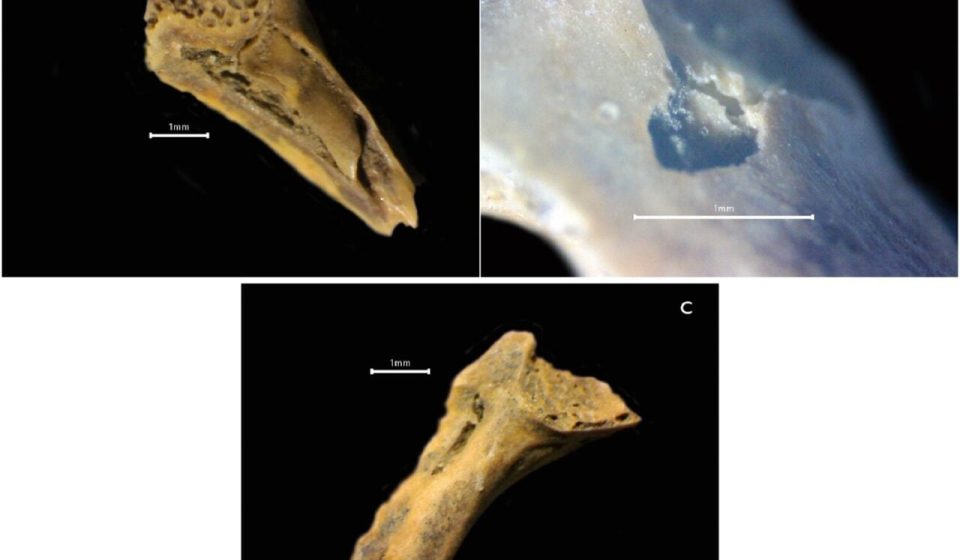
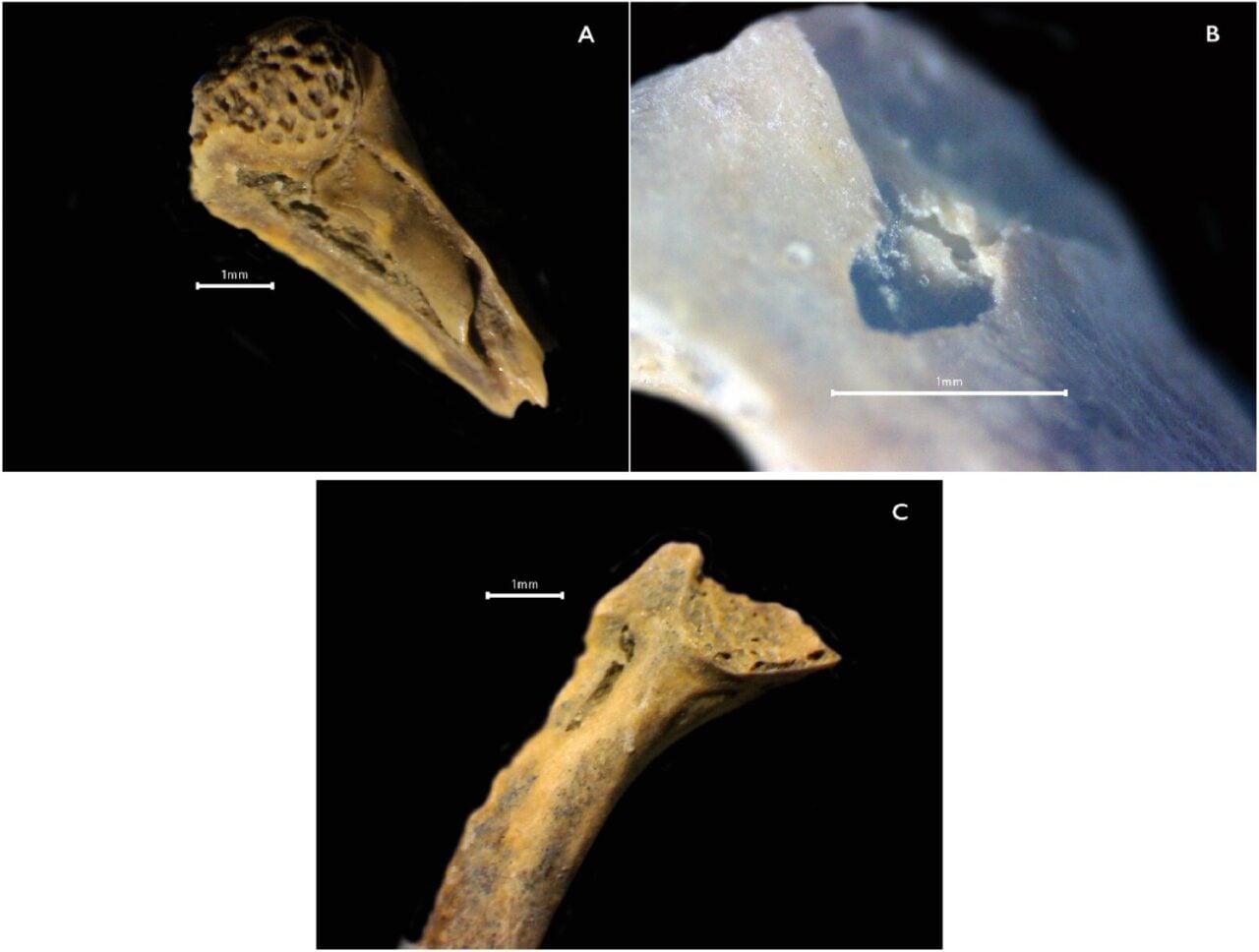
The latest analysis confirms some of these theories, while presenting new evidence for others. The team compared the damage to the frog bones with previous studies that identified patterns of breakage based on how the animal died. As a result, researchers determined that the most likely “culprits” in this frog-killing case were short-eared owls and hen harriers. Additionally, measuring the size of the frogs’ arm bones revealed that most of them died young, particularly during the winter of their first year on Earth.
Radiocarbon dating revealed the remains to be around 1,700 years old, consistent with the Roman period in Britain. This is an important detail, because this is when the receding waters of the Fens created ideal conditions for the frogs to breed, the team explained in the release. At the same time, livestock grazing made the landscape more open, making it easier for grassland predators to spot the frogs.
Another side of the story
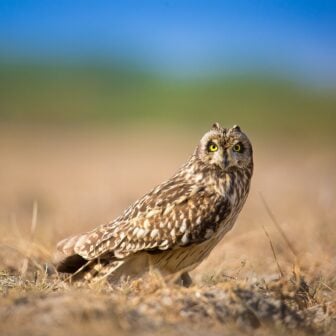
It is still unclear how and why frogs and other animal bones ended up in this ditch, the team admitted in the study. But if short-eared owls, which prefer quiet roosting sites, were responsible for the frog kills, it could mean that humans rarely visited this area in the fall and winter, during which the frogs died, he adds. In other words, it is possible that humans visited this area seasonally to graze their livestock.
“These bones not only tell us about the lives of people living near the Roman Fens, but they also provide insight into the natural world: what wild animals did in the past and what their lives were like,” Clarkson concluded.
Gn world