
Osteoporosis is often considered an inevitable consequence of aging.
Although bone mass naturally peaks in the late 20s and declines with age, believing that this metabolic bone disease is guaranteed for everyone is a dangerous assumption, especially because osteoporosis can become fatal.
This belief is also false: osteoporosis is not inevitable and there are steps people can take to prevent or slow bone loss.
Clinically classified as a “silent disease” because bone loss occurs without pain or physical warning, osteoporosis can go unnoticed as bone density decreases and bone tissue deteriorates, making bones increasingly fragile.
Often the first sign is a fracture caused by a minor fall or even common daily activity.
Here, I set the record straight on who is most at risk (spoiler alert: it’s not just older women), factors that can increase risk, and steps that can be taken today to protect bone health.

A fracture can have serious consequences
Osteoporosis can have consequences that go well beyond a fracture.
Vertebral fractures can lead to chronic pain, while hip fractures in older adults are associated with a significant risk of complications and death. Mortality after a hip fracture can approach 30% in one year according to some studies.
At the very least, a fracture can cause a loss of mobility and independence, making it more difficult to live independently.
Physical health isn’t the only thing that can be affected. If people are afraid of falling, even normal daily activities can become difficult. They may exercise less, stop doing activities they enjoy, and become socially isolated.
Not just an old woman’s illness
Postmenopausal women are among those most at risk for osteoporosis, but men can also develop the condition.
Having already suffered a fragility fracture – a fracture caused by a mildly traumatic event, such as a minor fall – also increases the risk of having another one.
People with a low BMI or body weight are at increased risk, as are those who have experienced significant weight loss. Shorter people may also have smaller bones and less bone mass.
Family history is another important factor, especially when it comes to hip fractures. Having a parent who fractured a hip, for example, can significantly increase the risk of hip fractures or other major osteoporotic fractures.
Certain illnesses and medications increase the risk
Several endocrine disorders can affect bone health, including hyperthyroidism. Women are known to be at increased risk during menopause due to declining estrogen levels, but low testosterone can also contribute to bone loss.
Cushing’s syndrome, which causes the body to produce too much cortisol, as well as rheumatoid arthritis and other inflammatory diseases, can also increase the risk.
Chronic diseases affecting the kidneys, liver and gastrointestinal tract can lead to osteoporosis and bone loss through different mechanisms.
Certain medications also affect bone health. Medications that suppress estrogen or testosterone, as well as some seizure medications, may contribute to bone loss. This means that patients with breast cancer or prostate cancer, as well as people being treated for epilepsy, may need to have their bone health monitored.
Lifestyle factors also matter. Smoking and excessive alcohol consumption (more than two drinks per day for men and one for women) can increase the risk of bone loss.

Your diet matters more than you think
Insufficient nutritional intake, including a balanced diet rich in calcium, vitamin D and protein, can harm bone health.
Calcium is essential for building and maintaining strong bones. Adults typically need about 1,000 to 1,200 milligrams of calcium per day, which can come from foods such as dairy and fortified foods.
Vitamin D can be obtained from the sun and foods such as salmon, mackerel, egg yolks and dairy products. Other vitamins and minerals, including magnesium, potassium, and vitamins K and C, also play a role in bone health.
Sitting Too Long (And Skipping Strength Training) Can Hurt Your Bones
A sedentary lifestyle is another factor that can endanger bone health.
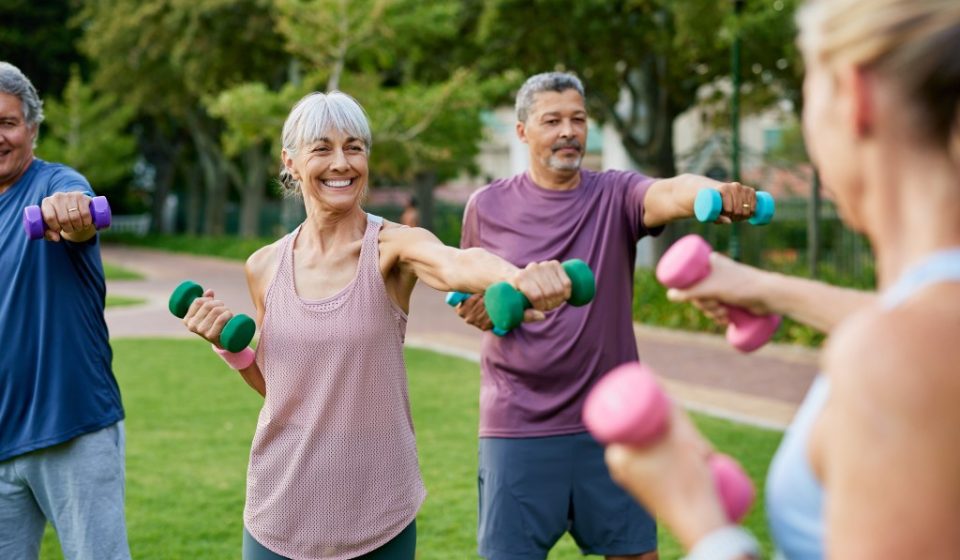
Regular weight-bearing and strength training exercises are important for maintaining and strengthening bones.
Weight-bearing activities include brisk walking, hiking, running, dancing and aerobics, while resistance training includes exercises that challenge the muscles and bones.
Although yoga, Pilates and tai chi are also useful forms of exercise that can improve flexibility, core strength and balance – which can help reduce the risk of falls – they do not replace weight-bearing or resistance exercises when it comes to developing and maintaining bone strength.
The goal is to build as much bone mass as possible during the first years of life and maintain it for as long as possible. Although some bone loss is a normal part of aging, healthy habits can help keep bones strong and reduce the risk of fractures later in life.
Dr. Susan Zweig is an endocrinologist, clinical professor and associate director of clinical affairs at Holman Division of Endocrinology, Diabetes and Metabolism in the Department of Medicine at NYU Langone Health. She sees patients at NYU Langone Diabetes & Endocrine Associates, where she treats a range of hormonal and metabolic disorders, including diabetes, thyroid disorders, osteoporosis, and menstrual and fertility disorders.
Gn Health