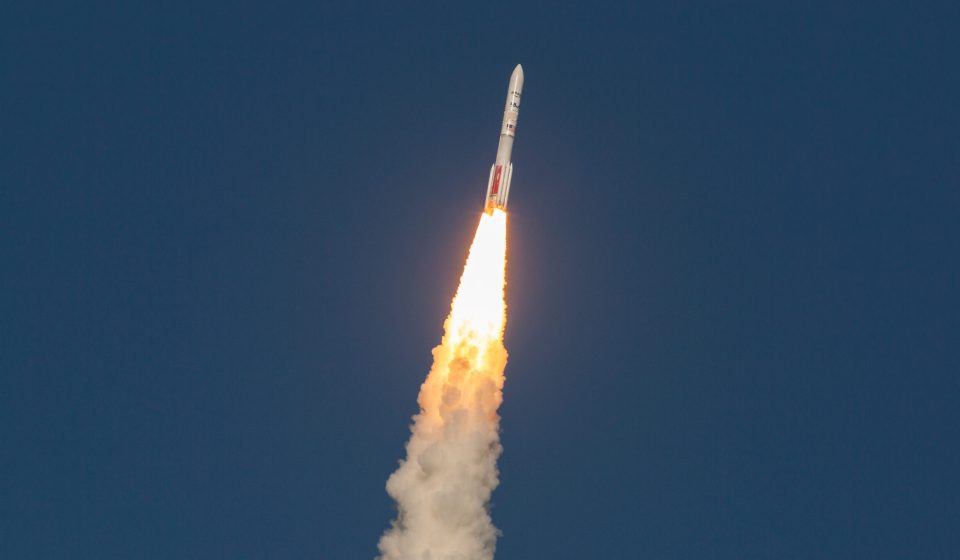
The Federal Aviation Administration is overseeing the ULA investigation. Again, this information is preliminary and no definitive conclusions can or should be drawn.
Serious implications everywhere
This was the fifth flight of the Vulcan rocket since its debut in January 2024. Two of the previous flights encountered problems with the nozzles of its solid boosters, but in both cases the rocket was able to compensate for the reduced, asymmetric thrust and reach its intended orbit. The second nozzle problem caused Vulcan to be shut down for nine months.
This latest setback is likely to sideline Vulcan for at least six months, and probably longer. Hardest hit will be the U.S. Space Force, which has national security payloads awaiting space travel on Vulcan, and Amazon, which had more than a dozen launches of its Amazon Leo constellation on its schedule for 2027. That would exacerbate a worsening U.S. launch crisis.
There are also potentially serious implications for Blue Origin, which is looking to get New Glenn back into flight as soon as January. Last Tuesday, the company said a modified BE-4 main oxygen valve had passed qualification testing.
“Our modified valve has already been integrated into engines planned for future flights, and we are currently rolling it out to the rest of the fleet,” the company said. “We expect to complete the anomaly investigation later this month.”
If Vulcan’s failure was ultimately due to a problem with the BE-4 engine, it would certainly delay the New Glenn rocket’s return to flight. That would be a setback not only for Blue Origin but for NASA, which is counting on the super-heavy rocket to do the heavy lifting for its Artemis program and moon base.
Gn bussni