(Bloomberg) – The debate over U.S. monetary policy has already moved forward in January.
Most read on Bloomberg
In a series of speeches and interviews this week, Federal Reserve officials locked in market expectations for a December interest rate hike and raised the prospect of the first back-to-back hikes since 2023.
The case for raising rates took on new urgency Tuesday when October’s consumer price report showed inflation accelerated and spread to everyday goods and services.
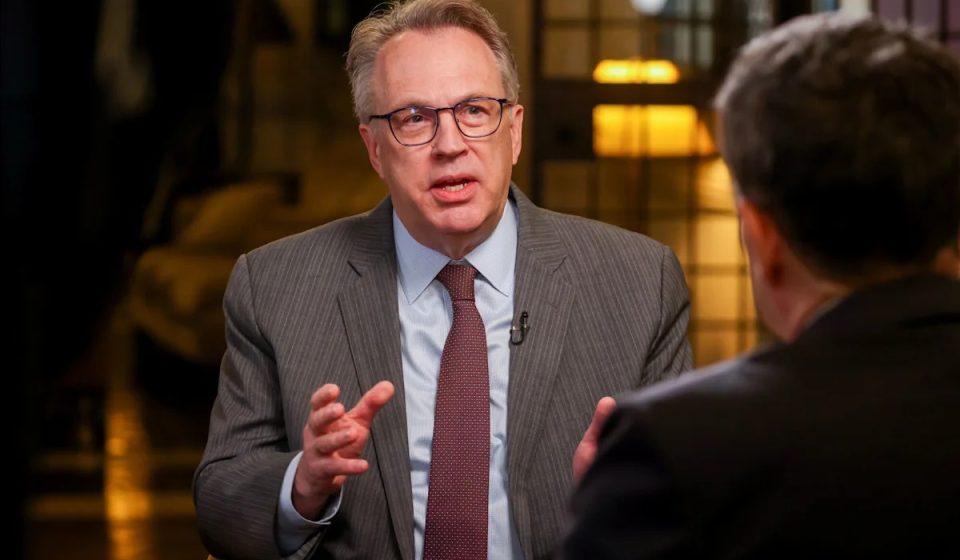
“Inflation is way too high,” said New York Fed President John Williams, while Austan Goolsbee of the Chicago Fed called the data “bordering on worrying.” Dallas Fed President Lorie Logan said officials may have to raise interest rates “more quickly” than expected, while Fed Governor Christopher Waller went so far as to warn that a 50 basis point hike may be needed next month.
“December is clearly locked and loaded for a 25 basis point hike,” said Olu Sonola, head of U.S. economics at Fitch Ratings. “The real questions are how quickly the next surge will follow and how many more will ultimately be needed.”
About half of the 19 officials who serve on the Federal Open Market Committee and about half of those who will vote at the December and January meetings spoke out during the week. On the last two questions, the signals were mixed.
They ranged from Waller’s reference to an outsized move to the Cleveland Fed’s Beth Hammack reiterating her preference for more frequent, smaller hikes, and Philadelphia Fed President Anna Paulson favoring a gradual pace of increases.
There was more bad news Friday when data showed that wholesale prices, which drive the Fed’s preferred inflation measure, climbed in October from a year earlier at their fastest pace since 2022. Transportation and warehousing costs jumped, adding to evidence of persistent price pressures across the economy.
“There now appears to be a concern to anticipate the re-acceleration and increase the frequency and potentially increase what the FOMC considers terminal,” that is, how high rates should ultimately go, said Michael Reid, head of U.S. economics at the Royal Bank of Canada.
Fed Call Changes
Economists at Bank of America and Santander US Capital Markets increased the number of hikes they forecast after the week of data and whirlwind of speeches. Bank of America now plans increases at the next three Fed meetings, while Santander plans two increases, in December and March.
Gn bussni