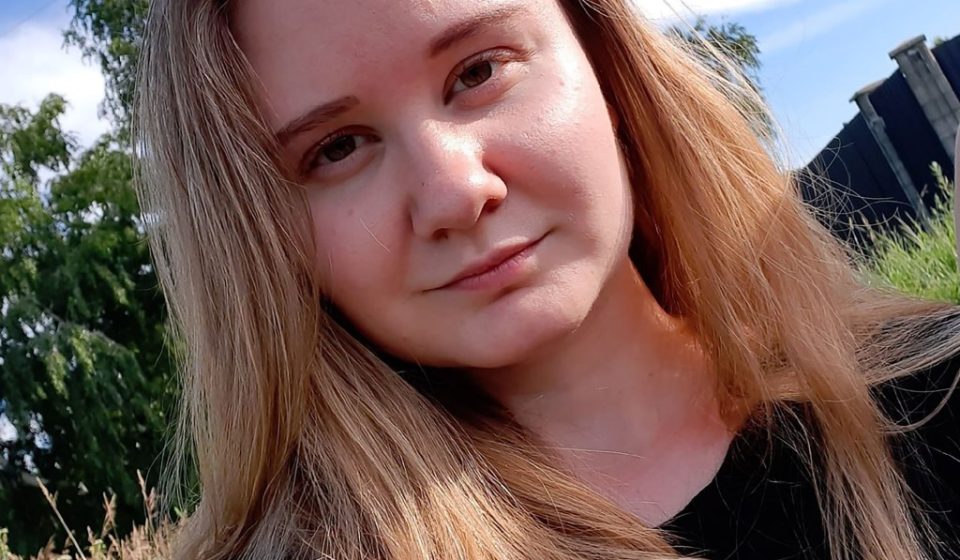
The Russian plague didn’t escape from a test tube – and it wasn’t an accident: mum of deceased scientist

The mother of the Russian scientist who died during a suspected plague outbreak in Siberia denies reports that her daughter was infected after breaking a test tube – and instead suggested Russian authorities “just let my daughter die”.
Daria Shipilova, 28, was working at the Irkutsk Anti-Plague Research Institute in Siberia and the Far East when she fell ill and died in hospital on October 2 after apparently dropping a test tube containing the deadly pathogen.
However, his mother Svetlana Shipilova, a medical professional, told Russian newspaper Glubina that she did not accept this account, saying it was simply impossible to break a test tube and insisting she knew “the truth”, the Telegraph reported.

“I know the truth,” she said. “I have to fend off stupid acquaintances who believed all this – the smart ones didn’t believe it, of course.
“Not even all medical professionals understand that you can’t break a test tube like this,” she continued. “Even if you throw it against the wall. Only an amateur would say something like that.
“Even hypothetically, you just can’t spill what’s inside or break the tube – they’re so well protected,” she insisted.
“They just let my daughter die. »

Russian officials have remained extremely silent about the circumstances under which Daria Shipilova became infected with pneumonic plague, despite reports that she was exposed in a laboratory accident.
Following her death, hundreds of people who had been in contact with her were placed in quarantine.
Moscow has only confirmed that she died of “pneumonia of unknown origin” – but experts are now questioning whether the plague strain that killed her could have been modified to make it a potential bioweapon.
“If she was working in a plague lab and had an accident, there would have been a protocol for her to take antibiotics,” former CDC Director Robert Redfield told NewsNation on Tuesday.
“Now, if the plague she was working with had been manipulated to not be susceptible to antibiotics… that might explain why they didn’t work.”
President Trump, meanwhile, downplayed the possibility that the scientist died from a bioweapon, saying Wednesday that “we don’t think so” but that “we’ll know soon enough.”
Kremlin spokesman Dmitry Peskov said on Wednesday that Russia had reported the incident to the World Health Organization and followed international protocol – accusing the media of spreading false information about the case.
The World Health Organization and the United States are pushing Moscow to be more transparent about the incident.
Gn headline