


Want to bookmark your favorite articles and stories to read or view later? Start your independent membership today.
Join us today
Already a member? Log in
Florida is experiencing its largest dengue outbreak in decades, with 252 locally acquired cases reported as of late September, among the highest totals seen in the continental United States in several decades.
The vast majority of cases have been reported in Hillsborough County, home to Tampa, where officials are ramping up mosquito control efforts, according to the latest figures released by state health officials. Florida has also seen 245 cases associated with travel this year, while at least 13 cases in Hillsborough County involved people who had recently traveled.
The increase prompted Hillsborough, Pasco and Pinellas counties to declare a local state of emergency and step up efforts to kill mosquitoes and eliminate standing water where they breed.
The total number of locally acquired cases in Florida has already surpassed the previous annual record of just under 200 cases, reported in 2023. The current outbreak also appears to be the largest reported by a state in the continental United States in a single year since at least the 1940s, based on available state health department data.
The total comes close to the 264 locally acquired cases reported in Hawaii over six months in 2015 and 2016, the largest outbreak reported by a U.S. state in decades. Federal health officials have warned that national dengue surveillance data is limited.
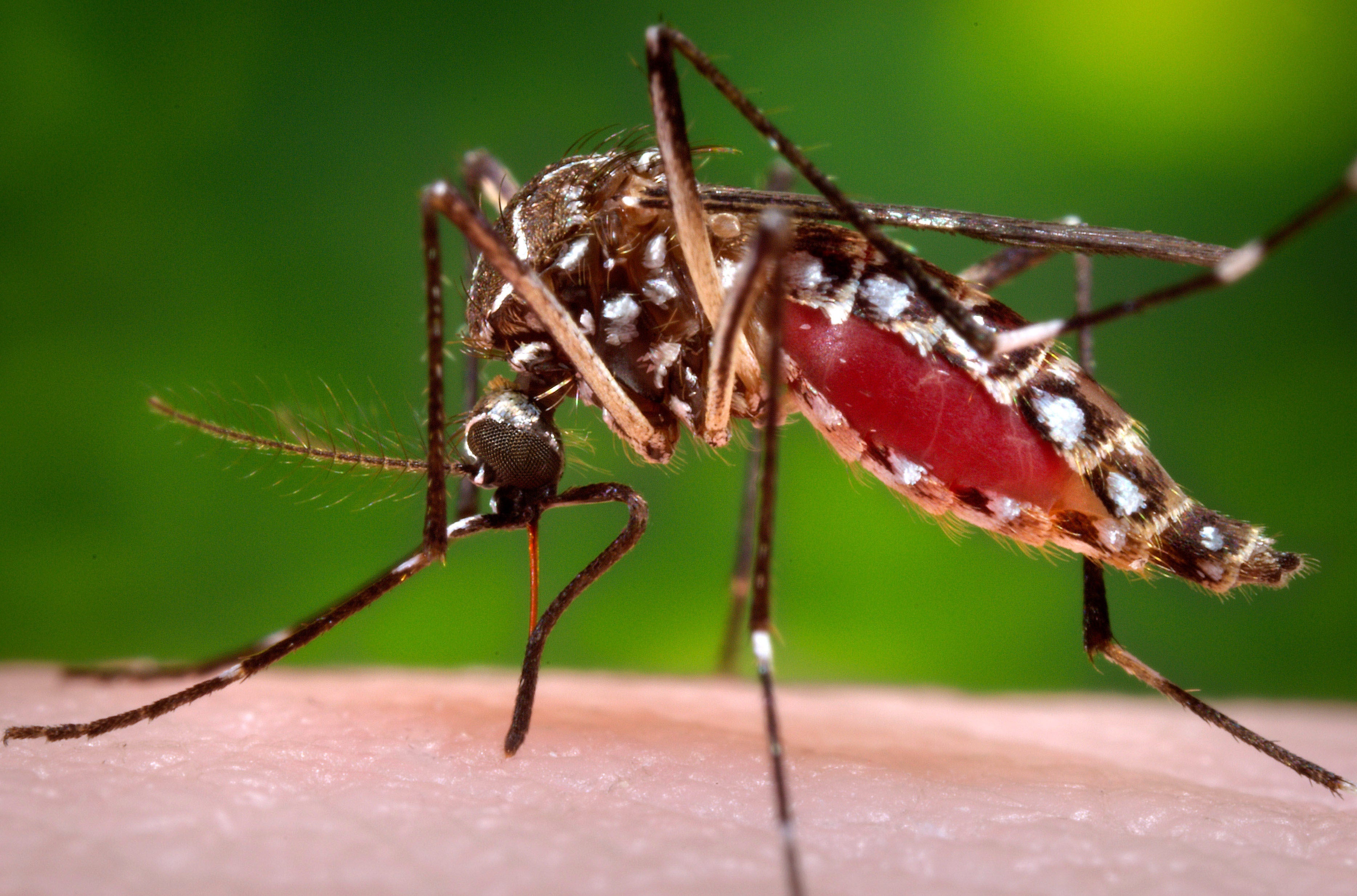
Dengue is a viral infection that is spread primarily through the bites of infected Aedes aegypti and Aedes albopictus mosquitoes, both of which are found in Florida. Some people have no symptoms, while others may develop a sudden fever, severe headache, pain behind the eyes, muscle and joint pain, nausea, or vomiting.
Most people recover, but dengue can sometimes become severe, causing bleeding, shock and death. Florida has reported one dengue-related death this year, involving an elderly Tampa woman who died on September 4.
Most dengue cases reported in the continental United States are linked to international travel. Local transmission has occurred in several states, including Florida, Texas, Hawaii, Arizona and California, according to the Centers for Disease Control and Prevention.
Florida regularly experiences travel-associated dengue fever due to the large number of international travelers. Public health experts say it’s still unclear why the record dengue outbreak has been centered around Tampa rather than its historic epicenter in South Florida, NBC Miami reports. Travel habits could play a role, while warmer temperatures and other climatic conditions may create more mosquito-friendly environments.
The CDC provided Florida with $800,000 in emergency funding and is monitoring the outbreak. The agency did not send disease investigators because state officials did not request it.
According to the CDC, people living in areas of local transmission should use EPA-registered insect repellent, wear loose-fitting clothing that covers their arms and legs, and eliminate standing water around their home.
The Florida outbreak comes as dengue fever continues to circulate at high levels around the world. More than 2.2 million infections and nearly 1,200 deaths have been reported worldwide this year, according to the World Health Organization. The actual number of infections could be higher because dengue can cause mild to no symptoms, meaning some people may never see a doctor or get tested.
Gn Health