The United States and China will reduce tariffs on $60 billion in goods. Here’s what’s eligible

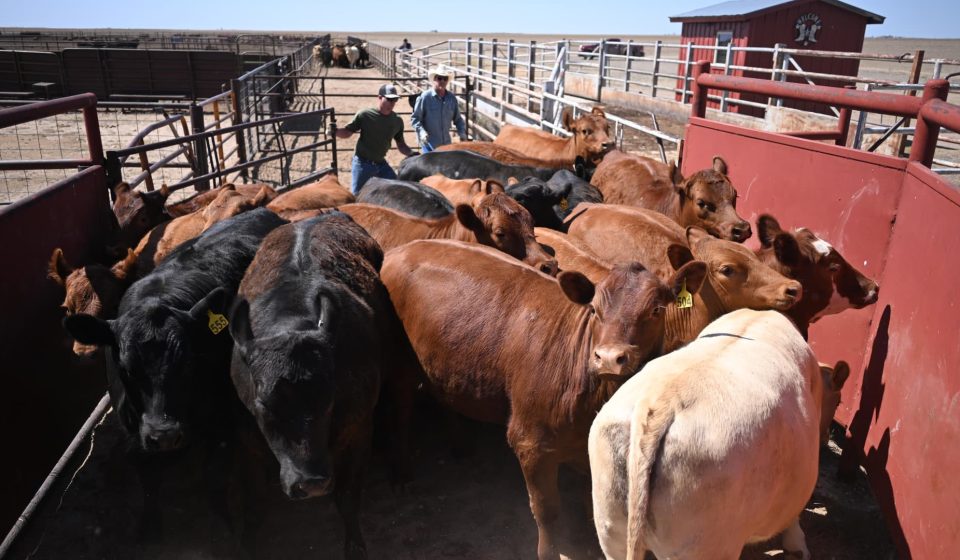
Rancher Curtis Schroder, 57, and his son Derek drive heifers to a transport truck on the Schroder family ranch in Walsh, Colorado, May 9, 2026.
Marc Makela | Getty Images News | Getty Images
BEIJING — The United States and China plan to cut tariffs on $30 billion worth of goods from each country, according to government announcements from both sides Monday.
The detailed lists primarily include U.S. imports of toys, sports equipment and Christmas decorations, while U.S. agricultural products made up a large portion of China’s much longer list of imports.
Washington has sought to reduce its record trade deficit with Beijing because the Asian country exports far more to the United States than it imports. The U.S. trade deficit with China was more than $202 billion last year.
“If we see that the tariff reductions are actually implemented before the holiday season, it could provide a welcome boost to U.S. consumption and retailers,” said Jacob Cooke, CEO of WPIC.
Cooke, whose company primarily helps U.S. brands sell in China, said Beijing’s list of imports includes fast-growing categories such as hair care and packaged pet food, where Chinese brands are highly competitive with U.S. offerings. “Every percentage point counts for price competitiveness and margin preservation.”
However, it was not immediately clear when the tariff cut would take effect, or by how much the duties would fall. Last year, the United States and China imposed import tariffs on each other of more than 40% and more than 30%, respectively.
Both countries have limited further tariff increases following a year-long truce last fall. Last week, US Treasury Secretary Scott Bessent said negotiators had agreed to extend the truce until January.
Monday’s announcement follows U.S. President Donald Trump’s summit with Chinese President Xi Jinping in Washington, DC, last week. Both sides said the much-anticipated U.S.-China “Trade Council” would be comprised of officials from both governments and would meet at least quarterly, with senior officials meeting “whenever necessary.”
Lower tariffs could significantly boost trade, especially for highly competitive Chinese companies. Housewares seller Ryan Zhao, director of Jiangsu Green Willow Textile, expects his second-half sales to increase 30% from last year if tariff reductions are implemented.
Here is a selected list of products that will benefit:
US imports of Chinese products (total items: 77)
Fireworks
Plates, cups, bowls, serving dishes
Tableware and kitchen utensils
Beads
Blankets (including electric) and rugs
Bed sheets
Table linen
Curtains
Garden umbrellas
Artificial flowers
Razors
Flashlights
Microwave ovens
Christmas tree lights and decorations
High chairs
Children play in the courtyards
Sleeping bags
Pillows
Toys (including tricycles, but excluding items connected to WiFi or Bluetooth)
Billiard balls, chalk and tables
playing cards
Games rackets, other than “turf tennis or badminton” rackets
Soccer balls, baseballs, soft balls, lawn tennis balls
Hooks and fishing line
Artist brushes
Vacuum flasks
Chinese imports of US goods (total items: 1,619)
Horses, donkeys, cattle, pigs, sheep, goats, breeding chickens
Other livestock
Bees
Frozen pork
Frozen lamb
Frozen, fresh or chilled whole chickens or turkeys
Frozen chicken feet
Rabbit meat, excluding rabbit heads
Dried, smoked or salted beef
Live freshwater ornamental fish
Fresh or chilled tuna
Frozen Atlantic salmon
Buttermilk
Roasted peanuts
Peanut butter
Tomato juice
Ice cream and other frozen products
Fresh apples
Whiskey
Soybean for seed
Flour and soy flour
—Matthew Tan of CNBC contributed to this report.
Gn usa