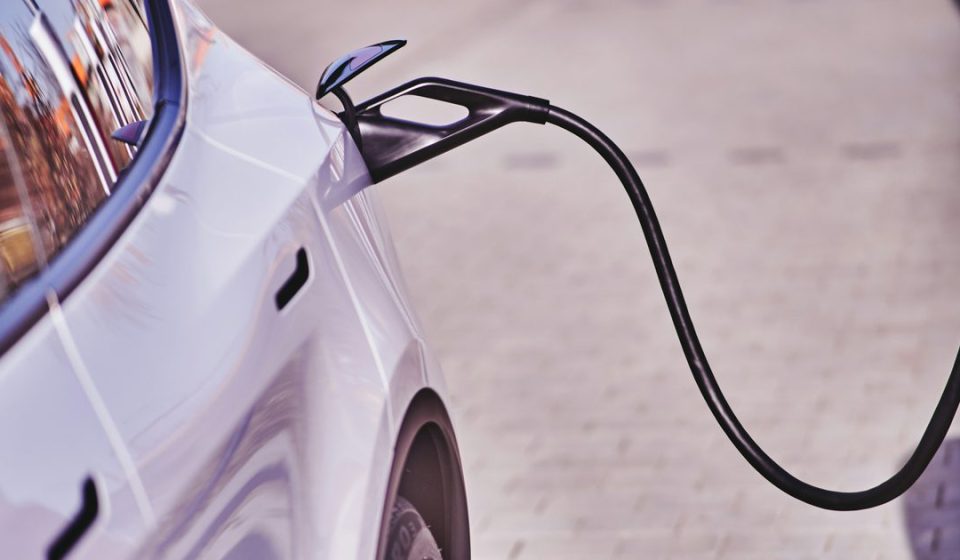

European drivers now have access to a rapidly expanding range of more affordable electric cars, protecting them from Europe’s costly oil dependence. T&E’s latest EV progress report shows CO from EU cars2 The targets are being met as electric car sales hit record levels in the first half of 2026. Sales of models with starting prices below €25,000 are expected to increase sevenfold in 2026 compared to 2024. T&E warns that weakening regulation would halt the rise of small, affordable electric vehicles and undermine the ability of European carmakers to compete in the global race for electric vehicles.
The report shows that regulations make it possible to offer and place affordable models on the market. Nearly 40 new electric models were launched in the first half of 2026, bringing the number of mainstream BEVs to more than 150. Around 60 new models are expected to be released by the end of 2026, almost 4 times more than the average of 15 new models per year over the 2021-2025 period. At the same time, consumers’ appetite for electric models starting at less than €25,000 is finally being satisfied with a doubling of the number of models available. Thus, sales of electric models starting at less than €25,000 should be multiplied by 7 in 2026 compared to 2024.
Lucien Mathieu, automotive director at T&E, said: “European drivers are finally seeing more of the smaller, more affordable electric cars they’ve been waiting for. The oil crisis has further fueled the rush by European consumers for small, affordable electric cars. VW ID card. Polo was quickly sold out, with over 40,000 orders and a 10 month waiting list. European automakers had long complained about the lack of demand. We now see it clearly: the problem was not the demand, but what they had to offer. Consumer appetite for small, affordable electric cars proves automakers’ claims to be false.”
The report shows that electric cars also offer lower running costs and protection against rapidly rising fuel prices. The oil price shock has cost road users in the EU €53 billion. In mid-September, refueling a 50-liter tank of diesel costs 30 euros more than before the war in Iran. Switching to an electric car at the start of the crisis would have saved around 350 euros in operating costs by mid-September.
The combination of a wave of new electric models and high energy prices sees electric car sales in the EU reaching record levels in 2026. A total of 1.64 million battery electric vehicles (BEVs) were sold between January and August, 45% more than in the same period last year. BEVs surpassed sales of pure gasoline cars in a full quarter for the first time in the second quarter of 2026, reaching a 22% share. All European car manufacturers should comply with the 2025-2027 targets, which are the driving force behind the new wave of electric car models. During the period of stable targets between 2021 and 2024, manufacturers had little incentive to introduce affordable models.
Lucien Mathieu declared: “The EU’s automotive goals are to expand consumer choice, reduce the cost of going electric and give European manufacturers a chance to compete in the global race for electric vehicles. Weakening the 2030 target now would stifle affordable models by almost three-quarters just as they hit the market and lock millions of people across Europe into a debilitating dependence on oil.»
Gn bussni