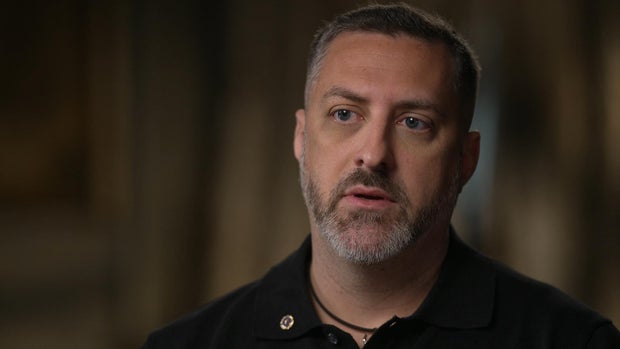
“They killed my wife”: the husband of a soldier killed in Kuwait accuses the command of being responsible for his death

The wife of Joey Amor, Staff Sgt. Nicole Amor was one of the first six Americans to die in the war against Iran. Their flag-draped caskets were greeted at Dover Air Force Base by the president and top military leaders in March.
“She was proud. She was steadfast. She was steadfast. She was dedicated,” Joey Amor said of his wife.
The six Americans were killed in the first 24 hours of fighting when an Iranian drone struck an army command post in Kuwait. It was Iran’s deadliest strike against the U.S. military and shattered any perception that U.S. troops were beyond the reach of an enemy skilled in a new type of warfare.
“There are soldiers who are enlisting now and who are going to leave,” Joey Amor told 60 Minutes. “And they need to trust that what happened to my wife won’t happen to them.”
Nicole Amor served in the Army Reserve’s 103rd Sustainment Command, a unit that her husband now says he “has nothing nice to say” about.
“I love those soldiers. And my wife loved those soldiers,” Joey Amor said. “But the command of the 103rd handled this situation so poorly. And if I’m being honest, it’s on them. They killed my wife. They killed those soldiers. And it’s not political. There are individuals in that command who made choices.”
60 minutes 
These choices by command were the subject of an eight-month investigation into the first American deaths of the war. The day after the attack, March 2, Defense Secretary Pete Hegseth insisted that the troops present were well protected.
“Every once in a while you might get one, unfortunately we call it a ‘squirter,’ that works its way in,” Hegseth said at the time. “And in this particular case, it turned out to be a fortified tactical operations center. But these are powerful weapons.”
The U.S. military had built a significant presence in the Middle East. But in the weeks before the Iran war, the Pentagon withdrew 90 percent of its ground forces from Kuwait and Iran, fearing retaliation. But some 70 members of the 103rd, which handles logistics, were sent closer to the threat, to the small Army outpost known as Port Shuaiba, about 65 miles from Iran.
“The protection that existed was intended to stop car bomb attacks and threats like that,” Maj. Stephen Ramsbottom, deputy chief of operations for the 103rd and a combat veteran, told “60 Minutes.” “There was nothing there to protect against an air attack.”
Ramsbottom said the threat of a drone attack was well known. It was forwarded to the unit commander, Brig. Gen. Clint Barnes and Ramsbottom said they notified Maj. Gen. John Hinson, the two-star general overseeing logistics for U.S. Central Command.
“I’ve brought it up twice in various meetings, basically saying, ‘Hey, I don’t see how we’re protected here,'” Ramsbottom told 60 Minutes. “He said, ‘We don’t have to worry about protection.'”
Ramsbottom said that was why he was speaking out about the incident.
“I think this is a tactical failure on the part of the military, our leadership and myself, right down to my level,” he said. “Yes, we didn’t plan this well. And this must be a lesson we must learn.”
60 Minutes spoke with six soldiers who said they consulted U.S. intelligence before the war began, which put Port Shuaiba on an Iranian target list.
Ramsbottom said they had requested a drone defense system, and the military’s top brass said they would try to send it to them.
“It never arrived in Shuaiba. And we don’t know if it was ever ordered or requested,” he said.
60 minutes 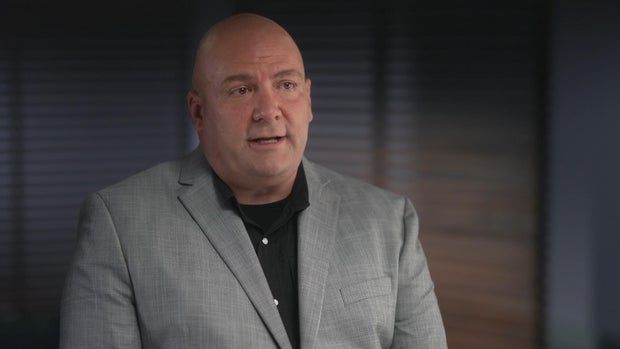
Last week, Ramsbottom filed whistleblower complaint to Congress, demanding an investigation into why there was no “dedicated protection against one-way attack drones.” He also claims that the site “had no doctor, no fixed aid station and only one ambulance”.
The week before his death, Joey Amor said his wife told him she was worried about the safety of his unit.
“That’s the only time in 15 years I’ve heard it like that,” Joey Amor said. “She knew something was going to happen. They all knew something was going to happen.”
At 9 a.m., the day after the first strikes against Iran, soldiers at Port Shuaiba received the all-clear and returned to their workspace. Half an hour later, the Iranian drone struck.
Nicole Amor was still breathing when soldiers loaded her into an SUV and drove her to a local Kuwaiti hospital, according to several soldiers who survived the attack.
“They were Googling hospitals to try to get some soldiers there,” Joey Amor said. “This is absurd.”
Does he think she would have a chance of surviving if a proper plan was put in place? “I think my wife had a chance, yes,” he said.
Breaking the news of soldier deaths
When American troops are killed in combat, it falls to their comrades to break the news.
Joey Amor tried to protect their 10-year-old daughter and 18-year-old son from the two soldiers walking down their driveway.
“My daughter didn’t understand,” he said. “And my son said, ‘I know.'”
Among the last to be informed was Tina Marzan, whose husband, Chief Warrant Officer Robert Marzan, was among those killed. She said they had to use DNA to identify her husband.
“I think the drone hit them directly. And I don’t know who knew that they were still in the building, in that metal shed that they were in,” Tina Marzan said. “And I know they found his hat next to him and that’s why they knew.”
Tina Marzan, whose husband served for 36 years, was visited by troops the night after her husband’s death.
“And immediately when you see them outside, you know,” she said. “I just didn’t want it to be real.”
Michelle Tietjens, whose husband, Sgt. 1st Class Noah Tietjens, also killed in the attack in Kuwait, had to break the news to her 13-year-old son.
“I collected a few items that my son would want,” she said. “One of them was his dad’s sweatshirt that he had left at home. A little army teddy bear, and I went back to where my son was, and I had to tell him that daddy wasn’t coming home.”
The investigation will be returned to the families this week
Gold Star families told 60 Minutes they received military honors and outreach efforts from the Trump administration, but didn’t feel like they heard the whole story about what happened and why.
60 minutes 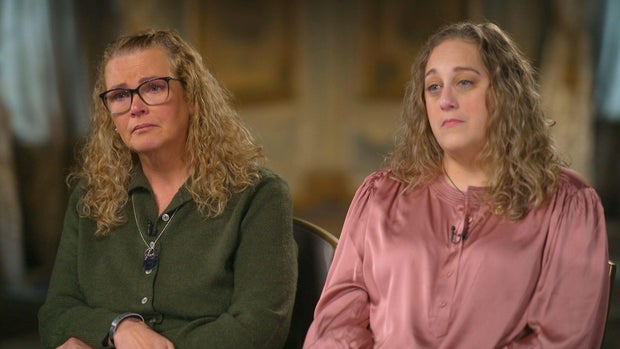
Tina Marzan summed up in one word what she heard from the Pentagon in the eight months since her husband’s death: “Nothing.” Michelle Tietjens was briefed yesterday by army officials. She said they did not admit to any mistakes.
The Pentagon declined to answer whether the 103rd was denied adequate force protection. 60 Minutes also contacted the two generals who allegedly ignored warnings about drone attacks. Hinson and Barnes did not respond to our request for comment.
The military completed its investigation into the attack in June. This week, families are finally informed of the results.
“You trust your leadership to put you in the best position possible,” Joey Amor said. “And my wife’s death, I already know, was avoidable. I will not accept that ‘this is the price of war’.”
Gn usa