
Dietary fiber has become one of the stars of a healthy diet. Along with proteins, they are increasingly favored for weight management, appetite control and digestive health. But the familiar rule of nutrition applies here too: Just because something is good for you doesn’t mean more is always better.
Fiber is made up of complex carbohydrates from plant foods that are not digested in the same way as other nutrients. Some reach the large intestine, where gut bacteria can ferment them and use them as a food source. Soluble fiber, found in foods like oats and legumes, absorbs water and forms a gel-like substance that can help lower cholesterol and slow the absorption of carbohydrates. It can also help moderate the rise in blood sugar after a meal.

(Photo: Shutterstock/Prostock-studio)
Fiber may also promote satiety by adding bulk to foods and slowing digestion, potentially helping people manage their calorie intake and weight. The fermentation of certain fibers produces short-chain fatty acids, which help provide energy to the cells lining the colon and participate in metabolic and immune processes. High-fiber diets have also been linked to lower risks of cardiovascular disease, type 2 diabetes, certain gastrointestinal cancers, and premature death.
How much fiber do you need?
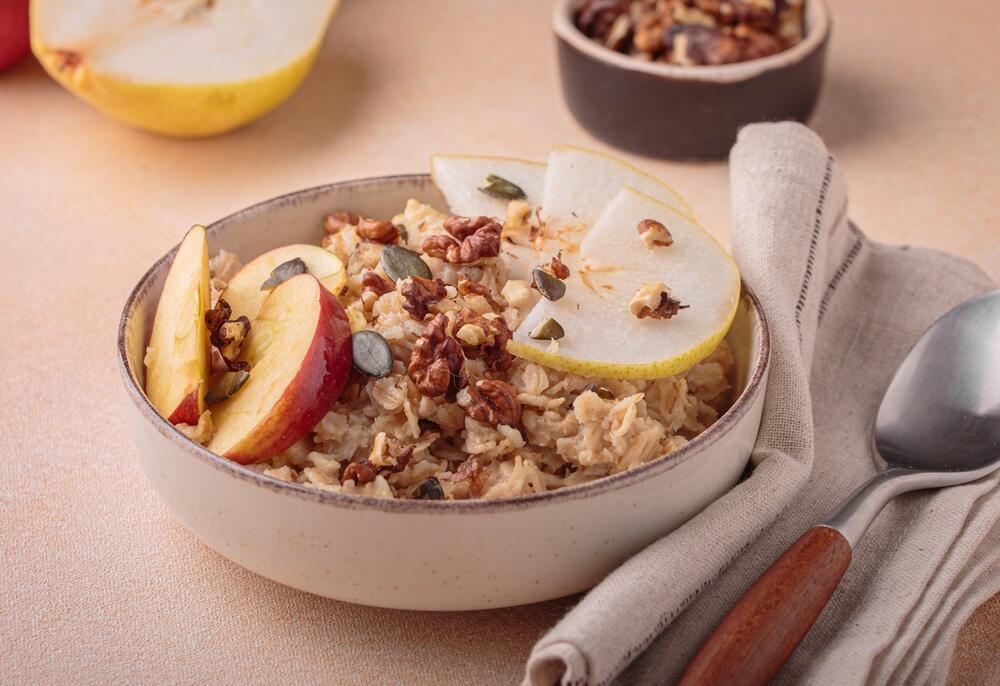
Common daily goals for adults are around 25 grams for women and 38 grams for men, although recommendations vary by age. The preferred way to achieve these levels is usually through whole foods rather than relying solely on supplements. Fruits and vegetables, ideally with the edible skin where applicable, legumes like lentils, chickpeas and beans, whole grains like oats and brown rice, whole wheat bread, nuts and seeds can all help.
(Photo: Shutterstock/Elena Eryomenko)
A day that includes oatmeal with chia seeds, an apple with skin, lentils and cooked vegetables, a handful of almonds or walnuts, whole wheat bread and a salad could provide about 30 grams of fiber, depending on portion size and the exact foods used.
When does fiber become a problem?
Fiber has also become a social media favorite, with TikTok and other platforms full of tips for increasing your intake to lose weight, reduce hunger or improve digestion. Problems can begin when people suddenly switch to a very high-fiber diet or add concentrated supplements without giving their digestive system time to adapt.
One of the most common consequences is increased fermentation in the gut, which can lead to gas, bloating, abdominal cramps and pain. Bowel habits may also change. In some cases, increasing fiber can even make constipation worse. Insoluble fiber such as wheat bran adds bulk to stools, and without enough fluids, this extra bulk can become harder to pass rather than easier.

(Photo: Shutterstock/PerfectWave)
People with intestinal stricture, significant adhesions after abdominal surgery, or serious disorders affecting the bowel movement should be especially careful. In these situations, large amounts of high-fiber foods may be inappropriate and increase the risk of blockage. Certain high-fiber foods and supplements may also affect mineral absorption, although the effect varies greatly depending on the type of fiber and the rest of the diet.
How to Increase Fiber Safely
The first rule is to go gradually. If your diet is currently low in fiber, don’t try to meet the daily goal overnight. Increase the amount gradually and give your digestive system time to adapt.
Fluids matter too. Because fiber interacts with and absorbs water, adequate hydration becomes especially important as fiber intake increases.
And not all types of fiber behave the same way. For people with constipation, soluble gelling fibers such as psyllium may be more helpful than simply loading up on wheat bran. Current gastroenterology guidelines support psyllium as one of the best-studied fiber supplements for chronic constipation, while bran may produce more bloating in some people.

(Photo: Shutterstock/fizkes)
There’s no need to rush to supplements either. Whole foods provide different types of fiber as well as vitamins, minerals and other nutrients that isolated fiber products may not contain. Supplements can be helpful in some cases, but they can also cause gas, bloating, and abdominal pain, especially when the dose is increased too quickly.
People with inflammatory bowel disease, previous abdominal surgery, intestinal adhesions, or a known narrowing of the digestive tract should consult a health care or nutrition professional before making a significant increase in their fiber intake.
The bottom line is simple: fiber is an important part of a healthy diet, but the goal is to get enough of it, not as much as possible. Choosing foods naturally rich in fiber, gradually increasing their intake and drinking enough fluids can help provide benefits without turning a healthy habit into a source of digestive discomfort.
The author is a clinical dietitian at Rambam Health Care Campus.
Gn Health