ATLANTA — The United States has lost its measles elimination status, a source told CNN, due to recent large outbreaks of the deadly disease while vaccination rates lag, particularly among children.
The number of cases has now broken a record for the second year in a row. So far in 2026, the country has recorded more cases than in any other year since the disease was declared eliminated in the United States a quarter-century ago. This is the worst year for measles cases since 1991.
The ongoing outbreak in Pennsylvania is the largest the United States has seen in more than three decades, and the state health department has reported seven measles-associated deaths in 2026. Two measles-associated deaths have also been reported in Wisconsin and one in New York. There were three deaths from measles in 2025 – the first reported in the United States since 2015.
A large outbreak in West Texas accounted for at least a third of all national cases in 2025, with several states reporting cases linked to Texas. State officials have declared the outbreak over, but other outbreaks continue to grow.
South Carolina also reported a high number of measles cases after an outbreak raged in Spartanburg County from October 2025 to April of this year. It is one of the largest the United States has seen in decades, with nearly 1,000 cases.
National data compiled by the CDC lags behind reports collected by state health agencies. Here is the latest national overview of states reporting cases in 2026.
Measles is a highly contagious airborne disease. This can lead to serious health consequences and even death, especially in unvaccinated young children. Most cases involve people under the age of 20.
General symptoms may include fever, cough, runny nose, watery eyes, and a rash of red spots. In the United States, about one in five unvaccinated people who contract measles will be hospitalized, according to the CDC.
About 1 in 20 children will develop pneumonia, and others may develop a dangerous swelling of the brain called encephalitis. Up to 3 in 1,000 children infected with measles may die from respiratory and neurological complications.
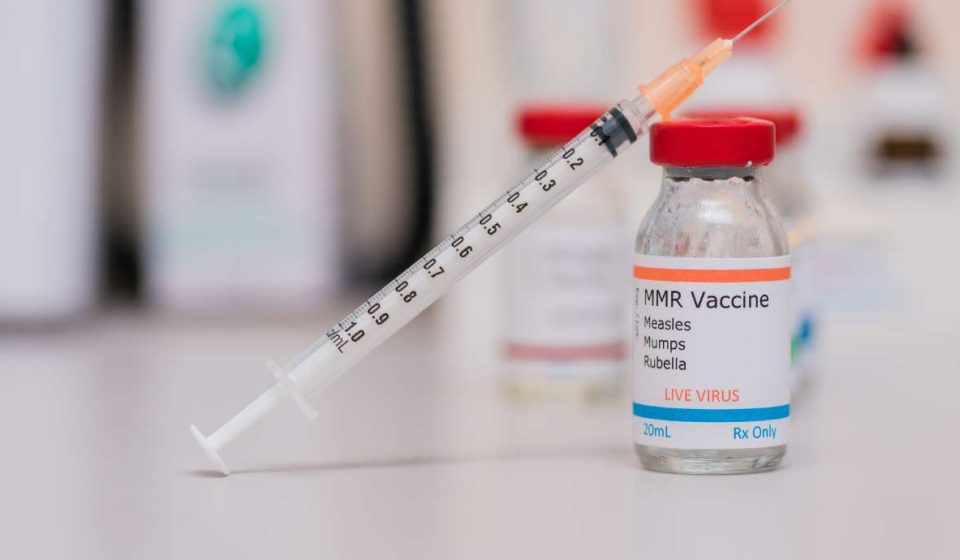
Measles is preventable with a highly effective vaccine. Experts recommend that children receive the measles-mumps-rubella vaccine, or MMR, in two doses: the first between 12 and 15 months of age and the second between 4 and 6 years of age. One dose is about 93% effective in preventing measles infection; two doses are about 97% effective.
The vast majority of measles cases in the United States involve unvaccinated people.
Measles was declared eliminated in the United States in 2000. Imported cases are expected, but when vaccination rates are high, the risk of spread remains low and epidemics are rare. Outbreaks in 2019, particularly two in underimmunized Orthodox Jewish communities in New York, also threatened measles’ elimination status in the United States.
As outbreaks continue this year, an independent commission of experts reporting to the head of the Pan American Health Organization has determined that the United States is no longer considered to have eliminated measles, a source familiar with the process told CNN on Friday.
Because measles is highly contagious, a high level of vaccination coverage is essential to minimize its spread. The United States has set a vaccination rate goal of 95%, but coverage among kindergartners has fallen below that figure in recent years.
Completion of the MMR vaccine series among kindergartners fell from 95.2% in the 2019-2020 school year to 92.4% in the 2025-2026 school year, leaving about 280,000 people at risk, according to the CDC.
Coverage varies widely by state.
The key takeaways from this article were generated with the help of large language models and reviewed by our editorial team. The article itself is solely written by humans.
Gn Health