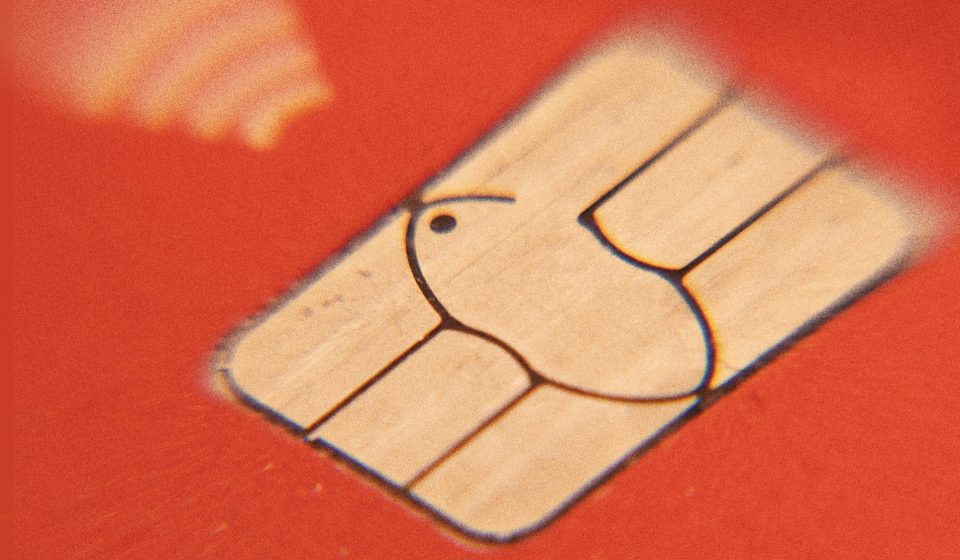

The Trump administration this week announced an overhaul of the nation’s food stamp payment system, aimed at modernizing benefit cards to protect families from electronic theft. The move comes a week after ProPublica published an investigation showing how $470 million in Supplemental Nutrition Assistance Program, or SNAP, benefits were stolen from recipients last year alone, largely because those cards are technologically outdated.
The ProPublica article highlighted the experiences of victims and examined the repeated failures of Congress and the U.S. Department of Agriculture to upgrade Electronic Benefits Transfer, or EBT, cards nationwide. The ProPublica reports were shared across the department, according to two USDA officials.
The proposed new rule, officially released Friday by the USDA’s Food and Nutrition Administration, has been in the works since 2023 — but it has been continually delayed until now. The reasons include understaffing at the USDA, particularly following budget cuts at the Department of Government Efficiency last year, and a delay in other regulations that the White House budget office had prioritized. White House and USDA officials did not immediately respond to a request for comment on the sudden change.
The rule will require all 50 states to move from EBT cards with just a magnetic strip on the back — which criminals can easily extract data from — to cards equipped with digital microchips, which credit and debit cards have had for more than a decade, and tap-to-pay technology. Other changes include the creation of new federal “SNAP EBT Operational Standards” that will be continually revised, so the federal government and states can better together track credit card industry best practices and evolving fraudster tactics.
A handful of states have already adopted smart cards themselves, including California, where theft of SNAP and other public benefits was reduced by 83% in two years after adopting the technology. But more than 40 states have not added chips, and hundreds of thousands of low-income Americans continue to show up at grocery store checkouts only to discover that their month’s food aid has been drained by thieves. NPR and other media outlets have also recently reported on this crisis.
Members of the public, including state SNAP administrators and grocery store owners who may have logistical questions about how to overhaul their EBT systems, now have 60 days to submit comments on the new USDA regulations; these will be reviewed by agency officials before the rule is officially promulgated. After that, states will have two years to move to smart cards, although their ability to meet that deadline will depend on several factors. For one thing, many are currently strapped for funds, largely because President Donald Trump’s One Big Beautiful Bill Act cut funding to states for administering their SNAP programs — dollars they could have used to upgrade their EBT systems and print and mail the new cards.
Several current and former FNA officials, as well as state program administrators, told ProPublica that they fear the agency will force costly changes on states, but that Congress so far has shown few signs that it will provide federal funding for the chip card transition. As ProPublica reported last week, the Senate version of this year’s Farm Bill includes funds for this purpose, but the House version does not; Democrats and Republicans remain at odds over overall SNAP spending, and it’s unclear what will happen. The total estimated cost of the changes at the federal and state level is $283 million, compared to the more than $600 million in SNAP and other benefits that are stolen each year from existing cards.
Still, requiring all states to implement EBT chip cards “is a big deal for low-income households,” said Justin King, a longtime safety net advocate who is now policy director at Propel, a company that helps SNAP recipients access their benefits information. He added that he was “legitimately surprised” by the administration’s decision.
“The flight networks don’t care about state lines. You’re just squeezing a balloon if you update one state at a time,” King said of the prospect of individual states continuing to gradually adopt chip cards without a federal requirement. “A national standard means there is nowhere left for criminals to go,” he said.
For now, at least, there are signs that the Trump administration’s position on this issue has changed more broadly. On Wednesday, while campaigning in Ohio to recruit Republican candidates, Vice President JD Vance (whose role includes serving as the administration’s “fraud czar”) called a press conference and made a point of emphasizing that low-income families are often the victims of SNAP fraud.
This is at odds with how Vance has described the problem in the past. “There are people who own Lamborghinis who are currently receiving SNAP benefits,” he once said in a typical comment. For ProPublica’s previous article, research reporter Gabriel Sandoval examined dozens of speeches, social media posts and news accounts of statements made by Vance and other Trump officials, and found that they consistently portrayed SNAP recipients as the perpetrators of fraud.
Vance also took a strikingly different tone this week toward the food stamp program itself. In his 2016 memoir “Hillbilly Elegy,” which catapulted him to fame, he wrote that SNAP recipients in Kentucky and Ohio “live off government largesse”; he said that people in this part of the country are largely “hardworking, except of course the many food stamp recipients who show little interest in honest work.”
But this week, from the stage in southern Ohio, he said, “Step back for a minute and realize that the (SNAP) program is one of the most important social service programs that we have in the United States of America.” He continued at length: Food stamps ensure that “all of our citizens, especially children, can have full bellies at the end of each night, and that regardless of their ability to pay for a meal, we do not let America’s children and families go hungry. This is one of the most important and sacred things our tax dollars go to.”
The White House and Vance’s press office did not immediately respond to a request for comment on his rhetorical about-face.
Vance then asked Attorney General Todd Blanche and other top officials to provide more details on several recent SNAP theft prosecutions. These included several ongoing EBT card skimming cases in Oregon in which criminal groups allegedly stole the SNAP account numbers and PINs of legitimate recipients, then used that data to purchase large quantities of products like energy drinks and infant formula, which the scammers resold for more than $3 million. This is exactly the type of case ProPublica reported last week.
“The simple reality is that it’s actually very difficult to go through a (grocery store checkout) line with kids,” Vance said. “Presenting this card, expecting to be able to take this food home to your family, to be able to cook it and provide a meal for your children, and to be told that because of a fraudster’s theft, you’re rejected. And there are hundreds of thousands of families across our country, across the state of Ohio, who have had that experience.”
Gn bussni