Trump gives Africa’s biggest economy five demands to repair ties with US, but Ramaphosa refuses to bow as he prepares South Africa for trade fallout

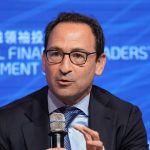
In an official editorial, U.S. Ambassador to South Africa L. Brent Bozell III detailed five key expectations expressed by President Donald Trump’s administration.
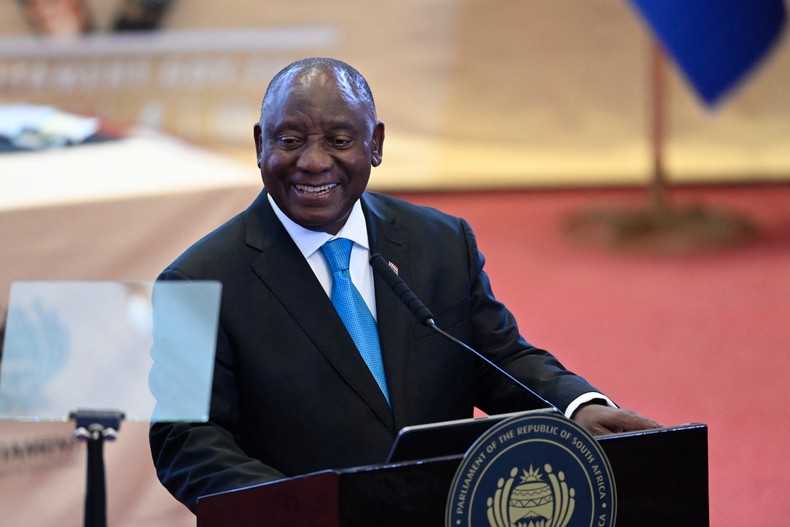
Meanwhile, South African President Cyril Ramaphosa is preparing his country for possible trade disruptions, refusing to change fundamental domestic policies despite threats to key export industries.
US presents five demands to rebuild diplomatic relations with South Africa
Diplomatic frictions intensified after Washington presented five diplomatic requests to South Africa in November 2025, aimed at addressing land reform policies, agricultural security, rules on foreign investment and geopolitical alignments.
According to Ambassador Bozell, the first two demands were aimed at ensuring non-interference in the treatment of Afrikaner refugees and preventing seizures of property without compensation under the Expropriation Act 2024.
While U.S. officials consider these initial points largely resolved or subject to judicial review, several months of silence on the remaining three points have led to increased frustration in Washington.
The last three conditions required explicit action by South African leaders on security and business regulation.
As released by the U.S. Embassy and Consulates in South Africa, the Ambassador outlined the third, fourth and fifth requirements of the United States.
“Third: President Ramaphosa and other senior government officials condemn the chants of ‘Kill the Farmer!’ – when the president does not want to condemn him?
“Fourth: that rural crime be officially designated as a priority crime, with a real plan announced to deal with it. We suggested that there were already several plans available, including one designed by the government itself. We said that this plan should be fully funded. The United States even offered technical and financial support, if that would help.”
“Fifth – create alternatives, such as Equity Equivalent Investment Programs (EEIPs) to Broad-Based Black Economic Empowerment (BBBEE) ownership requirements. The South African government now allows all business sectors to participate in the EEIP but refuses to provide this to the telecommunications or mining industries, where it desperately needs foreign investment. Allow them to participate as well.
Following what Washington considered an insufficient response from Ramaphosa, the US State Department announced targeted visa restrictions against South African officials complicit in racial discrimination or land confiscation.
South Africa prepares for economic consequences if US reduces trade access
In response to growing diplomatic pressure, President Ramaphosa has urged South Africans to prepare for the potential loss of duty-free trading privileges under the African Growth and Opportunity Act (AGOA).
Although the US Congress voted to extend South Africa’s eligibility until 2028, final implementation remains subject to President Trump’s approval.
Addressing the public at a press briefing, President Ramaphosa said: “Congress has decided that we have to stay in AGOA. What’s left now is the executive branch,” adding, “And besides, to prepare our people for this, if we ever have a choice, we are not the first and only country to be removed from AGOA. And I believe we will not be the last.”.

Losing duty-free access to US markets could seriously harm South Africa’s manufacturing sector, particularly automotive exports, which represent the country’s second largest source of revenue in trade with the US.
Although he describes the potential loss of market access as “devastating,” President Ramaphosa has emphasized national resilience while seeking other trading partners.
Ramaphosa said: “I have to, as president, prepare ourselves if that ever happens. So we shouldn’t go out and jump off buildings thinking it’s the end of the world.”.
Gn usa